Outbound sales agencies in Chicago are mostly SDR staffing operations and call centres. Six of the seven local names sell people on the phone rather than systems or strategy.
One breaks that pattern entirely by running outreach through a podcast, which is the only example across this whole series. Central Time is the quiet structural advantage the whole city shares.
I judged these nine on what they genuinely deliver, data discipline, and reporting honesty. Two are certified Forge Experts and hold the top slots.
For the wider picture, I also have breakdowns of agencies in the United States and agencies in New York.

SalesCaptain is an outbound marketing and go-to-market agency built specifically for B2B companies that want to reach buyers at the right moment. Their innovation lies in using data to trigger outreach when real buyer signals appear, not from static lists.
Their system runs three simultaneous layers: AI-insight campaigns that target accounts not yet problem or solution aware; intent-signal campaigns that engage prospects already showing demand signals like hiring activity or funding rounds; and inbound reactivation campaigns that convert accounts already familiar with your brand but not yet sold.
What separates SalesCaptain from other outbound sales agencies is how they align messaging, timing, and offer to where each prospect sits in their buying journey. They also build market-specific offers that differentiate you from competitors, then run outbound like performance marketing: test fast, scale what works, cut what doesn't.
The result is consistent pipeline generation regardless of TAM size or market saturation. SalesCaptain performs best in environments where innovation matters, which is why B2B SaaS companies are typically the strongest fit.
Account-based strategy and outbound execution arrive as one purchase here rather than two separate briefs. Managed SDRs run playbook-driven appointment setting against named accounts. Channel-optimised outreach matches the medium to the account rather than the campaign.
Tightly aligned marketing and SDR activity is the specific fit they describe. High-value decision makers are the target rather than a broad title list. Revenue rather than raw lead volume is what those playbooks are aimed at.
Remote delivery from Prague puts rates well below Chicago equivalents, which is the practical reason to look. Time-zone coverage is the corresponding question, so ask which hours the reps actually work.
CRM and data enrichment sit underneath the whole programme. That plumbing is what keeps campaigns working past the first quarter.

Chicago-headquartered and built around full pipeline operations, Hugo go further than appointment setting alone. List building and intent data feed cold outreach across phone, email and LinkedIn. Acting as an extension of your sales team is the stated arrangement.
Qualified leads and booked discovery calls reach your closers rather than a shared queue. Integration with your existing systems gets named explicitly. Pipeline operations means they stay involved well past the first booked meeting.
Naming intent data puts them ahead of most agencies on this list. Ask which specific signals they monitor rather than accepting the phrase at face value.
Targeting on B2B intent data rather than a purchased list is the difference between timing and guessing.
Temporary and managed SDR staffing is the distinguishing offer, which few agencies here provide. TelePro run managed inside-sales and outbound campaigns from Chicago offices. Appointment setting and B2B cold calling sit alongside the staffing.
List scrubbing appears as a named service rather than an assumption. On-demand reps suit companies whose demand is seasonal or project-based. Multi-channel outreach here combines phone calls with email rather than social.
Temporary staffing is genuinely useful when a quarter needs covering. It also means less product knowledge than a permanent team gradually accumulates.
Before renting reps, weigh the AI SDR vs SDR economics against how long you actually need the capacity.
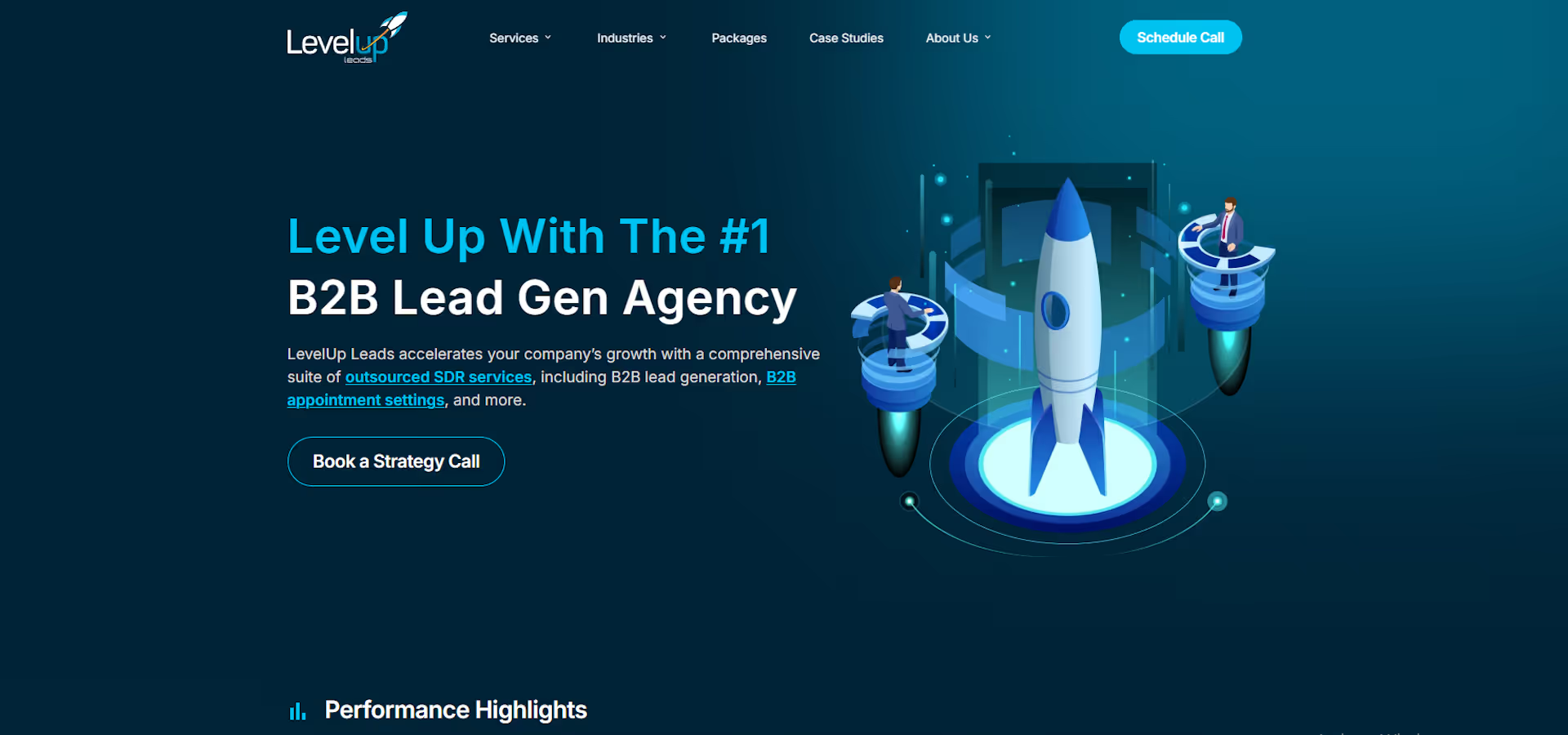
Measurable outbound metrics are what LevelUp lead with rather than a service list. Fractional SDRs and full-service programmes both sit on the menu. Cold calling teams, email outreach and LinkedIn prospecting drive the delivery.
Qualifying prospects properly comes before securing meetings with decision makers. Reporting against defined metrics is treated as part of the product. Your sales team receives numbers rather than narrative descriptions of activity.
Fractional means buying part of a team, which fits a real but not yet full-time gap. Ask what their minimum viable engagement actually looks like before committing.
For phone-versus-inbox decisions, my breakdown of cold email vs cold call covers where each channel earns its place.
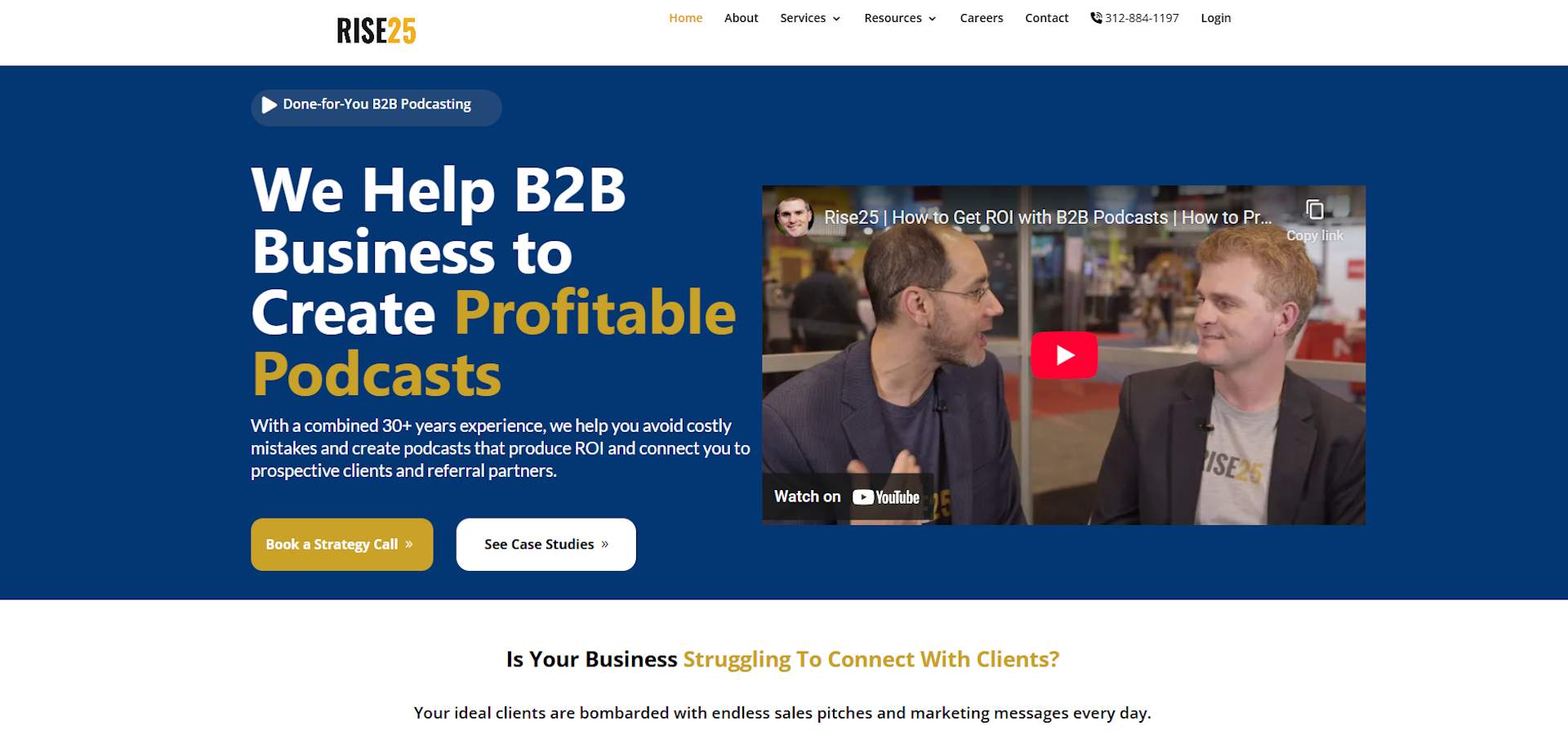
Using a podcast as the outreach vehicle makes Rise25 the genuine outlier across this entire series. Warm outbound introductions come from content-driven relationship programmes. Podcast-based account-based marketing is the specific mechanism.
Outreach sequences and disciplined follow-up support the content rather than replacing it. Higher-quality conversations rather than higher volume is the stated aim. Reaching decision makers personally is precisely what the format buys you.
Inviting a prospect onto a podcast is a genuinely different ask from booking a demo. It works slowly and it will never scale the way a sequence does.
Deciding whether that belongs in your mix matters. My breakdown of GTM channels covers how unconventional channels trade off.
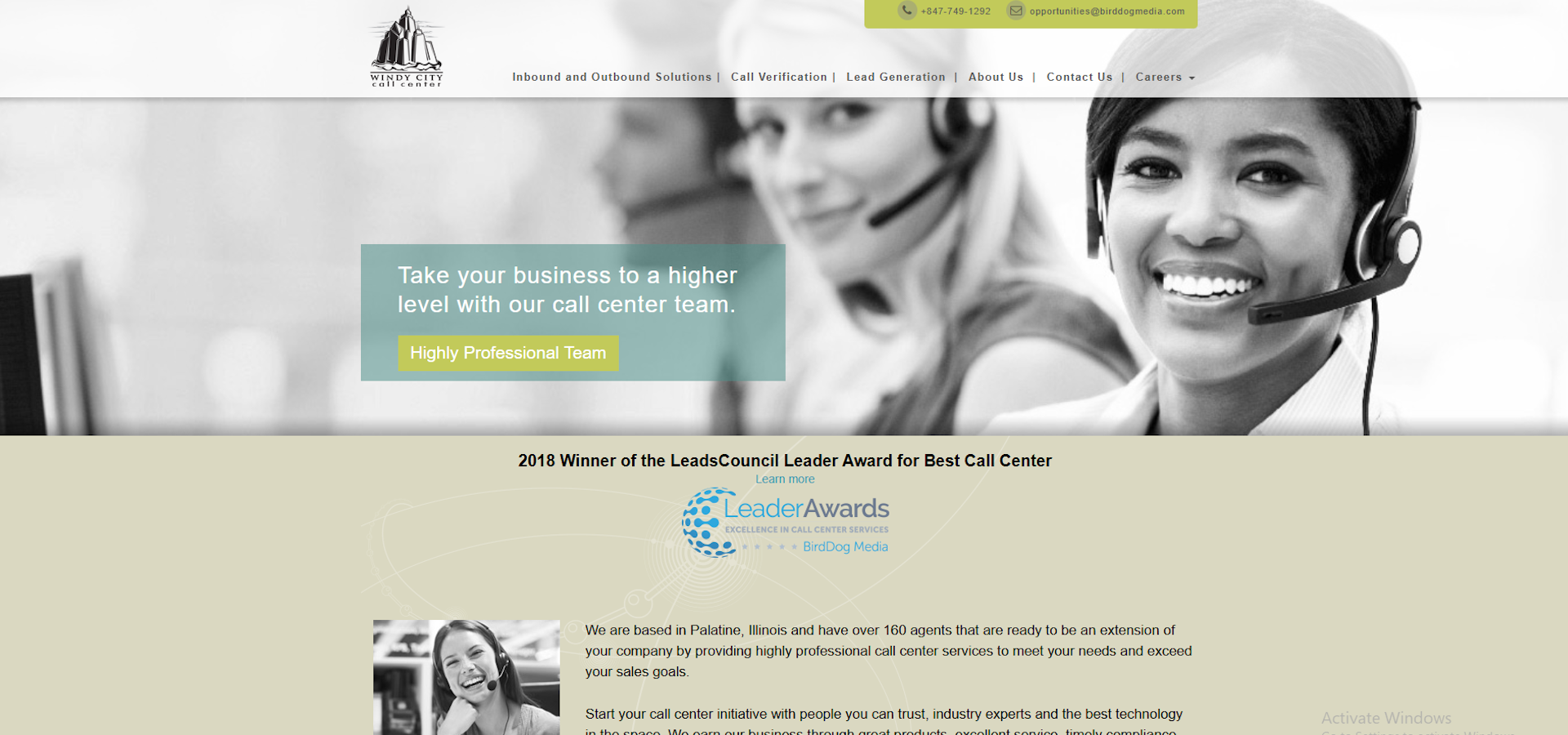
High-volume outbound calling is stated plainly, and the local name leaves no doubt about the base. B2B outbound calling, lead generation and appointment setting form the offer. Scripted qualification keeps the conversations consistent.
Handoffs to your internal sales team happen once prospects genuinely qualify. Predictable outbound activity at scale is what you are buying. Phone-first is the assumption throughout rather than one channel among several others.
Volume and scripting suit simple propositions that need explaining once. They suit complex enterprise products with long cycles considerably less well.
Volume without relevance produces the common cold outreach mistakes that damage a brand faster than they build pipeline.
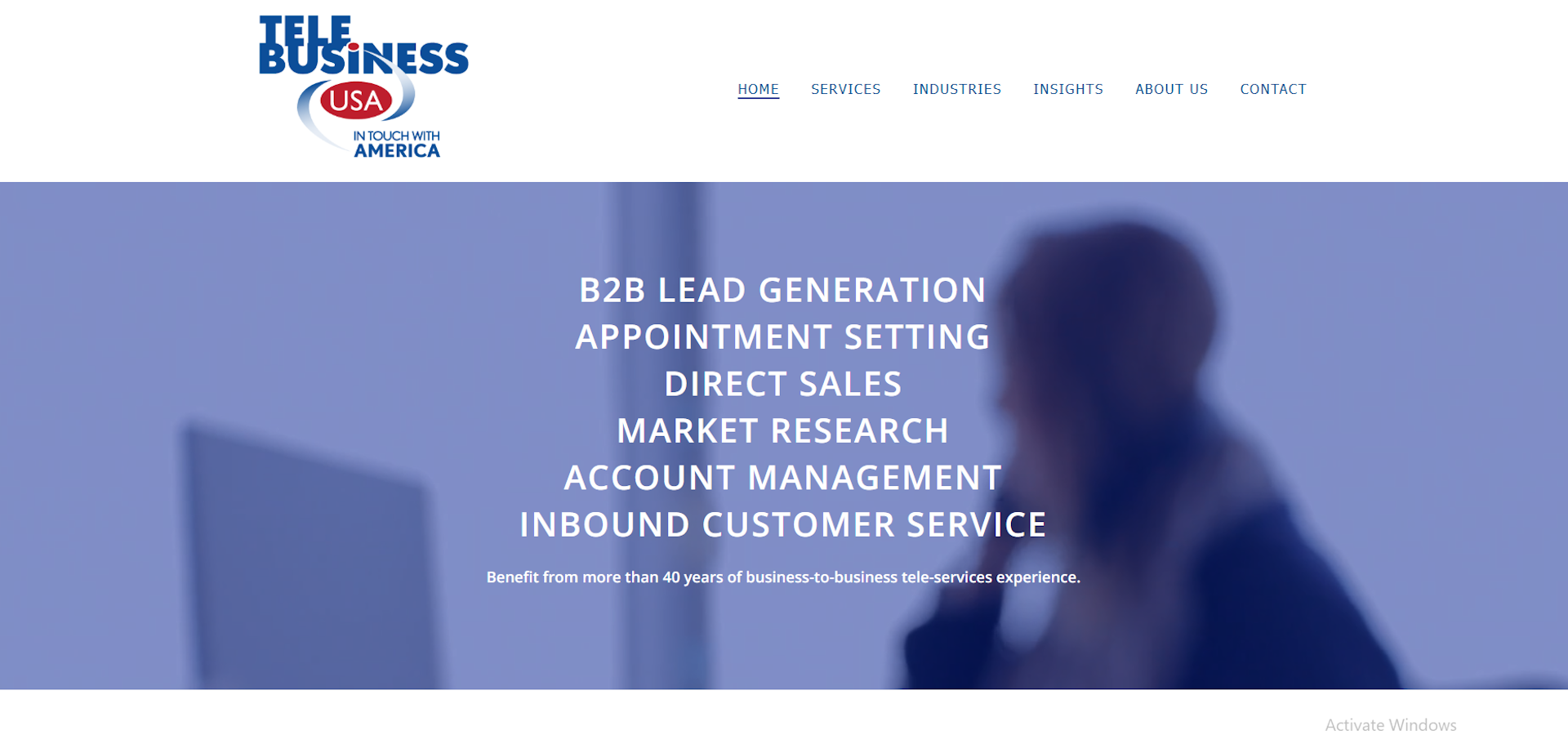
Multi-step outbound processes rather than single-touch calling is what Tele Business USA describe. Initial contact happens by phone or email, followed by structured follow-ups. Appointment scheduling closes the sequence.
List management sits alongside the appointment setting and lead generation work. Reducing time to first meeting is the specific outcome they name. Operating from the Chicago suburbs rather than the Loop keeps their costs lower.
Multi-step sequencing is where most calling programmes quietly fail. One attempt followed by a voicemail does not constitute a campaign.
My roundup of multichannel outreach tools covers running the same follow-up discipline with your own team.
Remote sales support paired with CRM operations is the combination worth noticing here. Outsourced SDRs handle cold calling, email outreach and lead qualification. CRM operations keep the records usable afterwards.
Your sales team stays on closing while the agency runs the prospecting. Discovery calls get scheduled rather than raw leads simply handed over. Fractional and fully outsourced SDR options both exist here.
CRM operations alongside calling is rarer than it should be. Dirty records are why plenty of outsourced programmes look worse than they actually performed.
If you are comparing models, my AI SDR vs agency breakdown covers where outsourced teams beat software.
Most agencies here sell you callers. Only two mention the data layer that decides whether those calls land at a useful moment.
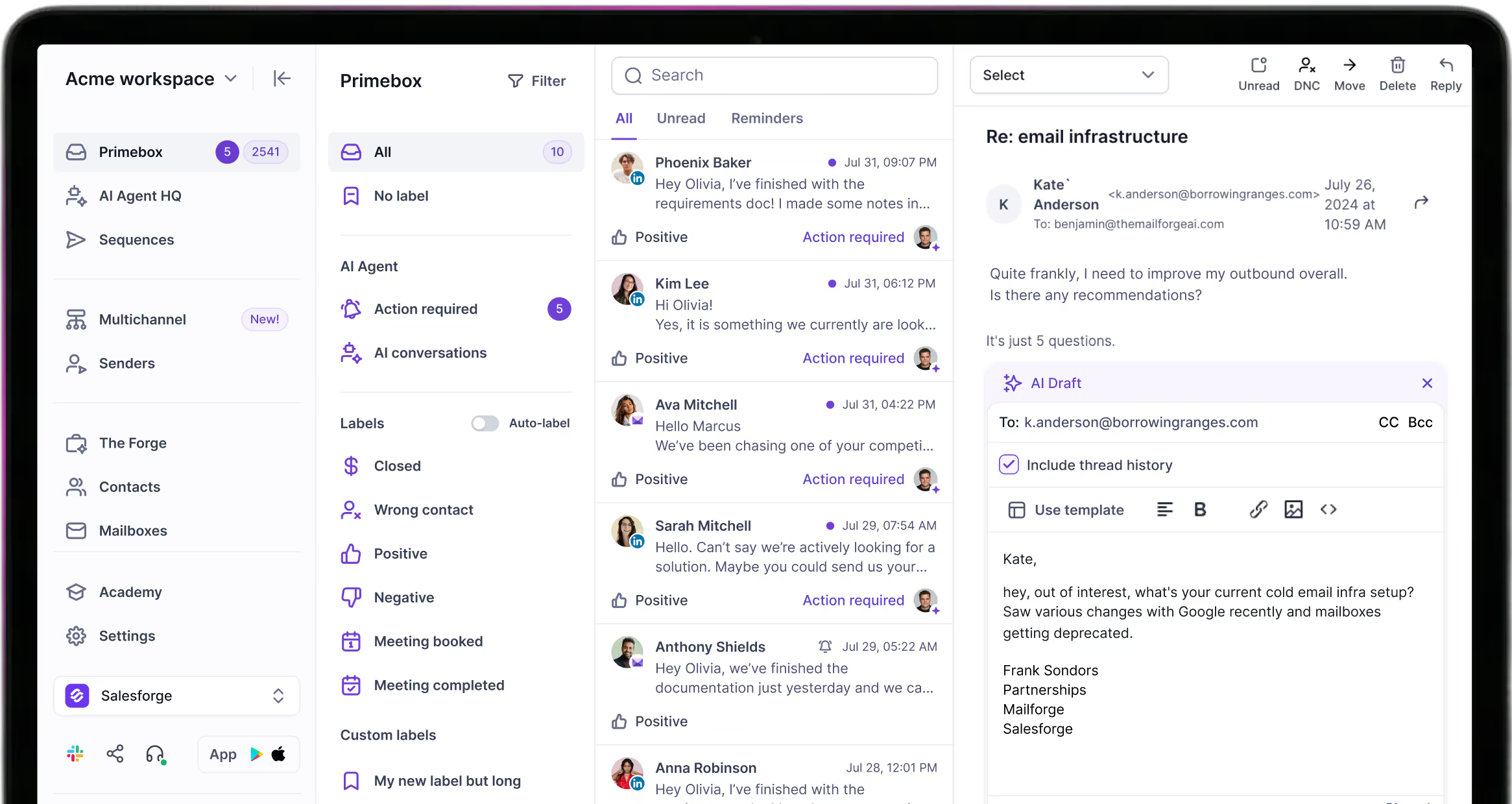
The Forge stack covers the same ground these agencies cover, for a fraction of one monthly retainer.
Building intent-based lead lists before running outbound sequences with Salesforge.
All the agencies on this list can run effective outbound sales on your behalf. But if your goal is to own the process, control the data, and scale without growing headcount, Salesforge gives you the infrastructure to do it. Try the 14-day free trial - no credit card required.
Or if you're still weighing agencies, browse the certified Forge experts for vetted partners.
| Agency | Location | Best For | Key Focus |
|---|---|---|---|
| SalesCaptain ✓ Forge Certified | London & US | Intent-Triggered B2B Outbound | Intent Signals, GTM Strategy |
| Growth Alliance ✓ Forge Certified | Prague & remote | Account-Based Execution | Account-Based, Managed SDRs |
| Hugo | Chicago, Illinois | Intent-Led Pipeline Operations | Outsourced SDRs, Intent Data |
| TelePro Group | Chicago, Illinois | On-Demand SDR Staffing | Managed SDR Staffing, List Scrubbing |
| LevelUp Leads | Chicago & US | Measurable SDR Metrics | Fractional SDRs, Cold Calling |
| Rise25 | Chicago area, Illinois | Podcast-Led Warm Introductions | Podcast ABM, Content-Driven |
| Windy City Call Center | Chicago area, Illinois | High-Volume Scripted Calling | Call Centre, Scripted Qualification |
| Tele Business USA | Chicago suburbs, Illinois | Multi-Step Call Sequences | Call Centre, List Management |
| Scale Virtually | Chicago area, Illinois | Remote SDRs Plus CRM Ops | Outsourced SDRs, Remote Support |
Rather put an AI SDR on the team?
Hire Agent Frank →He prospects, writes and books meetings around the clock.
Chicago gives you strong calling capacity at rates the coasts cannot match. The variable worth checking is whether anyone is timing those calls.
SalesCaptain and Growth Alliance are the two certified Forge Experts and the strongest starting points. For intent-led work go to Hugo, for temporary cover TelePro Group, and for something genuinely different Rise25.
If the retainer maths does not work, run outbound yourself. Two weeks of warmup and a fortnight of sending tells you most of it.
Fourteen days, and you will know.
Start your free trial →