I run Salesforge and most of my own cold outreach goes out through email and LinkedIn. WhatsApp is the channel I bring in once someone has already shown some interest.
In this post I explain what WhatsApp cold outreach is and how to run it without getting your numbers blocked. Some of the best lessons here came from a conversation with the founder of ISKRA about what broke when he first scaled WhatsApp outreach.
WhatsApp cold outreach means sending the first message to a prospect on WhatsApp before they have ever contacted you. It is the same idea as cold email with a very different inbox on the other end.
Businesses usually send these messages through the WhatsApp Business Platform. Any message that starts a conversation has to use a pre-approved template and Meta bills for each one that gets delivered.
The inbox is what makes the channel different. People read WhatsApp on their phone next to messages from friends and family, so a business message stands out and gets judged very quickly.
It can work very well. WhatsApp reply rates tend to run higher than email because buyers still get very few cold messages there.
That advantage comes from something called stimulus fatigue. The more often people see a certain kind of message, the less attention they give it.
The novelty will fade as more senders find the channel. The cost per lead also tends to run higher than email, so a better reply rate does not always mean a cheaper meeting.
The offer still matters more than the channel. If an offer already books meetings on email it will probably work on WhatsApp, and if it fails on email a new channel will not rescue it.
That is why I prove every offer with my email sequence software before I spend money on a pricier channel.
The harder question is whether you can keep WhatsApp outreach running for months. That is where the ISKRA story comes in.
I recently spoke with the founder of ISKRA, a WhatsApp outreach agency based in Dubai. He shared his story openly and I have passed on the most useful parts in the next few sections.
ISKRA did not start as a messaging company. It grew out of a content agency that wanted a cheaper way to win clients than paid ads.
The idea made sense to me. Buyers already spend their day inside WhatsApp, so outreach there should not read like an email.
The first setup was a personal phone and the number was blocked soon after. The next attempt moved to the WhatsApp API before the team understood how the channel behaved and that number got blocked too.
Keeping sending accounts alive once real volume starts turned out to be the hardest part.
WhatsApp is quick to punish anything that feels like spam. People can block or report a business with one tap and Meta limits how much an account can send when its quality drops.
After those first blocks the team tried to solve the problem with hardware. They bought SIM cards in bulk and ran racks of phones to spread the sending across many numbers.
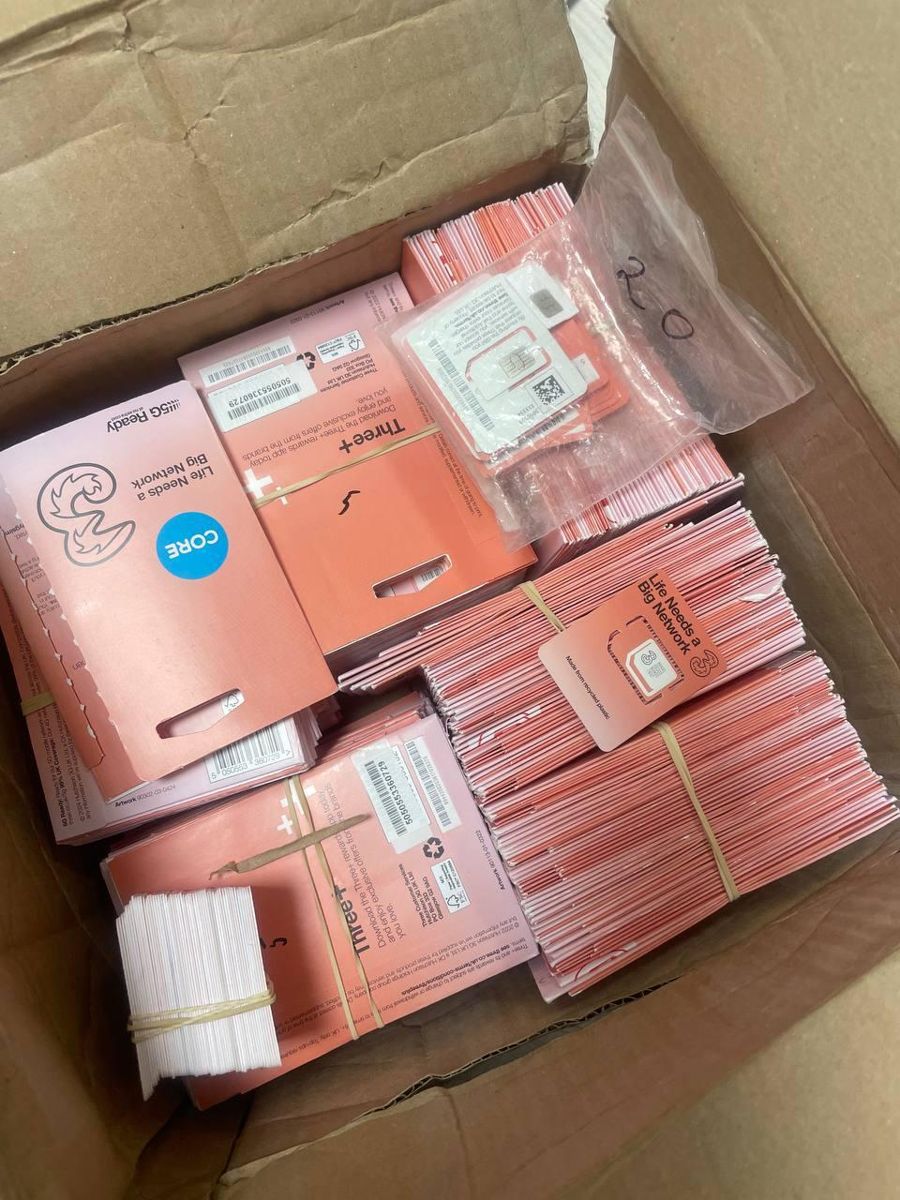
That phase ran like a small logistics operation. Phones needed charging and resetting and replacing, and banned accounts had to be rebuilt from scratch.
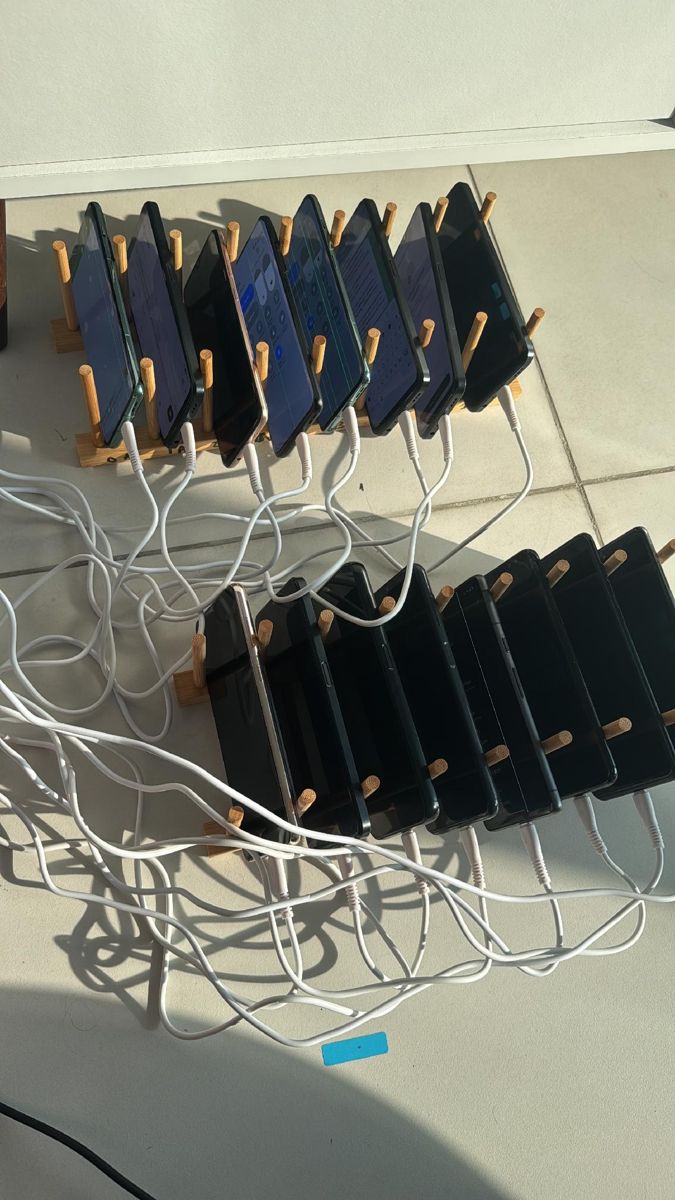
The phrase that stuck with me from our conversation was "scaling maintenance instead of scaling the channel." Every new number added another device to look after and another account that could break.
ISKRA eventually dropped the hardware and rebuilt everything on official infrastructure. Some of the internal mechanics stayed private, which I completely understand.
Between those lessons and what I have seen in my own outbound, these are the rules I would follow.
Rule 1: Send only through official infrastructure : Use the WhatsApp Business Platform through a dedicated tool or provider. Personal numbers and browser extensions get blocked once real volume starts and you lose every conversation on that number.
Rule 2: Add volume slowly : A new number that suddenly sends hundreds of cold messages looks like spam. Increase sending gradually and watch how people respond before you add more.
Rule 3: Message people who already know you : I only send WhatsApp messages to prospects who engaged on email or LinkedIn first. A warmer audience reports far fewer messages and keeps the number healthy.
Rule 4: Keep every message short and personal : One screen of text with a clear reason for reaching out works far better than a pitch. Anything that reads like a broadcast gets ignored or reported.
Rule 5: Plan the replies before you send : Decide who answers and qualifies replies before the first message goes out. A slow answer on WhatsApp wastes an expensive lead.
Rule 6: Watch account quality every week : Blocks and reports cap how much a number can send. Pause and fix the copy or the targeting as soon as quality starts to drop.
These are the failures ISKRA went through and what replaced each one.
The common thread is durability. Sustainable WhatsApp cold outreach means a system you can run for months without rebuilding it every week.
The first lesson from ISKRA is to stop treating WhatsApp like a blast channel. It is a conversation channel with very fast feedback, and people notice straight away when a message feels automated.
These are the habits that separate campaigns that last from the ones that burn out. Next to each one I added how I handle it in my own pipeline.
The last lesson is about trust. You can buy or interrupt attention on WhatsApp but trust only builds through relevance and restraint over time.
In my own outbound WhatsApp is never the first touch. I think of outbound as a set of stages and each channel has a job to do at a particular stage.
Cold email gives me reach across thousands of accounts for very little money per touch. LinkedIn puts a face next to that email so the prospect has seen my name before they decide whether to answer.
WhatsApp sits much closer to the actual conversation. When someone has opened a few emails or accepted my connection request, a short WhatsApp message is often the easiest thing for them to answer from their phone.
What the prospect does decides which channel comes next. I use the same logic for all of my multichannel outreach.
Meta charges for every delivered template message and the price depends on the message category and the country of the person receiving it. If you work with a provider they add their own fee on top of that.
Meta moved to this per-message model on July 1, 2025. Another pricing update takes effect on October 1, 2026.
I would check the live rate card for your target countries before you plan a budget.
A first message to someone who has never heard of me is rarely worth the price of a WhatsApp send. A prospect on a $20k deal who has opened three of my emails is a very different case.
A common shortcut is to pull numbers from Google Business Profiles. Many of those are landlines or front desk numbers, so only some of them are active on WhatsApp.
A scrape like that gives you the company number when what you really want is the mobile of the person who makes the decision.
I use Leadsforge for this. It searches more than 500M contacts and returns mobile numbers along with verified emails and LinkedIn profiles.
Its waterfall enrichment checks several data providers one after another until one of them finds a match. That gives me a much better hit rate on mobile numbers than any single database I have used.
I only look up mobile numbers for people who have already engaged on email or LinkedIn. It keeps my data costs down and it means the WhatsApp message reaches someone who already knows my name.
WhatsApp was built for conversations that both sides agreed to have. Meta asks businesses to collect opt-in before they send template messages.
If you sell into Europe you also need to think about GDPR. I would talk to your provider and a lawyer about your lawful basis before messaging anyone who has not opted in.
Salesforge does not send WhatsApp messages. I run email and LinkedIn inside Salesforge and handle WhatsApp in a separate tool for the prospects who earn it.
This is the order I would build it in.
Step 1: Prove the offer on email. I set up mailboxes in Mailforge or Primeforge and warm them with Warmforge for at least 14 days. Then I launch the campaign in Salesforge and wait until the offer is booking meetings.
Step 2: Add LinkedIn to the same sequence. Salesforge runs email and LinkedIn steps together with conditional branching.
Step 3: Decide who earns a WhatsApp message. I pick a few clear triggers such as an accepted connection request or several opens from a high-value account. Positive replies and missed meetings count as triggers too.
Step 4: Find their mobile numbers. I pull mobile numbers from Leadsforge only for the prospects who hit one of those triggers.
Step 5: Send from official infrastructure. I use a dedicated WhatsApp tool or a managed provider that sends through official infrastructure. Each message refers back to the email or LinkedIn message the prospect already saw.
Step 6: Keep every reply in one pipeline. Email and LinkedIn replies land in Primebox inside Salesforge. I log WhatsApp replies against the same contact in our CRM so nobody gets forgotten in a separate app.
WhatsApp takes the slot that SMS holds in my framework for cross-channel email and SMS sequences. Each message costs more and people tend to answer it faster.
If you want less manual work on the email and LinkedIn side, Agent Frank can run those two channels as your AI SDR. That leaves you more time for the WhatsApp conversations that need a real person on the other end.
WhatsApp pays off when your buyers already use it for work. It tends to perform well in Europe and in markets where WhatsApp is the default business chat app.
Pay close attention to the last row. People expect a fast answer on WhatsApp, and a slow reply wastes one of the most expensive leads you will get.
Sustainable WhatsApp cold outreach comes down to patience. The setups that last run on official infrastructure and pace their sending and treat every message as the start of a conversation.
In my own outbound WhatsApp is an extra layer on top of email and LinkedIn.
It is sending the first message to a prospect on WhatsApp before they have contacted you. Businesses usually do it through the WhatsApp Business Platform using approved template messages.
Send through official WhatsApp Business infrastructure and add volume slowly. Keep messages short and personal and answer replies quickly so people have no reason to report you.
I would not do it. Personal numbers get blocked quickly once they send cold messages at any real volume and you lose every conversation on that number.
It depends on the country and on how you collected the numbers. Meta expects businesses to collect opt-in before sending template messages and GDPR adds its own rules in Europe. Check with your provider and a lawyer before you send anything.
Meta charges for each delivered template message based on the category and the country of the recipient. Providers add their own fee on top, so check the live rate card for the markets you sell into.
Salesforge does not send WhatsApp messages. It runs email and LinkedIn in one multichannel sequence and I use a separate WhatsApp tool for the prospects who earn that extra touch.

.jpg)

.jpg)