Table of contents
Get insights delivered straight into your inbox every week!
Summarize with

5 Best RB2B Alternatives & Competitors To Target Website Visitors

RB2B helps identify who is visiting your website.

It shows names, companies, and pages they viewed.

But not every visitor gets identified.

And person-level data works mostly for US traffic.

Even when you get the data, it’s not always enough to start outreach.

I have tested different visitor tracking workflows.

Some tools showed traffic.

Very few helped generate pipeline.

The better approach is to use tools that go beyond tracking and help act on intent.

In this guide, I break down 5 RB2B alternatives that help target and convert website visitors in 2026.

And explain where each one actually fits.

TL;DR – 5 Best RB2B Alternatives & Competitors To Target Website Visitors

  1. Leadsforge - Best for generating lead lists using ICP, intent signals, and enrichment.
  2. Lead Forensics - Ideal for identifying anonymous website visitors at the company level.
  3. 6sense - Great for enterprise intent data, account scoring, and ABM workflows.
  4. Leadfeeder (Dealfront) - Best for tracking website visitors and turning traffic into qualified leads.
  5. Warmly - Ideal for real-time visitor engagement and pipeline conversion.
Try Leadsforge now with 100 free credits!

How I Evaluated the 5 Best RB2B Alternatives

To make this list useful, I focused on tools that can help turn website visitors into leads.

RB2B works well for identifying visitors.

But not every tool handles intent, enrichment, or workflows the same way.

Here are the main things I checked:

  • The tool should identify website visitors clearly, not just partial data.
  • I should be able to see intent signals like pages visited and repeat visits.
  • The data should be usable for outreach, not just company names.
  • It should help act on visitor data, not just track it.
  • The tool should fit into workflows like CRM or outreach tools.
  • It should handle more visitor data without losing accuracy.
  • The setup should stay simple so I can start using it quickly.

These checks helped me find tools that actually work beyond just visitor tracking.

5 Best RB2B Alternatives to Target Website Visitors: Quick Comparison

Tool Core Use Case Person-Level Data Intent Signals Outbound Ready Best For
Leadsforge Lead search + enrichment Yes Yes Yes Building outbound lead lists without traffic
Lead Forensics Website visitor tracking Limited Behavior-based No Identifying companies visiting your site
6sense ABM + revenue intelligence Not primary focus Yes (multi-source) Supports GTM workflows Prioritizing high-intent accounts
Leadfeeder Visitor tracking + lead gen Limited Behavior-based Partial Turning website traffic into leads
Warmly AI GTM + conversion Yes Yes (multi-source) Supports outbound via TAM Agent Converting visitors in real time

1. Leadsforge - Best RB2B Alternative for Turning Intent into Leads

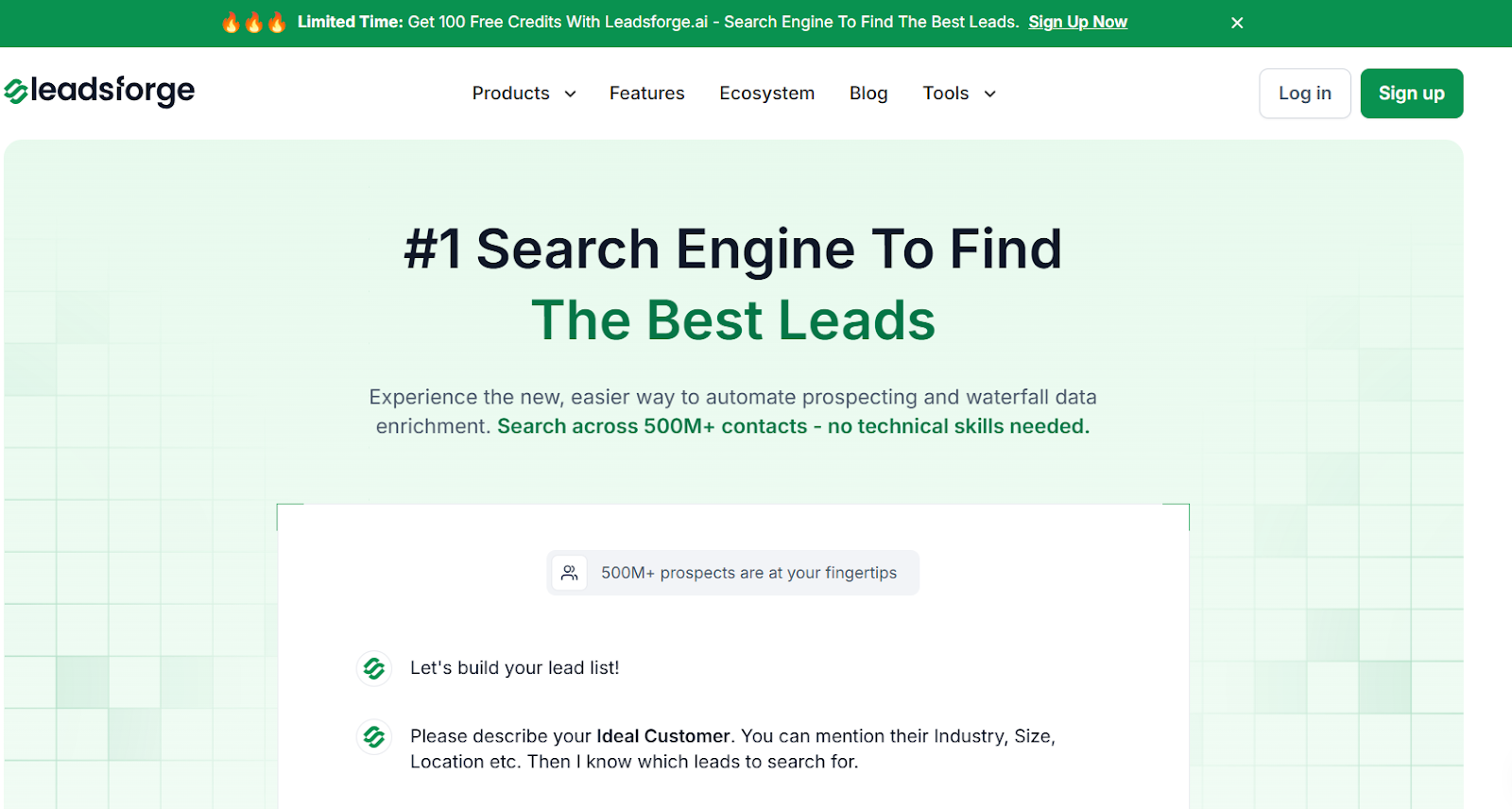
Leadsforge homepage
This image shows the Leadsforge homepage

Leadsforge is a B2B lead search and enrichment tool.

I use it when I need to find leads based on ICP or intent, not just website visits.

Instead of showing who visited my site, it lets me describe my ideal customer.

For example, job title, industry, location, or buying signals.

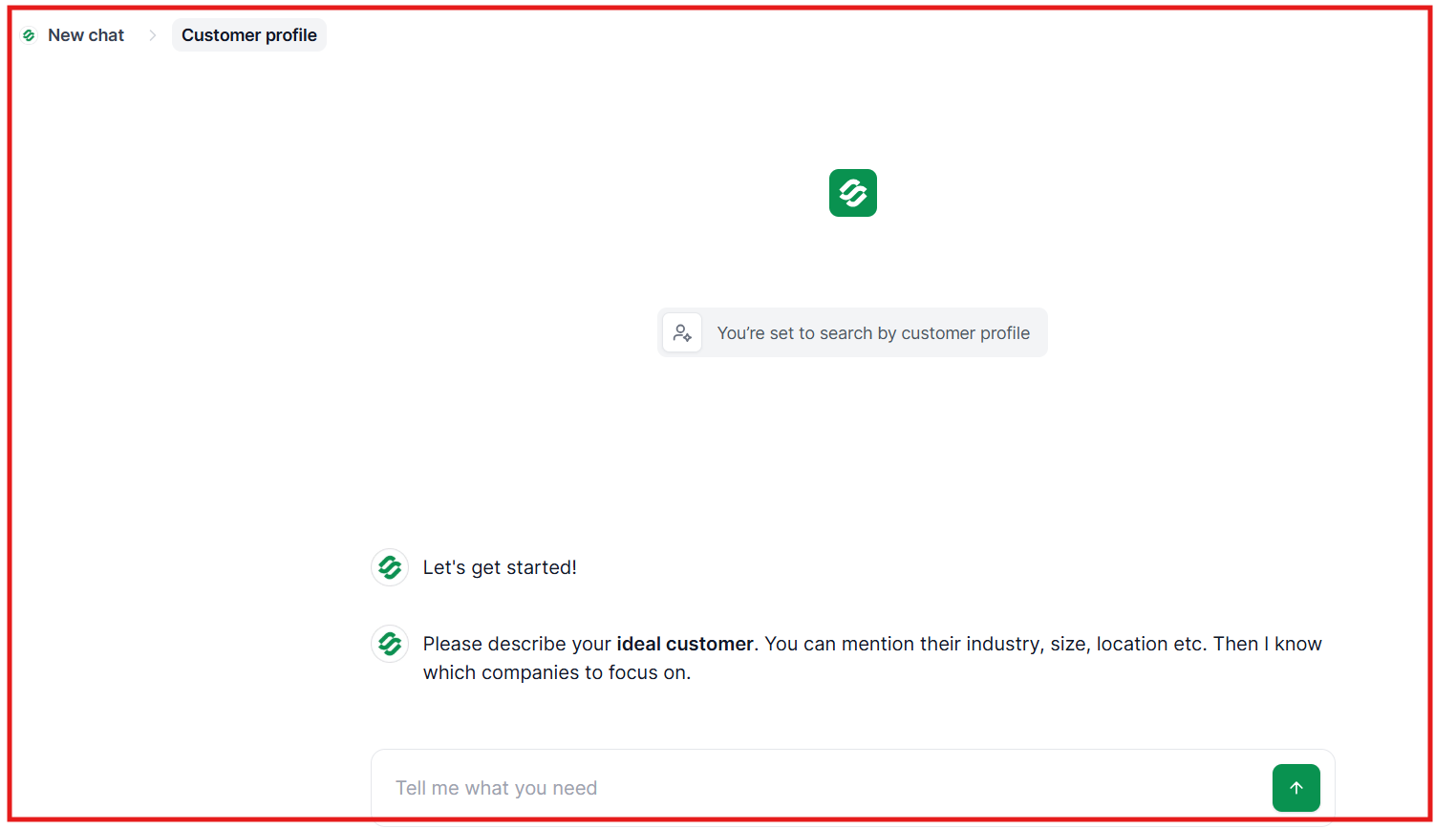
Enrich leads by providing intent and signals on Leadsforge
This image shows the Enrich leads by providing intent and signals on Leadsforge

It then returns matching contacts with emails, LinkedIn profiles, and phone numbers.

The key difference is how it handles data.

Leadsforge connects multiple data sources and runs waterfall enrichment. 

If one source fails, it keeps searching until it finds verified data.

This makes the output usable for outreach without extra steps.

Why Is Leadsforge a Better Alternative to RB2B?

Leadsforge is better when the goal is to turn intent into outbound-ready leads fast.

Here’s where Leadsforge felt better in real use:

  • No dependency on website traffic: I could start with an ICP and generate leads instantly.
Leadsforge ICP based lead generation
This image shows the Leadsforge ICP based lead generation

With RB2B, I had to wait for visitors to land on my site before getting any data.

  • Ready-to-use contact data: Leadsforge returned emails, LinkedIn profiles, and phone numbers in one step. 

RB2B often gave partial identification, so I still needed enrichment tools.

  • Faster workflow from idea to outreach: I could go from ICP → lead list → export in one flow.

With RB2B, the flow was longer (visitor → identify → enrich → outreach).

Here’s the clear difference:

  • Leadsforge = find and build lead lists (idea → contacts → outreach)
  • RB2B = track and identify visitors (traffic → data → extra steps)

Pros of Leadsforge

  • Waterfall enrichment improved match rates across multiple sources
  • Emails, LinkedIn profiles, and phone numbers come in one flow
  • Built-in intent signals help qualify leads before export
  • Lookalikes and follower targeting helped expand small lists

Cons of Leadsforge

  • Credit-based pricing can get expensive at higher volume
  • Output quality depends on how clearly the ICP is described
  • No built-in outreach, needs another tool to send campaigns

Leadsforge Pricing

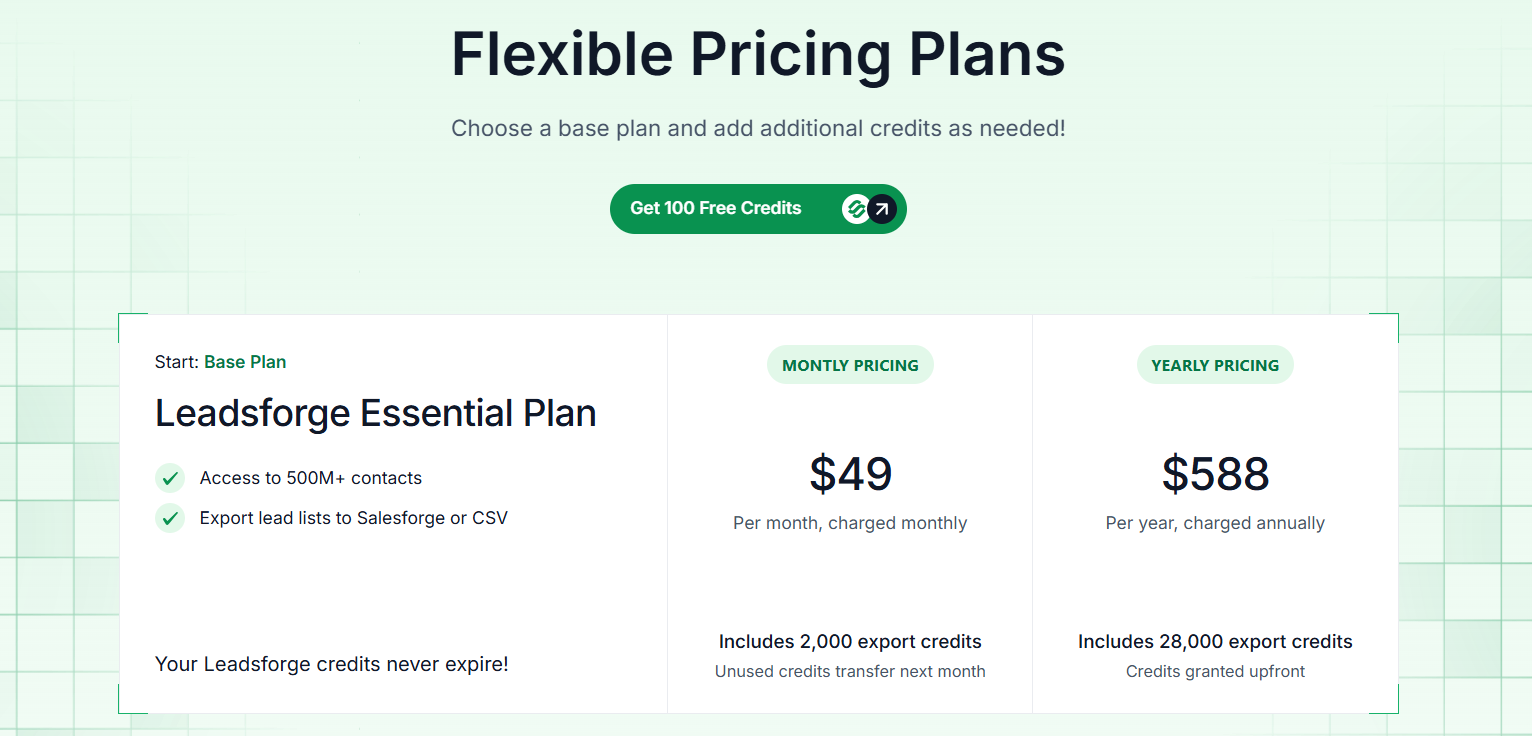
Leadsforge pricing
This image shows the Leadsforge pricing
  • Monthly Plan: $49/month for 2,000 export credits (unused credits roll over)

  • Annual Plan: $588/year for 28,000 credits

  • Free Trial: 100 free credits included
Try Leadsforge now with 100 free credits!
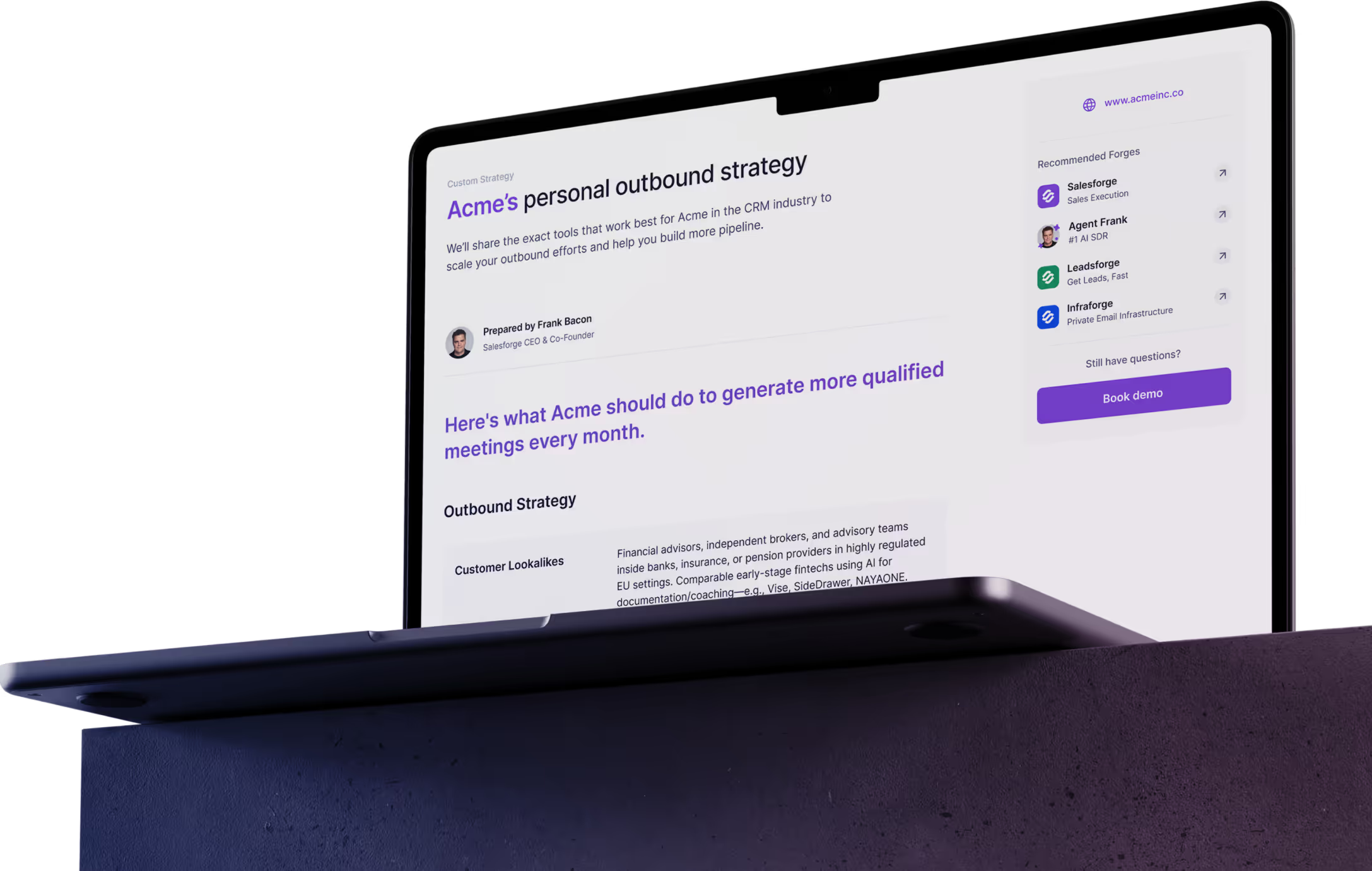
Personalized Outbound Strategy

Get The Right Outbound Strategy In Minutes

Enter your email to get a custom plan & stack recommendation for your business

It's being carefully crafted by AI

Please check your mailbox in 5 minutes

2. Lead Forensics

Lead Forensics homepage
This image shows the Lead Forensics homepage

Lead Forensics is a website visitor tracking tool.

It helps identify which companies are visiting your website, even if they don’t fill a form.

I used it to understand incoming traffic and see which businesses are showing interest.

It shows company details, pages visited, and visit behavior.

The focus is on company-level identification, not individual contacts. 

So it is more useful for analysis than direct outreach.

Why Lead Forensics is a Better Alternative to RB2B?

Lead Forensics is better when the goal is to identify and understand website visitors at the company level.

Here’s where it felt different in real use:

  • Company-level identification: It focuses on showing which companies are visiting your site.

  • Visitor behavior insights: I could see which pages companies viewed and how often they returned.

  • Traffic understanding: It helped me understand which pages and campaigns bring visitors.

  • Inbound-focused workflow: The tool is built more for tracking and analyzing visitors.

  • Simple use for marketing teams: It fits teams that want visibility into website traffic without complex setups.

Pros of Lead Forensics

  • Identifies anonymous website visitors at company level
  • Shows pages visited and visit behavior
  • Helps understand traffic and campaign performance
  • Simple way to see which companies are visiting

Cons of Lead Forensics

  • No direct person-level contact data
  • Needs other tools for outreach or enrichment
  • Data is company-focused, not lead-ready
  • Limited use for direct outbound workflows

Lead Forensics Pricing

Lead Forensics pricing
This image shows the Lead Forensics pricing

Lead Forensics does not show fixed pricing publicly.

Pricing is custom and depends on:

  • Website traffic
  • Features required
  • Business size

It is usually positioned for teams that want deeper visibility into website traffic.

3. 6sense

6sense homepage
This image shows the 6sense homepage

6sense is a revenue intelligence and ABM platform.

It helps identify which accounts are showing buying intent across different channels.

I used it to understand which companies are more likely to convert, not just visit.

It combines intent data, account insights, and AI predictions.

The focus is on account-level intelligence and prioritization, not just website visitors.

Why Is 6sense a Better Alternative to RB2B?

6sense is better when the goal is to find and prioritize accounts that are already showing buying intent, not just identify visitors.

Here’s where 6sense is better in real use:

  • Broader intent signals beyond your website: I could see buying signals from multiple sources, not just my own traffic.

With RB2B, signals mostly depend on website visits.

  • Account prioritization with AI scoring: 6sense ranked accounts based on likelihood to buy.

RB2B shows activity, but prioritization is more limited.

  • Earlier visibility into buyer journey: I could identify accounts researching before they filled a form or converted. RB2B works after a visit is identified.
  • Full GTM execution support: 6sense connects signals to workflows across ads, email, and sales.

RB2B focuses more on identifying and routing visitor data.

  • Better for ABM workflows: I could build and act on target account lists directly. RB2B depends on existing website traffic.

Pros of 6sense

  • Strong intent data across multiple sources
  • AI-based account scoring and prioritization
  • Supports ABM and full funnel GTM workflows
  • Connects marketing, sales, and data in one system
  • Helps identify accounts showing buying intent

Cons of 6sense

  • Focused more on account-level than individual visitor identification
  • More complex compared to simple visitor tracking tools
  • Requires setup across multiple workflows
  • Not built for quick lead capture from website traffic alone

6sense Pricing

6sense pricing
This image shows the 6sense pricing

6sense does not provide fixed pricing publicly.

Pricing depends on:

  • Features and modules used
  • Data volume and integrations
  • Company size and use case

It is generally used by mid-size to enterprise teams running ABM strategies.

4. Leadfeeder

Leadfeeder homepage
This image shows the Leadfeeder homepage

Leadfeeder (now part of Dealfront) is a website visitor tracking and lead generation tool.

It helps identify which companies visit your website and how they behave.

I used it to understand which companies are engaging with my site and which pages they view.

It combines visitor identification, company data, and basic intent signals from behavior.

The focus is on turning website traffic into company-level leads, not outbound prospecting.

It is built for teams that want to capture and act on inbound website traffic.

Why Is Leadfeeder a Better Alternative to RB2B?

Leadfeeder is better when the goal is to identify more companies and act on website traffic with more context.

Here’s where Leadfeeder felt better in real use:

  • Higher company identification coverage: It identified a larger share of website visitors at the company level.

RB2B can miss some visitors depending on tracking depth.

  • Clear visitor behavior insights: I could see pages visited, time spent, and engagement patterns.

RB2B focuses more on identifying visitors than analyzing behavior deeply.

  • Built-in lead scoring and prioritization: Leadfeeder helped prioritize companies based on activity and fit.

RB2B shows data, but scoring is more limited.

  • Audience building and targeting: I could create lists based on ICP, behavior, and filters.

RB2B is more focused on raw visitor identification.

  • Stronger marketing + sales alignment: Data could be used for campaigns, retargeting, and CRM workflows.

RB2B is mainly used for lead identification and routing.

Pros of Leadfeeder 

  • Identifies companies visiting your website
  • Shows visitor behavior and engagement data
  • Helps prioritize leads based on activity
  • Supports audience building and targeting

Cons of Leadfeeder 

  • Focused on company-level, not always person-level data
  • Depends fully on website traffic
  • Limited outbound prospecting features
  • Requires additional tools for enrichment or outreach
  • Can miss smaller or anonymous visitors

Leadfeeder Pricing

Leadfeeder pricing
This image shows the Leadfeeder pricing

Leadfeeder offers multiple plans:

  • Free plan: Up to 100 company identifications per month, Basic company data and limited history
  • Paid plans: Start around €141/month (based on identified companies), include unlimited company identification, scoring, CRM sync, and integrations
  • Advanced platform plan: Starts around €519/month, includes prospecting, AI enrichment, and full data access

5. Warmly

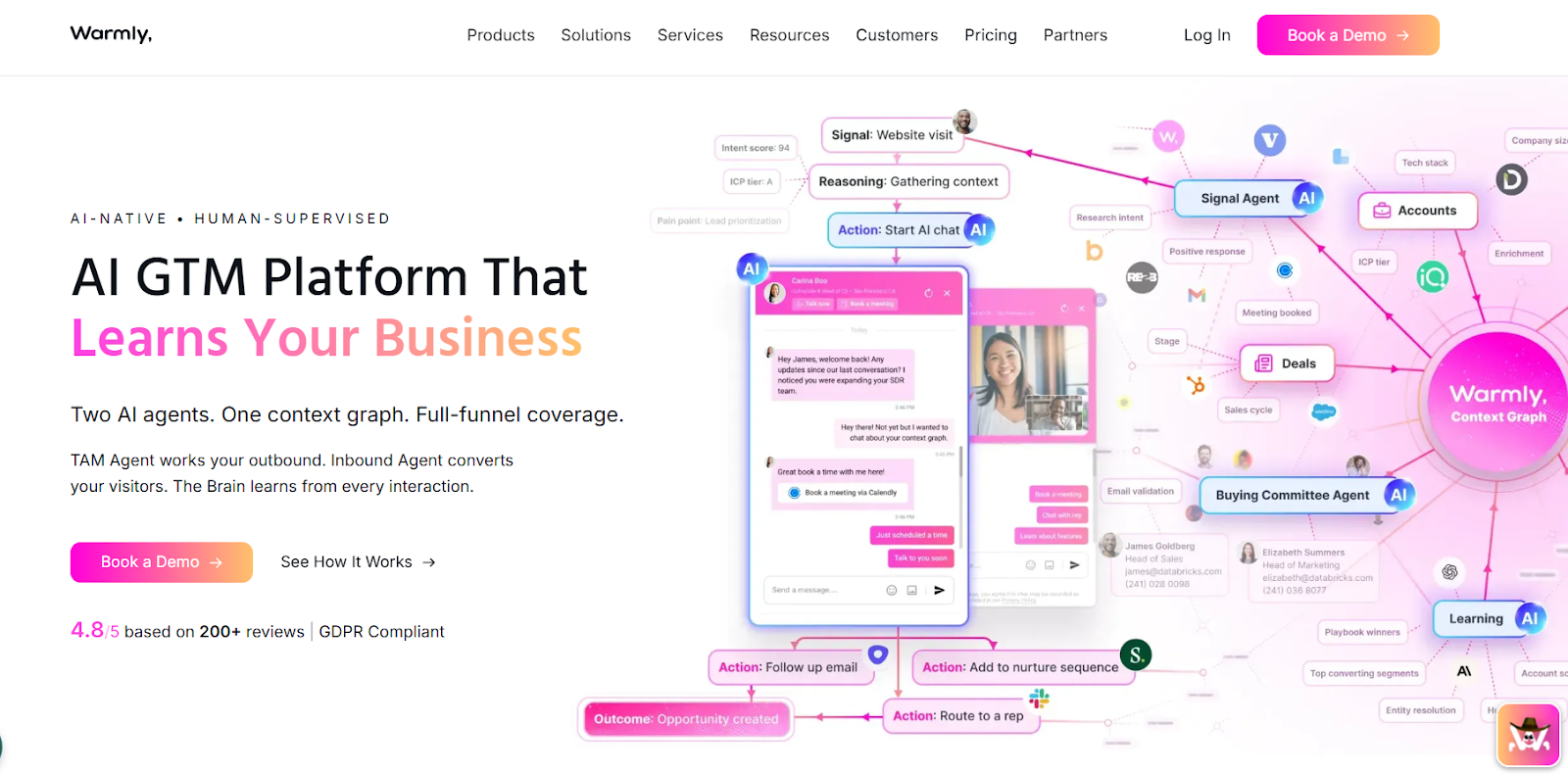
Warmly homepage
This image shows the Warmly homepage

Warmly is an AI GTM platform.

It combines intent data, visitor identification, and automation in one system.

It uses two main parts:

  • TAM Agent for outbound
  • Inbound Agent for website visitors

I used it to track visitors, identify contacts, and engage them in real time.

It combines person-level identification, AI chat, intent signals, and automation workflows.

The focus is on turning both inbound and outbound signals into pipeline, not just tracking visitors.

Why Is Warmly a Better Alternative to RB2B?

Warmly is better when the goal is to not just identify visitors, but engage and convert them in real time.

Here’s where Warmly felt better in real use:

  • Person-level identification + engagement: I could identify visitors and engage them instantly with AI chat.

RB2B focuses more on identifying visitors, not engaging them.

  • Real-time conversion workflows: Warmly could trigger chat, book meetings, and route leads automatically.

RB2B requires manual follow-up after identification.

  • Inbound + outbound in one system: I could handle both website visitors and outbound targeting together.

RB2B is mainly focused on inbound visitor data.

  • Richer intent signals: Warmly uses website activity, external signals, and behavioral data.

RB2B relies more on website visit data.

  • Continuous automation with AI agents: The system runs workflows automatically across the funnel.

RB2B is more of a data tool than an execution system.

Pros of Warmly

  • Person-level visitor identification
  • Real-time AI chat and engagement
  • Combines inbound and outbound workflows
  • Strong intent signals and data coverage

Cons of Warmly

  • More complex than simple visitor tracking tools
  • Higher pricing compared to basic tools
  • Requires setup across multiple workflows
  • Depends on proper setup to get full value

Warmly Pricing

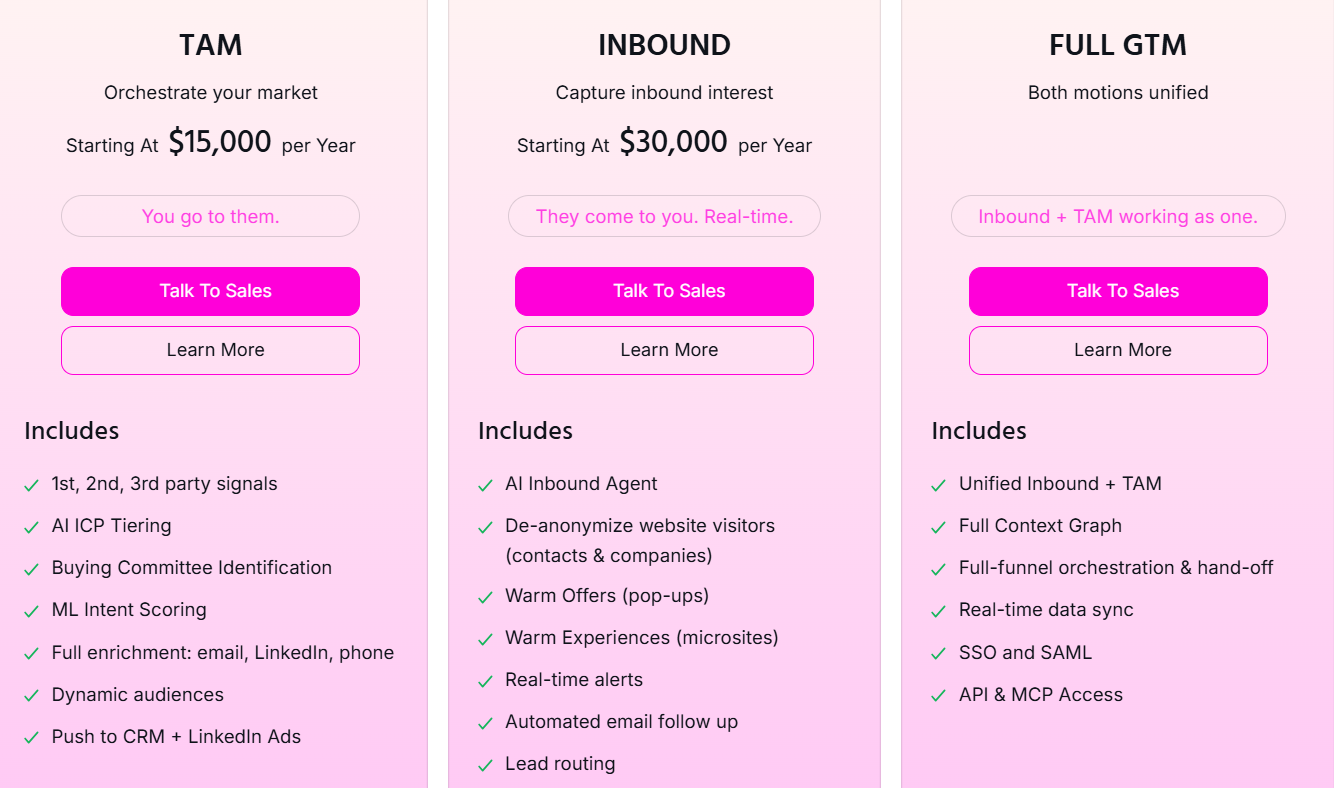
Warmly pricing
This image shows the Warmly pricing

Warmly uses custom pricing based on modules:

  • TAM Plan: starts around $15,000/year
  • Inbound Plan: starts around $30,000/year
  • Full GTM Platform: custom pricing

Pricing depends on:

  • Features (Inbound, TAM, or full platform)
  • Data usage and integrations
  • Team size and workflows

It is mainly used by mid-size to enterprise teams building full GTM systems.

Personalized Outbound Strategy

Get The Right Outbound Strategy In Minutes

Enter your email to get a custom plan & stack recommendation for your business

It's being carefully crafted by AI

Please check your mailbox in 5 minutes

Which RB2B Alternative Should You Choose?

This brings the comparison to a close.

The right choice depends on how you generate leads.

  • If you rely on website traffic, use Lead Forensics or Leadfeeder.
  • If you need account-level intent and prioritization, use 6sense.
  • If you want to convert visitors in real time, use Warmly.

But if your goal is to build pipeline without waiting for traffic, Leadsforge fits better.

It lets you go from ICP → lead list → outreach without extra steps.

You don’t have to wait for visitors or use multiple tools.

You can test it with free credits and see how it works for your market.

Once ready, you can push leads to Salesforge and start outreach.

Try Leadsforge now with 100 free credits.