

Personalized Outbound Strategy
Get The Right Outbound Strategy In Minutes
Enter your email to get a custom plan & stack recommendation for your business
It's being carefully crafted by AI
Please check your mailbox in 5 minutes
Most email automation tools promise the same thing, more replies, more meetings, and more pipeline. The problem is that once you start comparing them, everything begins to look the same.
Almost every platform claims to offer email sequences, automation, personalization, analytics, warmup, AI features, and deliverability tools. But when you look closer, the differences are much bigger than the marketing pages suggest.
Some platforms are better for managing large outbound operations. Some are better for prospecting. Some are easier for small teams. Others give you more control over deliverability, mailbox management, and scaling.
As a result, choosing the wrong tool can mean paying for features you never use while still needing additional software to fill the gaps.
In this guide, I'll compare the best email automation tools in 2026, explain where each one performs best, where it falls short, and which type of team should actually use it.
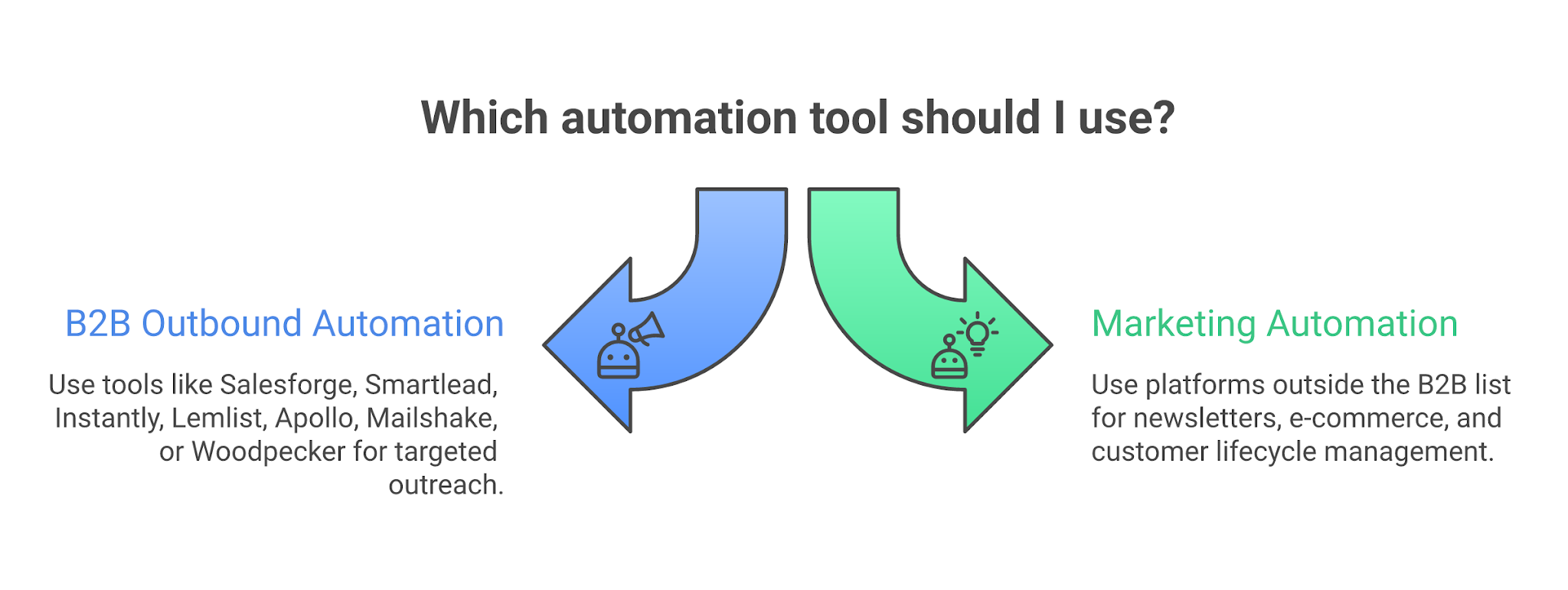
Here is a quick comparison:
I evaluated these tools based on whether they can run reliable outbound email without creating domain risk, messy reply handling, or hidden operating costs. The workflow matters more than the feature grid.
A real outbound team has to connect mailboxes, warm senders, sequence prospects, protect sender reputation, personalize at scale, route replies, and sync to CRM.
These were the five criteria.
I also checked the category boundary. Some searchers typing “email automation tools” need sales email automation. Others need marketing email automation. Sales email automation is about reaching net-new prospects and turning replies into pipeline.
Marketing email automation is about communicating with subscribers, users, customers, or opted-in audiences.
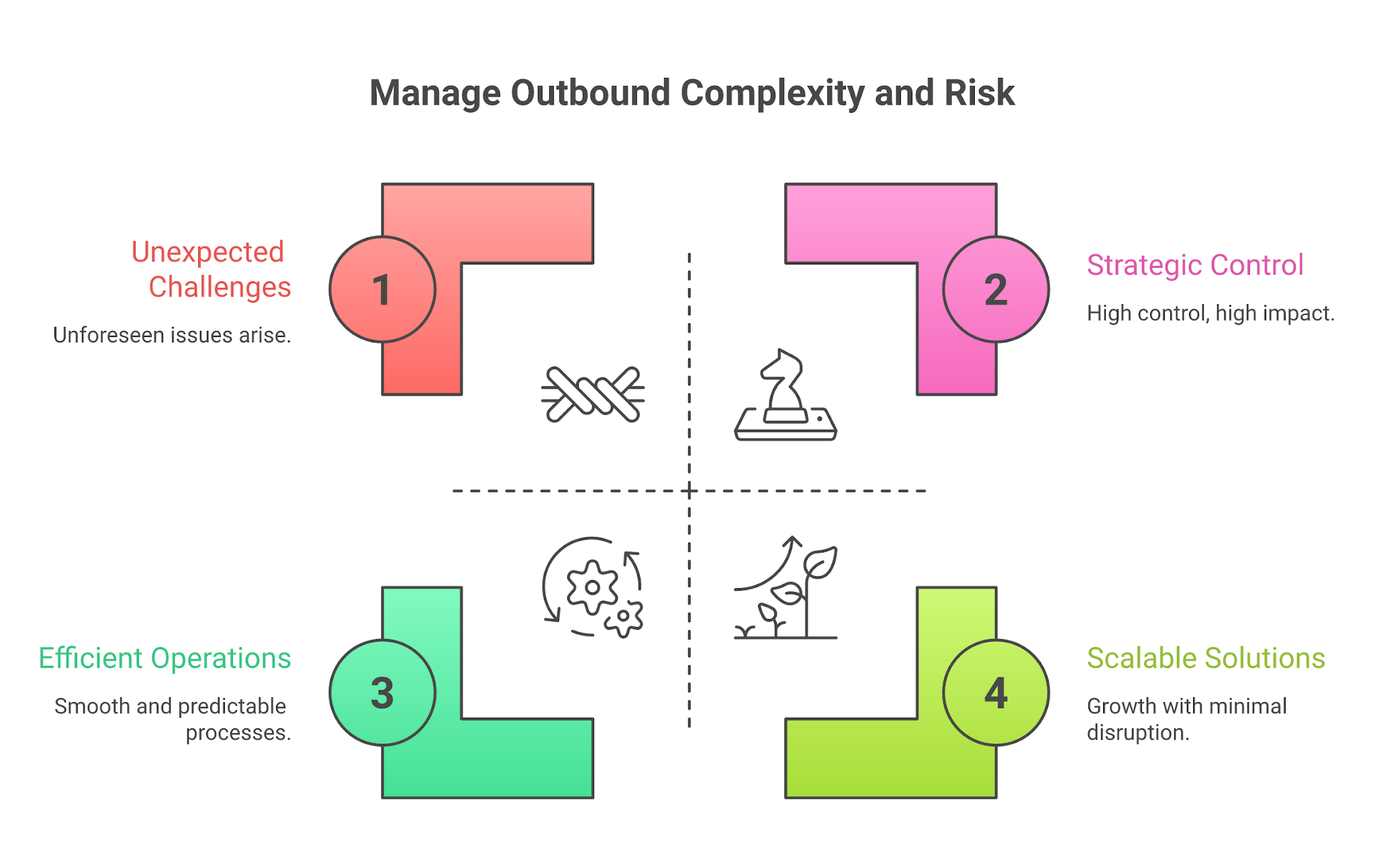
The real cost is rarely just the subscription. For outbound, count six lines:
That is where cheap plans break. Now let’s have a detailed look of each tool:
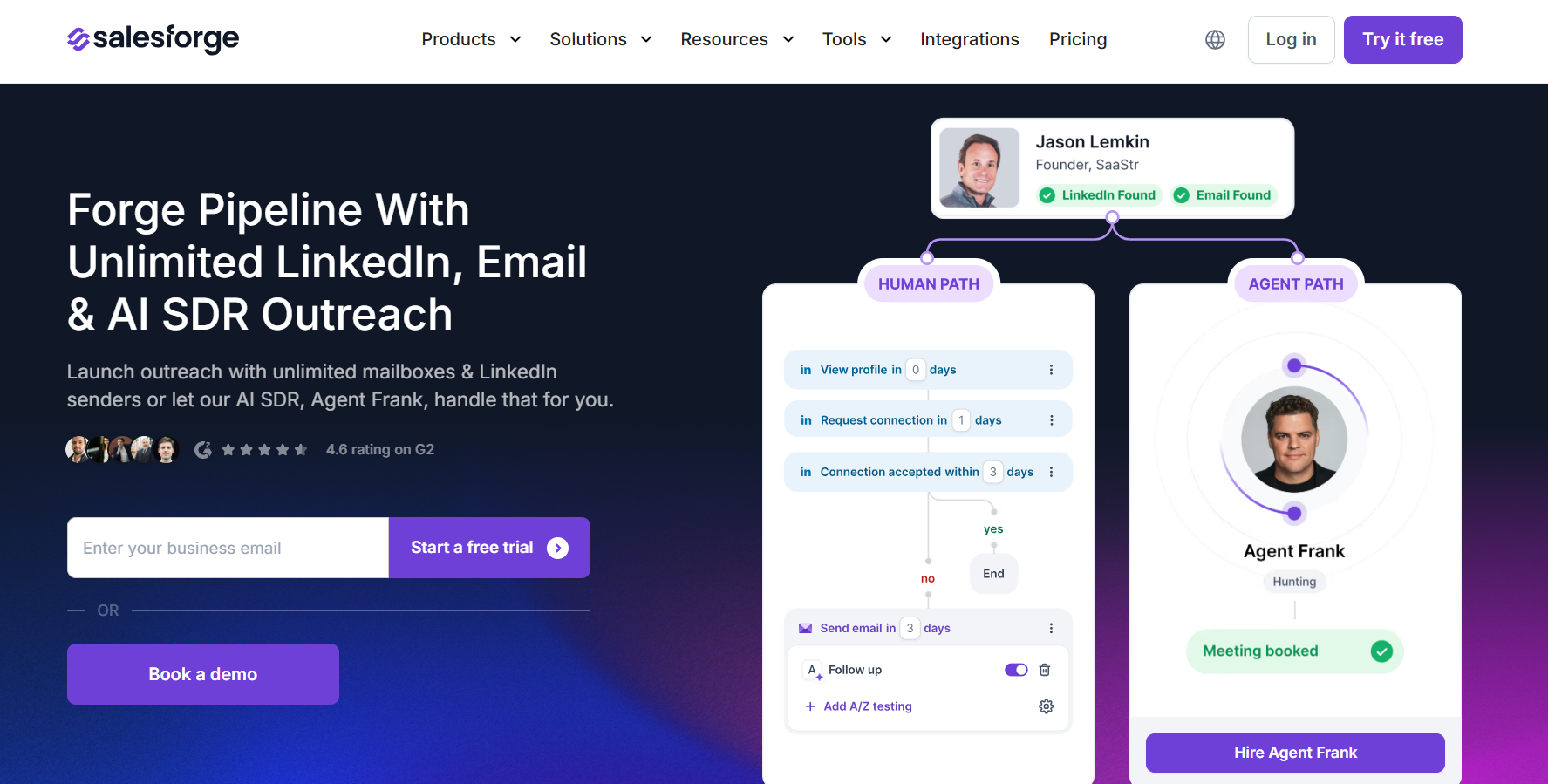
Salesforge is the strongest fit when email automation is only one layer of a bigger outbound system. Most teams do not fail because they forgot a follow-up step. They fail because they send from weak infrastructure, skip warmup, use dirty data, push too much volume too early, and then blame the copy.
Salesforge is built around the Forge Stack order:
Salesforge runs email and LinkedIn outbound from one platform. It handles execution. Mailforge handles distributed email infrastructure. Infraforge handles private infrastructure. Primeforge handles Google and Microsoft infrastructure.
Warmforge handles deliverability and warmup. Leadsforge handles prospect discovery. Agent Frank finds prospects, writes tailored outreach, follows up, and books meetings.
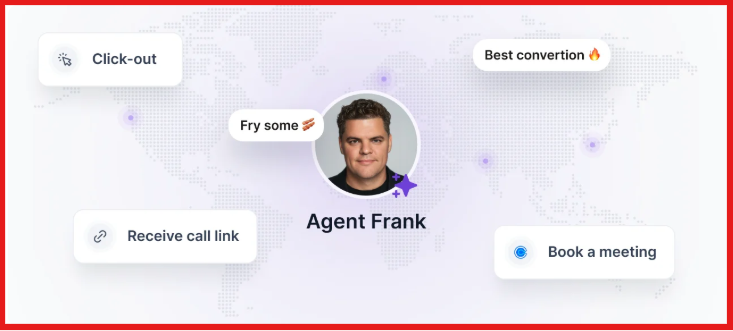
That stack matters when you have 10 SDRs, 60 mailboxes, and one RevOps person trying to keep the system clean.
Salesforge wins when the buyer wants:
The best Salesforge buyer is trying to forge pipeline without burning domains. One Salesforge case study shows Jungler running 21 active mailboxes through Salesforge and Warmforge, with all mailboxes warmed and 89+ Heat Scores.
Another Salesforge post cites Kobi Omenaka, who has shared cold email lessons after 100,000+ sends on LinkedIn, arguing for tighter sequencing and deeper data work before scale. That is the operating point. Scale only works when the pieces stay ordered.
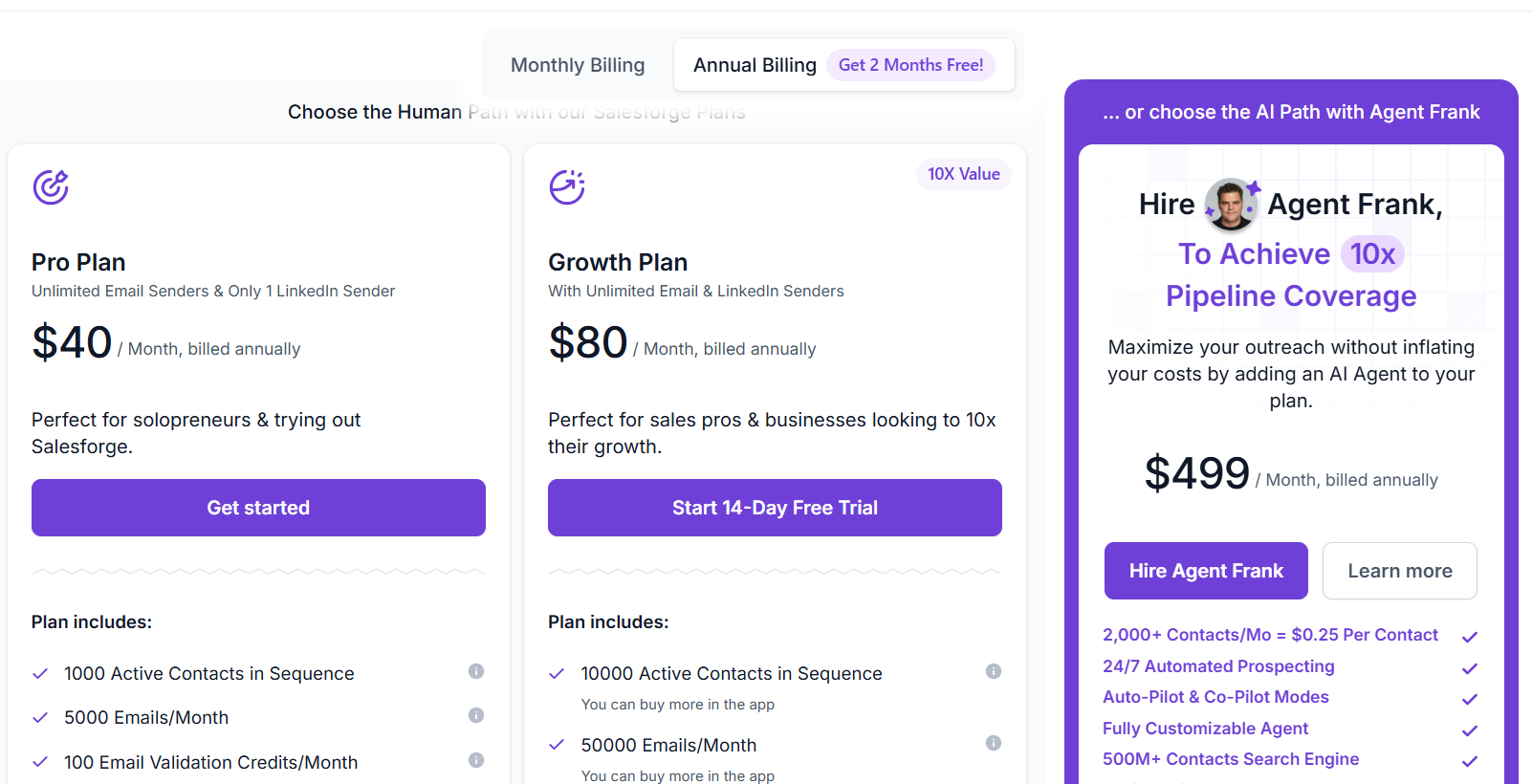
My read: Pro is the test plan. Growth is the real operator plan. Agent Frank is a pipeline coverage decision, not a “nice AI add-on.”
Do not choose Salesforge if you only need:
Choose Salesforge if outbound email automation is part of a serious B2B pipeline system. Especially if your bottleneck is infrastructure, sender matching, mailbox/IP rotation, reply handling, and warmup.
Enter your email to get a custom plan & stack recommendation for your business
Please check your mailbox in 5 minutes
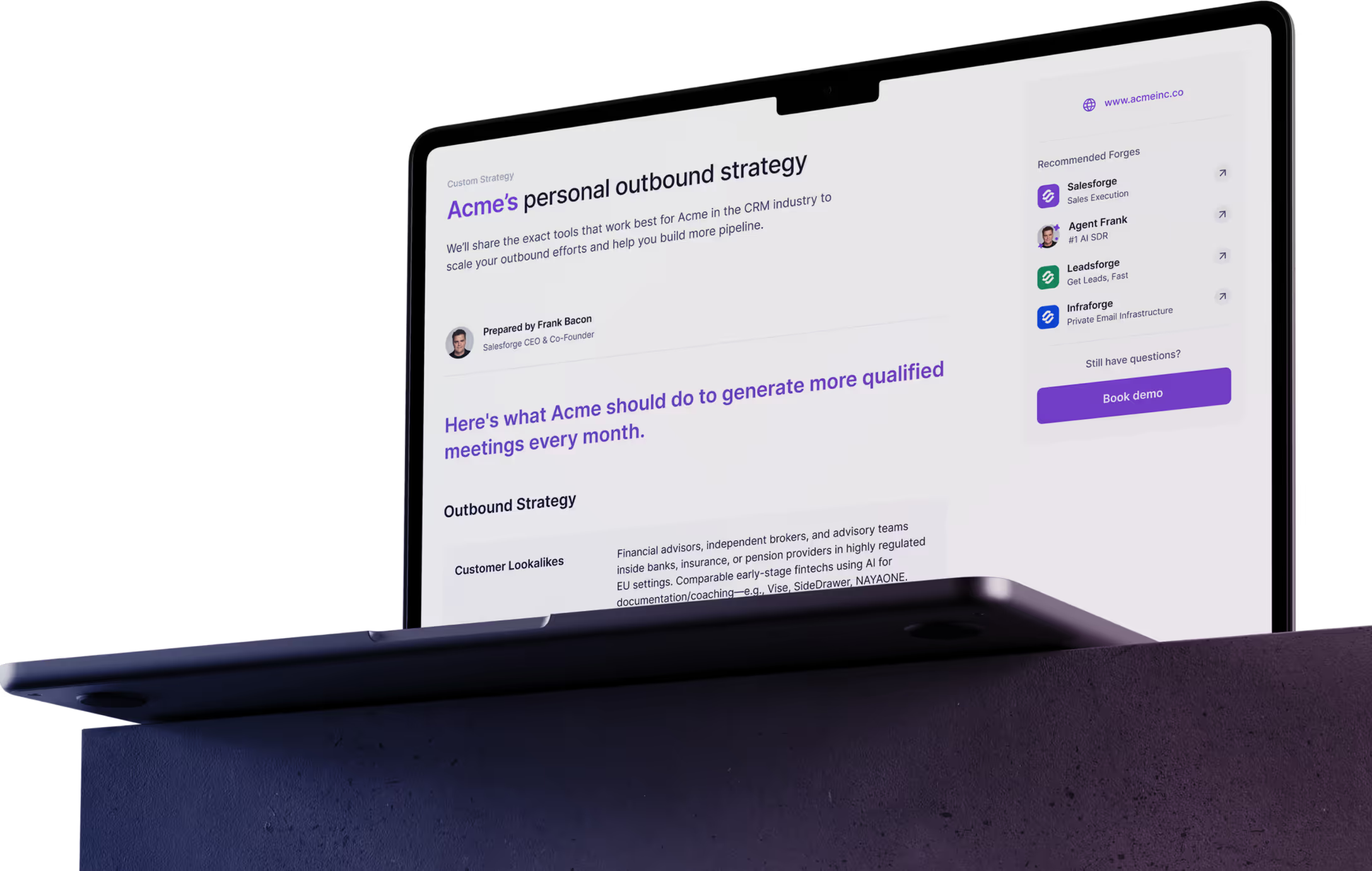
Smartlead is a strong pick for teams that already understand cold email operations and want to run volume through many senders without paying per connected mailbox.

All plans include unlimited email accounts at no extra cost. That is why operators like it. It is built for high-volume cold email sending. Its pricing page shows plan allowances for contacts, monthly email sends, verified prospect emails, warmup pool access, CRM access, and add-ons.
Choose Smartlead if you already have domains and mailboxes, know sender limits, want unlimited email accounts, and care more about campaign volume than a built-in prospecting database. This is where Smartlead can beat broader platforms.
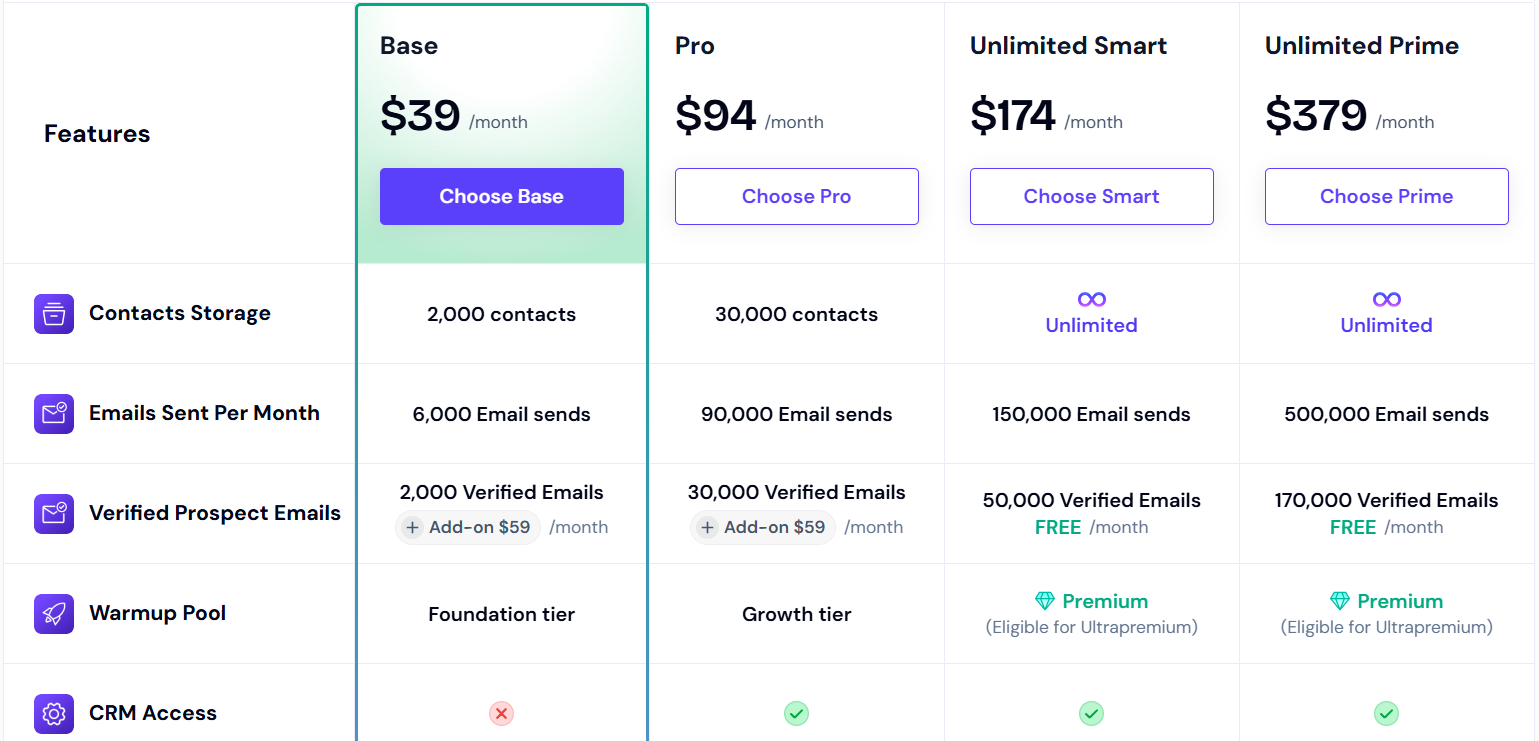
My read: Base is not the plan for serious volume. Unlimited Smart is the operator plan if you want fewer constraints around contacts.
Smartlead is less compelling if you want one integrated system for:
It can still work. But you need to bring more operational judgment yourself.
Choose Smartlead if your team is already good at cold email operations and wants a strong sender console with unlimited connected accounts. Do not choose it because you want the tool to teach you infrastructure discipline.
Read - 6 Smartlead Alternatives for Cold Outreach Teams (2026)
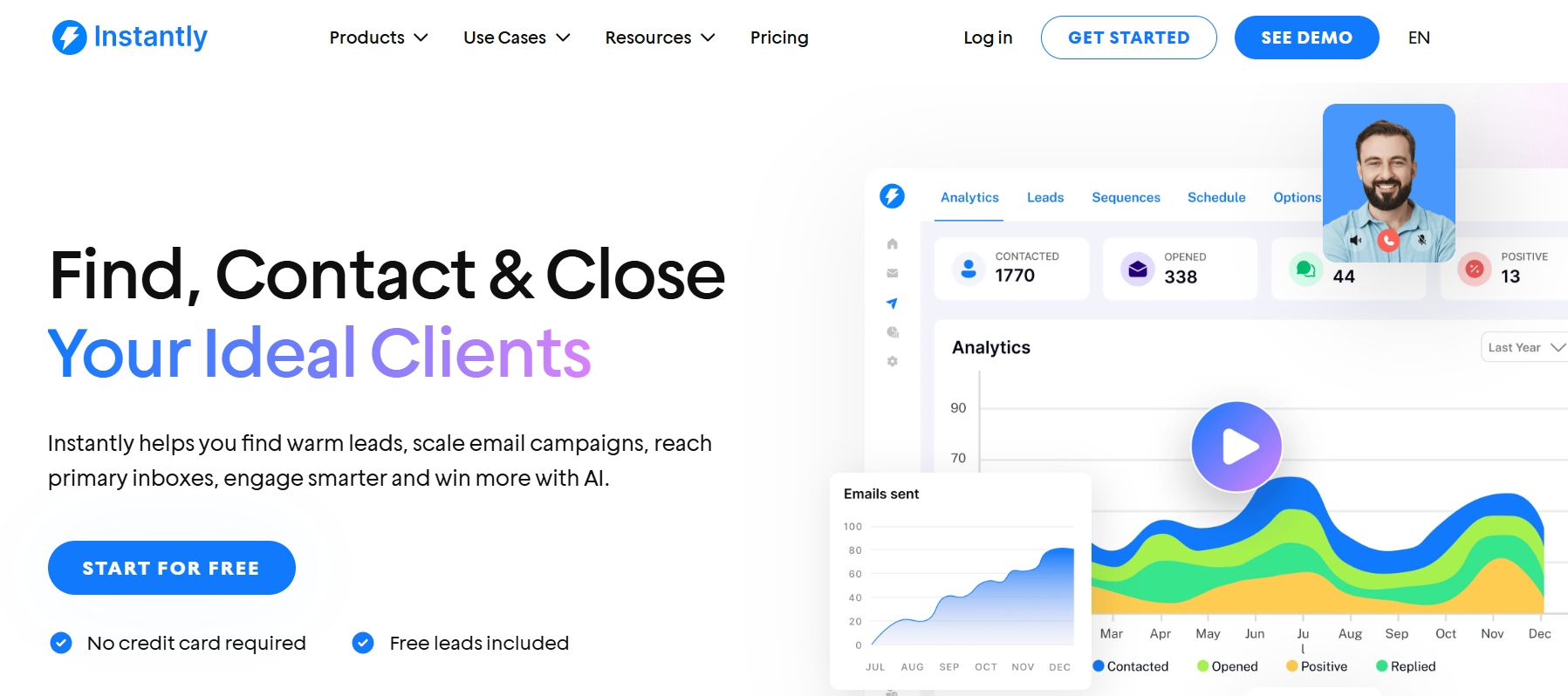
Instantly is the tool many founders and agencies try first because the setup path is direct. Connect accounts. Warm them. Upload contacts. Send campaigns. It is built for speed.
Email Outreach lets users connect and warm unlimited email accounts, upload contacts, and send campaign emails. Instantly Credits cover SuperSearch, enrichment, verification, Copilot, AI reply agent, and AI sales agent.
Inbox Placement tests deliverability and spam scores, checks authentication like SPF, DKIM, and DMARC, and monitors IPs and domains against 94 blacklists. That is a practical setup for teams that want to launch cold email without a long buildout.
Choose Instantly if you want a fast path from zero to sending, unlimited connected and warmed accounts, optional inbox placement testing, DFY services, and credits for data, enrichment, verification, and AI reply work. Instantly is especially attractive for founders and agencies that want a clear cold email machine without building every workflow from separate tools.
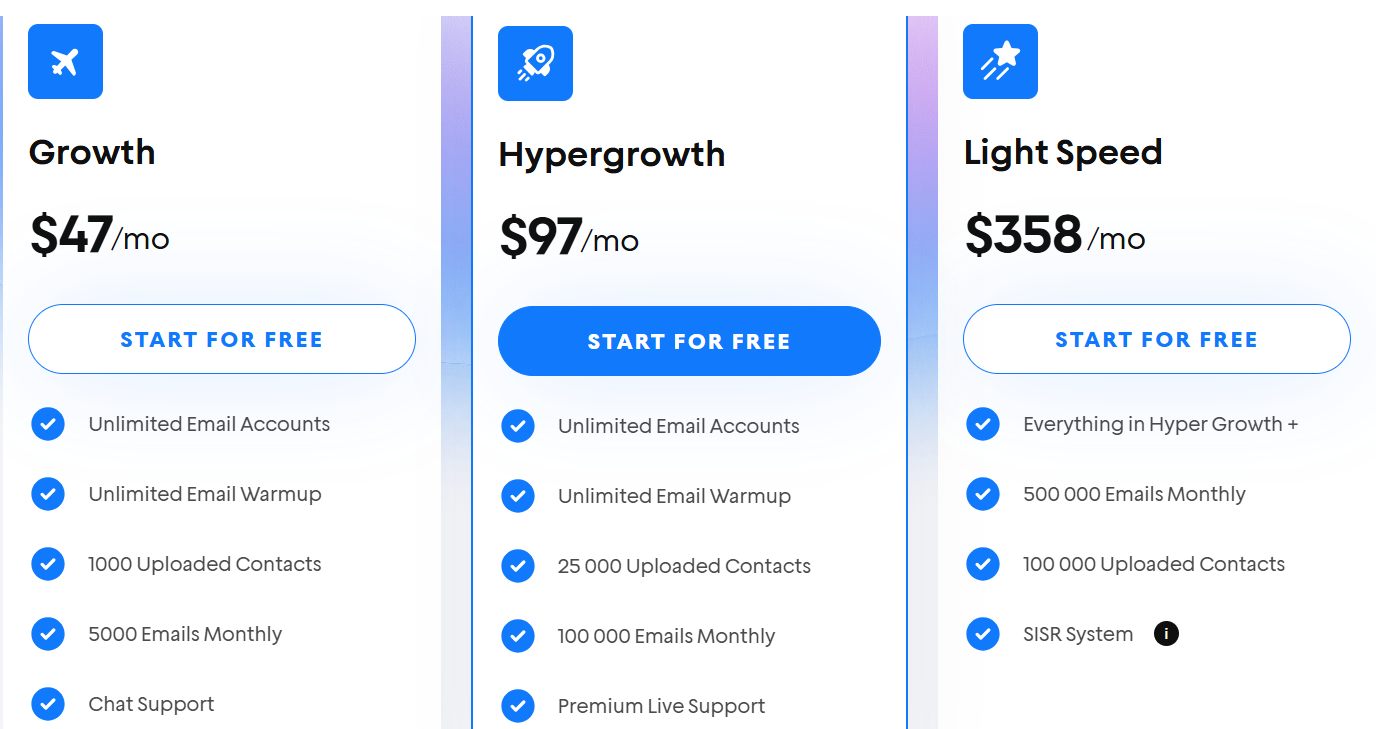
My read: Instantly looks simple until you model the add-ons. That does not make it bad. It means you should price the real workflow, not the entry plan.
Instantly can get expensive or confusing when a team needs:
It is also not the best fit if your outbound thesis depends on one cohesive infrastructure stack across email, LinkedIn, AI SDR workflow, private/shared infrastructure, and deliverability center.
Choose Instantly if you want to launch high-volume cold email and you are comfortable watching the add-on math. Do not choose it if you want the cleanest total-cost model. The tool is good. The spreadsheet needs attention.
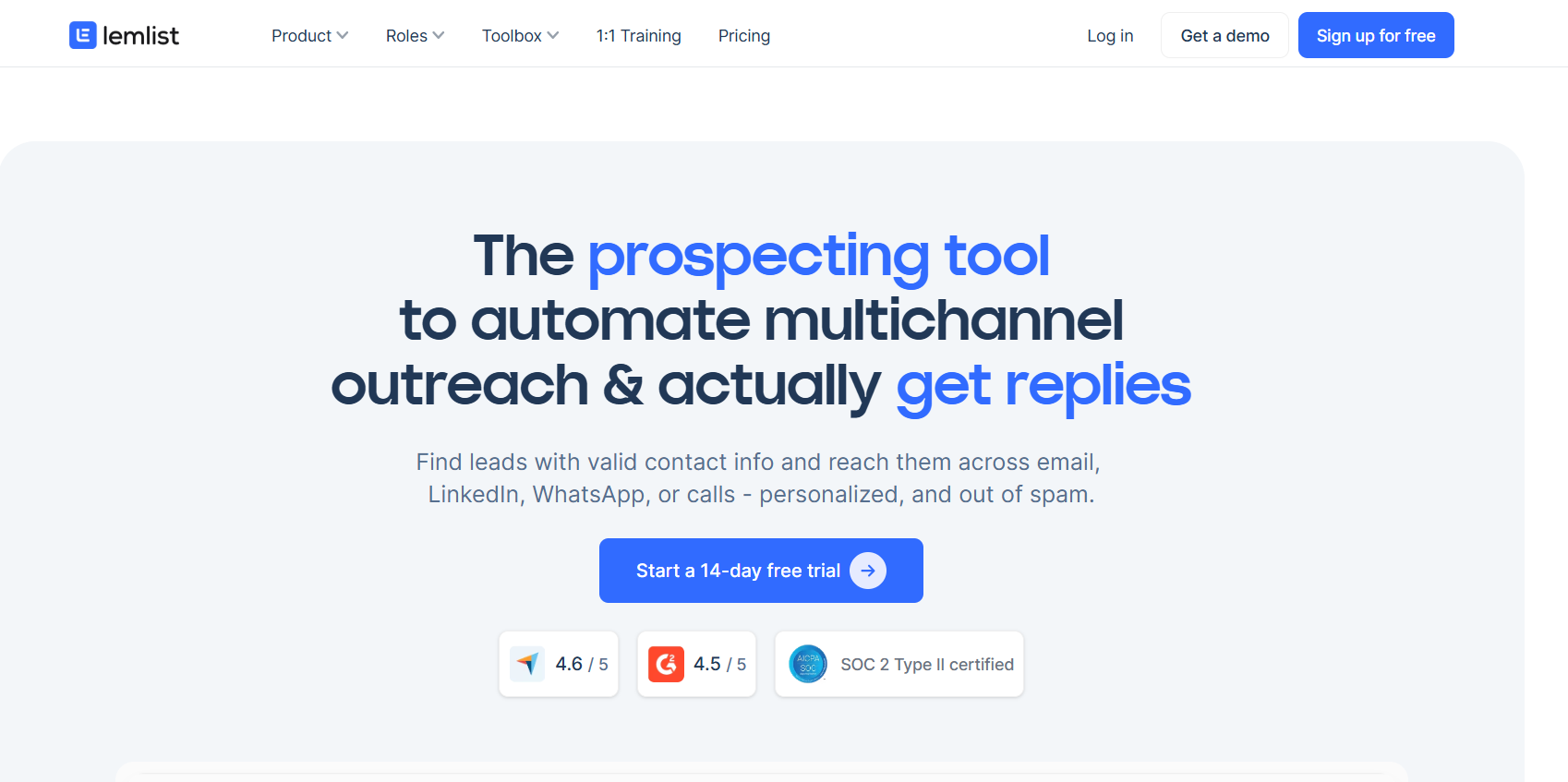
Lemlist wins when the buyer’s advantage is not just email. It is a channel mix of Email plus LinkedIn, SMS. Calls and WhatsApp. If your motion depends on being present across channels, Lemlist may be the better fit than an email-first tool.
Choose Lemlist if your campaign needs email, LinkedIn, SMS, WhatsApp, calls, personalized assets, a built-in prospects database, a unified inbox, and warmup in the same product.
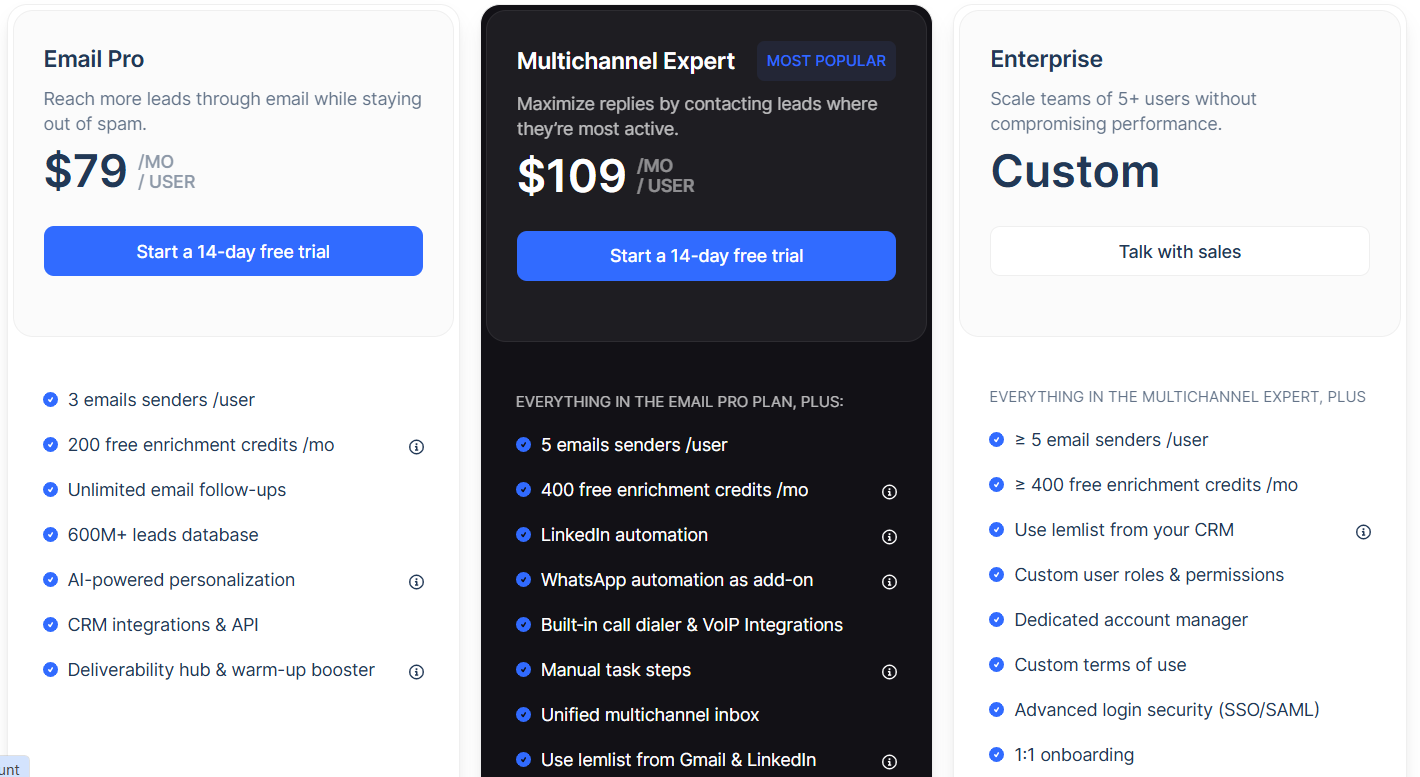
My read: The Email plan is attractive if you want database plus email. The Multichannel plan is where Lemlist becomes Lemlist. If you are not going to use the extra channels, do not pay for the extra channels.
Lemlist is not the cleanest choice for email-only infrastructure-led outbound. You may pay for capabilities that do not matter if your system is:
Choose Lemlist when multichannel personalization is the campaign. The tool is strongest when the sales motion uses the channels it gives you.
Lemlist vs Salesforge: Which Outreach Tool Best Suits Your Business?
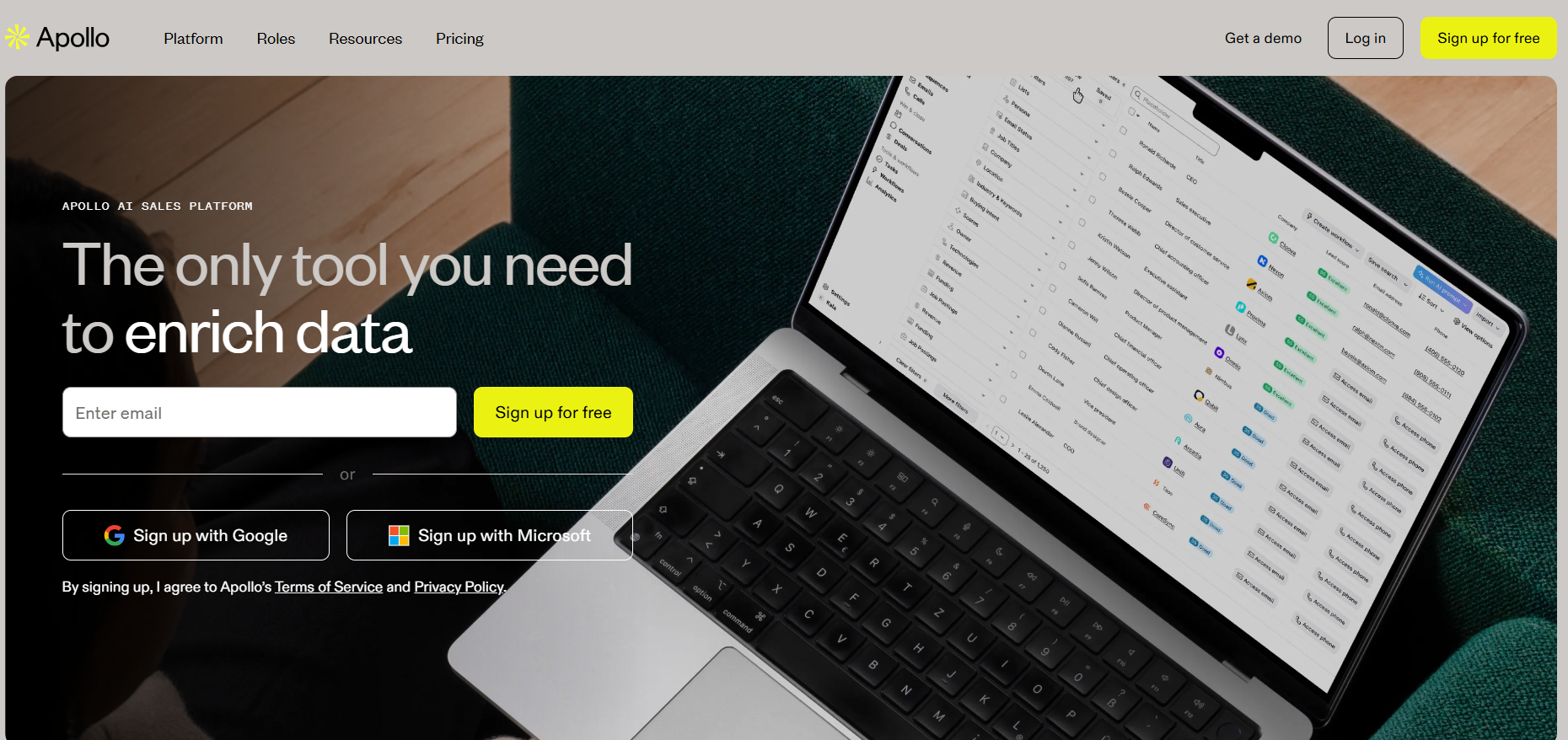
Apollo is different from the other tools on this list. It is not mainly a cold email infrastructure product. It is a GTM database and workflow platform with sequencing.
Apollo sequences let teams build automated outreach steps, use A/B tests, manage sequence rulesets, configure sending schedules, add contacts, report on sequence performance, and control what happens when a prospect replies.
Apollo also lets teams determine which mailbox sends sequence emails and can rotate mailboxes so messages are dispersed across multiple email addresses. The database is the real reason to choose Apollo.
Choose Apollo if:
This is the second competitor-wins scenario.
Apollo can be the right choice. It is especially for teams that would otherwise stitch together a database, Chrome extension, enrichment workflow, and basic sequencing.
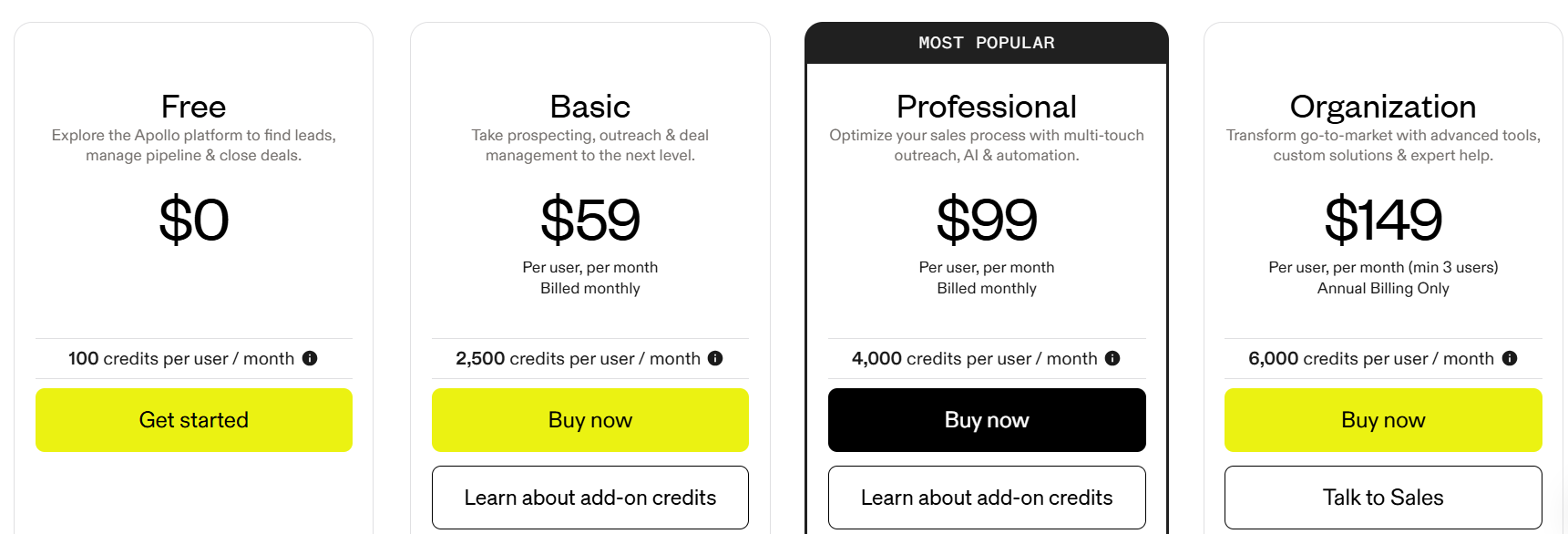
Apollo offers four pricing tiers, with credits being the main factor that determines how much contact and company data you can access.
My read: Budget Apollo around seats, credits, exports, mobile data, enrichment, and any dialer or workflow add-ons you need. The cheap version is cheap only if your team stays inside the limits.
Apollo is not the best answer when the bottleneck is:
Apollo sequences can run outreach, but a database-led workflow will not save weak domains or bad data. Apollo’s own sequence docs warn that high bounce rates across many sequences may indicate a domain reputation issue. That is the line operators should pay attention to.
Choose Apollo when prospect data and a GTM workspace matter more than sending infrastructure. Do not choose it as your sender-infrastructure plan. Those are different jobs.
Mailshake is the simpler choice. Some teams do not need a full outbound infrastructure stack. They need reps sending sequences the same day, basic personalization, warmup, verification, and a unified inbox on higher plans. Mailshake fits that lane.
The Email Outreach plan adds two email addresses per account, unlimited email sends, email rotation, personalization, advanced scheduling and throttling, unified inbox, CRM integrations, Zapier, prospects view, browser extension, and template management.
The Sales Engagement plan adds 10 email addresses per account, 2,500 data finder credits, phone numbers, power dialer, North American dialer minutes, lead temperature, account-level organization, custom tasks, and onboarding.
Choose Mailshake if:
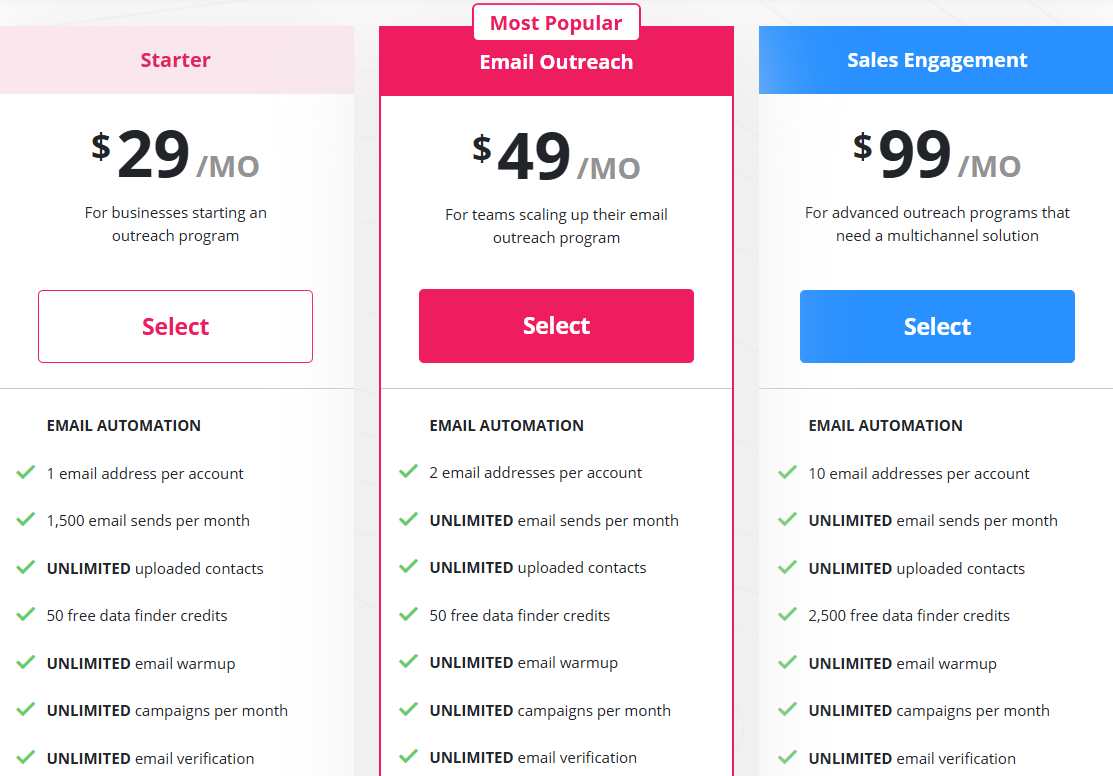
My read: Starter is for basic outreach. Email Outreach is the real plan for most cold email teams because email rotation and unified inbox matter. Sales Engagement is for teams adding calls.
Mailshake is not the right fit if your outbound team needs:
Choose Mailshake if you need simple sales follow-up and do not want a heavy tool. Do not choose it for infrastructure-led outbound at scale. That is not the job it is trying to do.
5 Best Mailshake Alternatives & Competitors for 2025 (Picked by GTM Engineers)
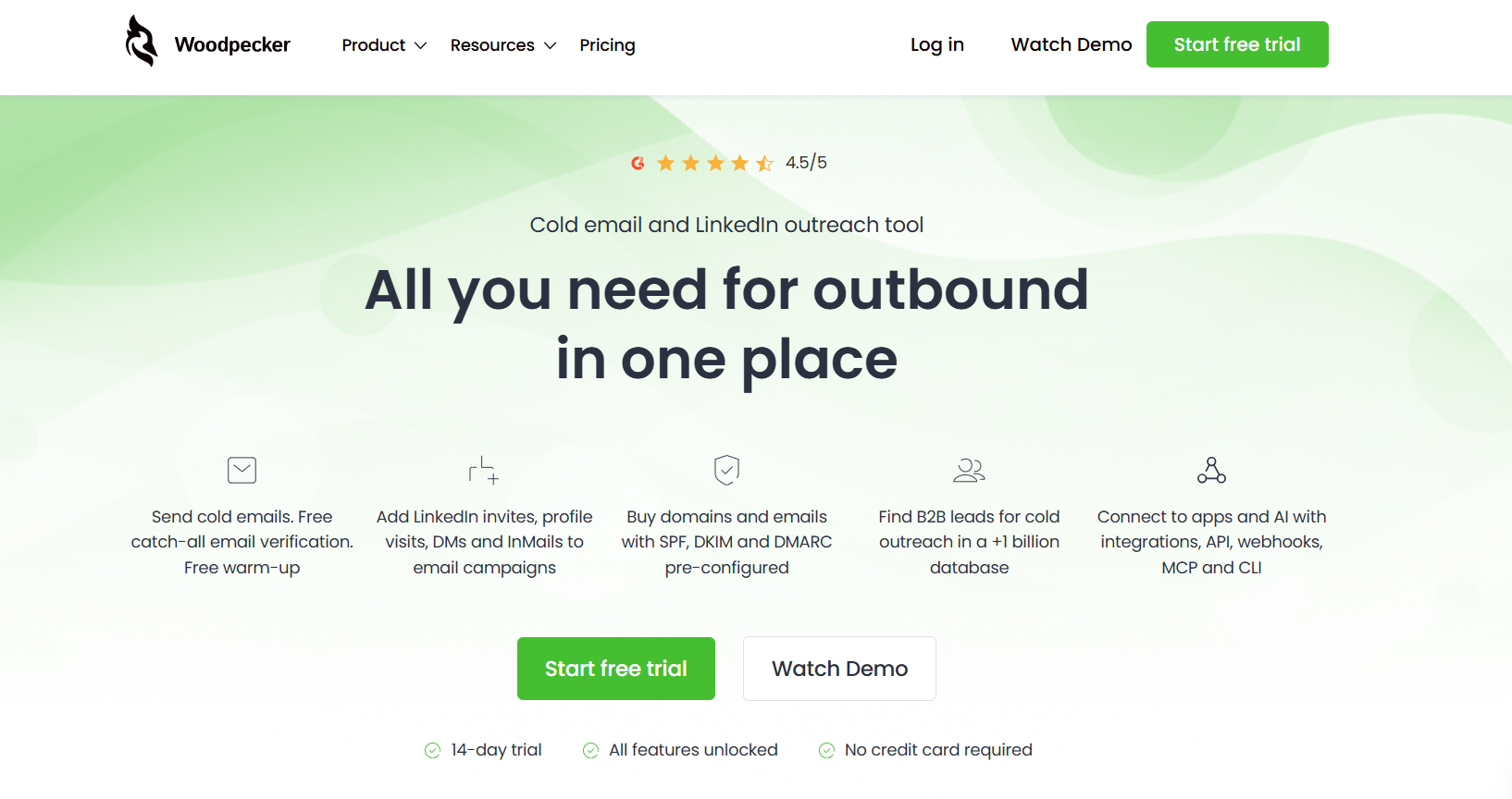
Woodpecker is a controlled cold email platform with a pricing model that looks different from the others. It prices around contacted prospects and add-ons. That can be good if your usage is clear. It can be annoying if you want a flat plan.
Choose Woodpecker if:
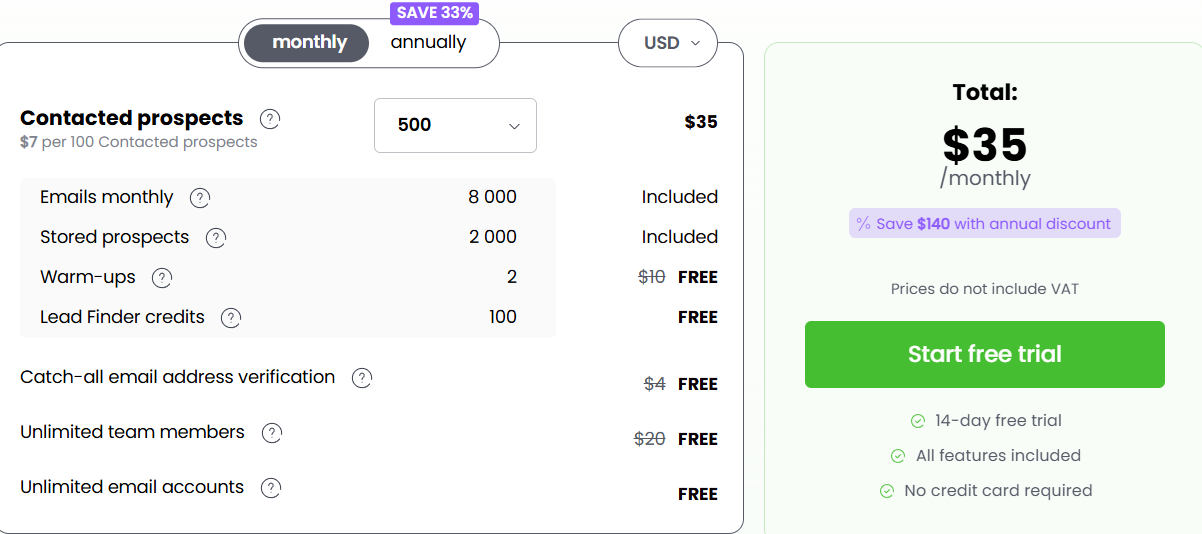
My read: Woodpecker can be cost-efficient if your contacted-prospect volume is predictable. It is harder to compare if you are used to simple plan tiers.
Woodpecker is weaker if:
Choose Woodpecker if you want controlled cold email and LinkedIn outreach with usage-based pricing. Do not choose it if you want the simplest pricing comparison. The controls are useful.
The best email automation tool depends on what is slowing down your outbound process. Start with the bottleneck, then choose the platform that solves it.
This list focuses on outbound email automation. If you need newsletter campaigns, ecommerce automations, customer onboarding emails, lifecycle marketing, or subscriber nurturing, you should look at marketing automation platforms instead.
7 Best Cold Email AI Tools in 2026: Tested and Compared
The best email automation tool depends on what you're trying to solve. If your biggest challenge is finding prospects, Apollo is a strong option. If you're focused on high-volume cold email, Smartlead and Instantly are both worth considering. Teams running multichannel outreach may get more value from Lemlist, while Mailshake and Woodpecker are solid choices for simpler sales engagement workflows.
That said, many outbound teams eventually discover that sending emails is only one part of the process. Deliverability, mailbox management, warmup, infrastructure, reply handling, and scaling outbound safely often become bigger challenges than building sequences. That's where Salesforge stands out.
Instead of treating email automation as a standalone tool, Salesforge combines outbound execution with warmup, deliverability, infrastructure, LinkedIn outreach, and AI-powered workflows in one ecosystem. For teams that want to build a reliable outbound engine rather than just send more emails, it offers one of the most complete solutions on this list.
If you're evaluating email automation tools for serious B2B outbound in 2026, Salesforge is a strong place to start.
Try Salesforge for free!


.jpg)

.jpg)