

Personalized Outbound Strategy
Get The Right Outbound Strategy In Minutes
Enter your email to get a custom plan & stack recommendation for your business
It's being carefully crafted by AI
Please check your mailbox in 5 minutes
Running outbound gets complicated faster than most founders expect.
At first, it sounds simple: find the right prospects, send a few emails, connect on LinkedIn, follow up, and book meetings. But once your team starts using separate tools for data, sequencing, LinkedIn activity, calling, and reply management, the workflow becomes harder to control than the outreach itself.
I have been in that position, trying to figure out whether the problem was our targeting, messaging, execution, or simply the fact that too many disconnected tools were involved.
So, if you are considering Buzz.ai because it promises to bring email, LinkedIn, calling, prospecting, and sales engagement into one platform, I know what you are trying to solve.
The question is not whether Buzz.ai has a long feature list. It is whether those features work well enough together to simplify outbound, keep your team productive, and justify the cost.
In this Buzz.ai review, I will look at how the platform works, where it performs well, where it falls short, and whether it is genuinely worth using for sales engagement in 2026.
Buzz.ai is worth considering if you want one platform that brings prospecting, email, LinkedIn, calling, and sales engagement into the same workspace. For teams tired of switching between multiple tools, that all-in-one promise is naturally attractive.
The challenge is that “all-in-one” does not always mean “best workflow for outbound.”
Buzz.ai feels more like a buffet: you get access to a lot of capabilities in one place, but not every part may be as deep, focused, or necessary for your actual outbound motion. That works well if your team wants broad coverage and prefers convenience over specialization.
But if your main goal is scalable outbound across email and LinkedIn, I would look closely at Salesforge, too.
Salesforge feels more like an à la carte outbound system built around the parts that matter most: mailbox infrastructure, deliverability, email sequencing, LinkedIn steps, AI SDR support, and unified reply management.
Instead of giving you every possible sales engagement feature, it focuses more directly on helping teams launch, manage, and scale outbound without turning the workflow into a messy tool stack.
So the decision is fairly simple:
Choose Buzz.ai if you want a broad sales engagement platform with multiple channels and prospecting features in one product.
Choose Salesforge if your priority is full outbound execution across email and LinkedIn, with stronger focus on deliverability, mailbox scale, reply handling, and AI-assisted prospecting workflows.
Our view: Buzz.ai is a solid sales engagement platform, but Salesforge is the cleaner choice for teams that care more about outbound execution than having every sales engagement feature under one roof.
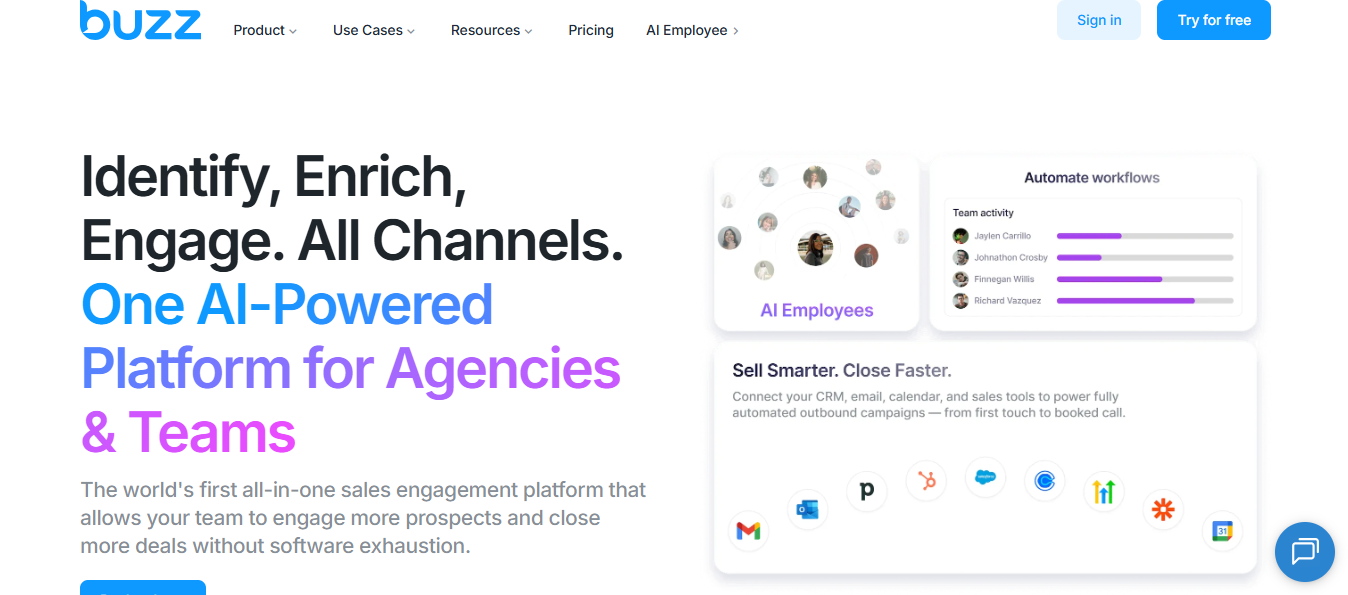
Buzz.ai is a sales outreach platform built for teams that want prospecting and engagement to sit closer together.
Instead of using one tool to find leads, another to enrich records, another to run sequences, and another to track replies, Buzz.ai tries to bring those steps into one workspace. The platform includes prospect data, enrichment, email outreach, LinkedIn outreach, phone workflows, video, AI-assisted messaging, inbox features, and reporting.
At a practical level, Buzz.ai is trying to solve three problems:
First, it helps you find the right people and companies to target.
Second, it enriches those records with emails, phone numbers, company data, and other context.
Third, it gives your team ways to reach those prospects across multiple channels.
That is why Buzz.ai is more than a basic sequencing tool. It sits closer to a full sales engagement platform with built-in data and outreach workflows.
From a founder’s point of view, the appeal is easy to understand. When outbound is still messy, every extra tool creates another handoff, another login, another integration, and another place where data can break. Buzz.ai tries to reduce that coordination cost by keeping prospecting, enrichment, outreach, follow-ups, and reporting in one system.
But that is also where buyers need to slow down.
A platform can include a lot of features without every feature being equally strong. So the real question is not just, “Does Buzz.ai have this?” The better question is, “Is this part good enough to replace the dedicated tool I would otherwise use?”
That distinction matters because sales engagement platforms often look impressive on the surface. The value comes from how reliably the core workflow performs once your team starts sending campaigns, managing replies, and scaling activity across accounts.
Buzz.ai is not trying to be a narrow point solution. It is trying to replace or combine several parts of a sales team’s outbound stack.
That is why the product can feel attractive to agency teams, recruiting teams, founders, and sales teams that want coverage across many touchpoints.
But from a cold email perspective, replacing several sales tools only works when the core sending layer is solid.
Domains, mailboxes, warm-up, bounce control, list quality, message quality, and reply routing still decide whether the campaign creates a pipeline.
Buzz.ai has a long feature list. A useful way to review it is by workflow, not by menu item.
For most teams, the workflow is:
Buzz.ai covers many of those steps. The question is how much control you need at each step.
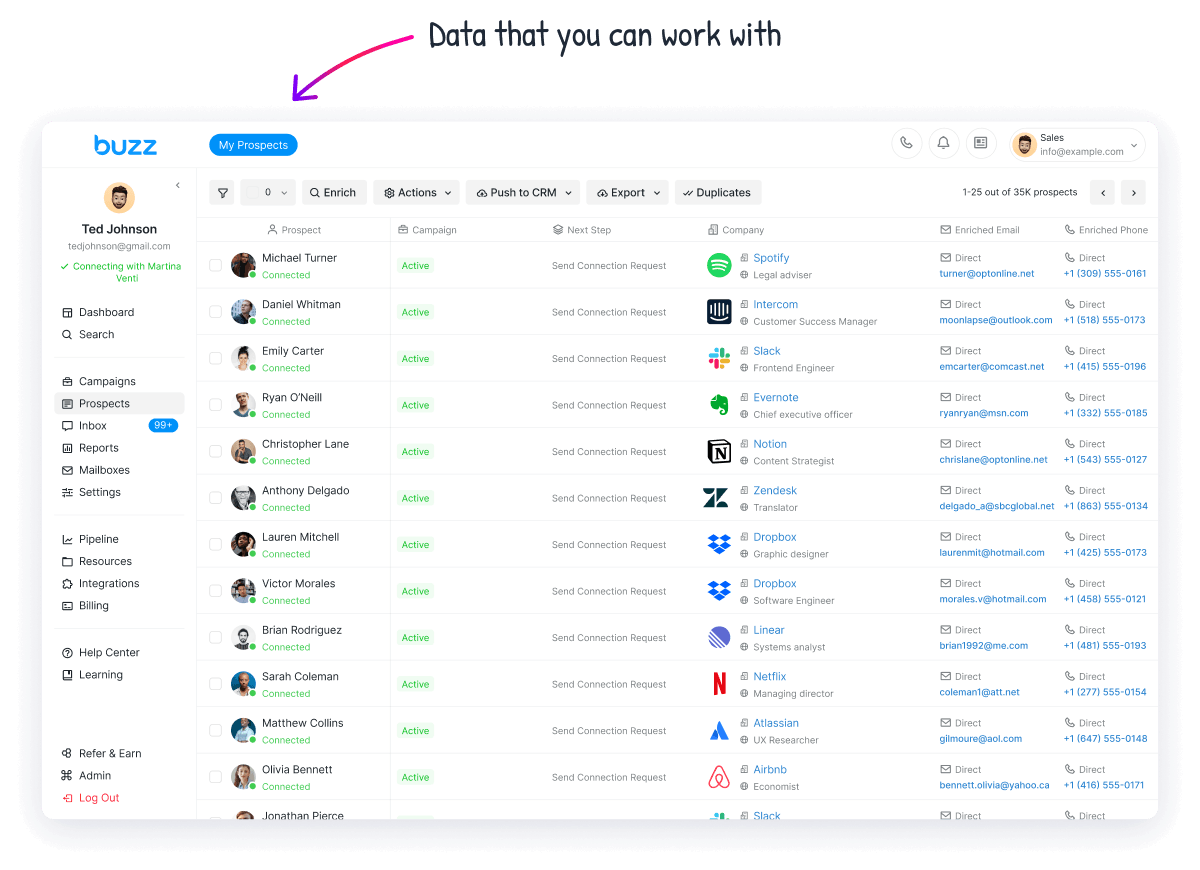
The question that matters here is not how large the database is. It is whether the records are accurate enough to send against.
Buzz.ai claims hundreds of millions of B2B leads, with verified emails, phone numbers, funding, company size, and industry fields.
That gives you a clear place in the stack: a way to move from a raw account idea to a usable contact record without buying a separate data tool.
A user shares how Buzz.ai helped them talk to people they would not have been able to contact easily. That is the right sign. The platform can widen access.

But a big database is not proof of clean data. If the emails bounce or the titles are stale, you pay for it downstream in wasted sends and low replies.
So before you commit, pull 50 accounts your team already knows well and check how many decision-makers are accurate and reachable.
If most of them pass, this is a real strength. If they do not, no amount of volume fixes it.
Verdict: useful for widening access, but treat the data as a starting point you verify, not a finished list you trust.
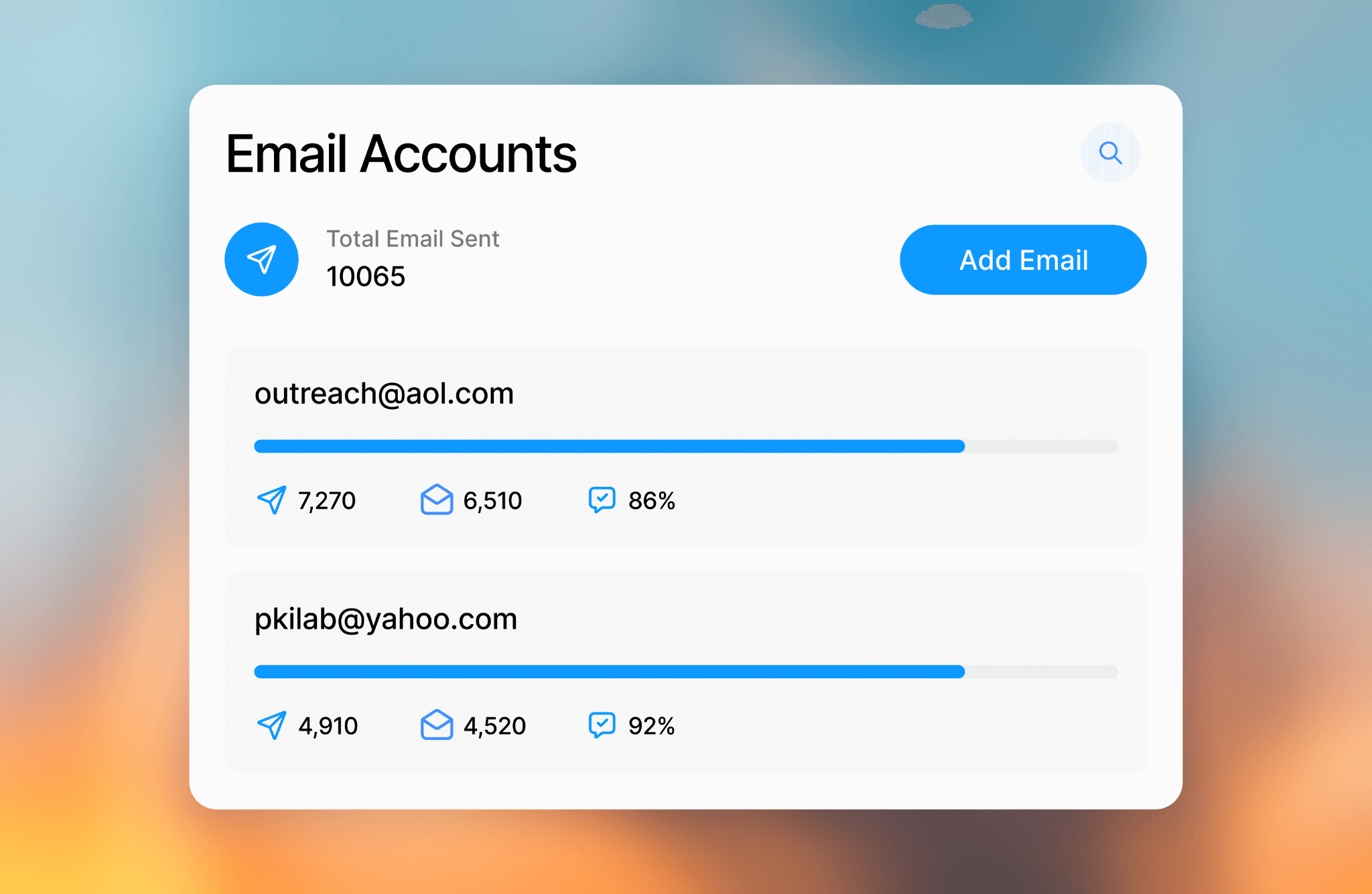
Email is where an all-in-one platform either holds up or quietly costs you pipeline, so this is the part to inspect closely.
Buzz.ai runs email outreach with verification, warm-up, reporting, inbox views, and automated sequences.
It connects inboxes through Gmail, Outlook, AWS, SMTP, and SendGrid. That is a working email setup, not a contact list with a send button.
The limit shows up when you scale. Buzz.ai connects mailboxes you already own and warms them, but it does not provision new domains or mailboxes, and there is no sign of sender rotation across a large pool.
For a team sending a few hundred emails a week, that fits.
For a team whose main channel is high-volume cold email, the ceiling arrives fast, and that is exactly the seam where a deliverability-led platform pulls ahead.
Verdict: solid for supporting volume, thin for teams that need email as the primary engine at scale.
5 Tools To Automate Your Sales Workflow in 2026
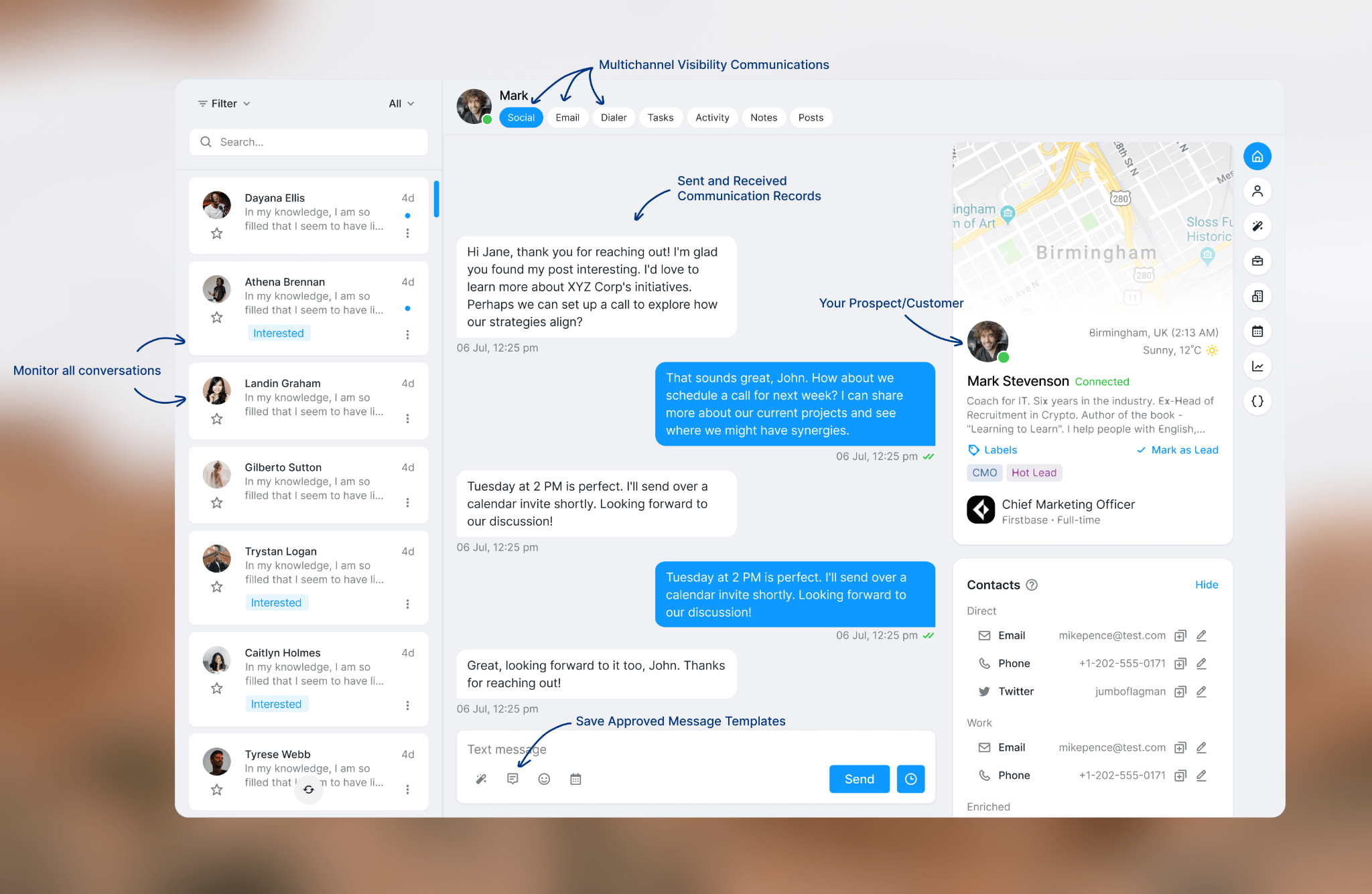
The right reason to run multi-channel is not more touches. It is reaching a prospect where they actually respond, without the channels talking over each other.
Buzz.ai has a strong LinkedIn and social angle: Sales Navigator filter searches, lists, recruiter projects, posts, events, groups, CSVs, connection workflows, and pushing contacts into sequences.
Several users name LinkedIn as the main reason they like the product, and that lands for teams already built around social outreach.

The caution is restraint. A platform letting you run more activity does not mean each account should. Account age, connection rate, profile quality, and daily limits all decide whether the profile survives.
The feedback here is mixed, with one enterprise user liking the automatic LinkedIn connection but reporting disconnects that ask for a PIN and login.
That is the kind of friction you want to find in a pilot, not after every sequence lives in the tool.
Verdict: a genuine strength for LinkedIn-led teams, provided you pace the activity instead of maxing it.
👉 Run LinkedIn and email outreach from one platform with Salesforge
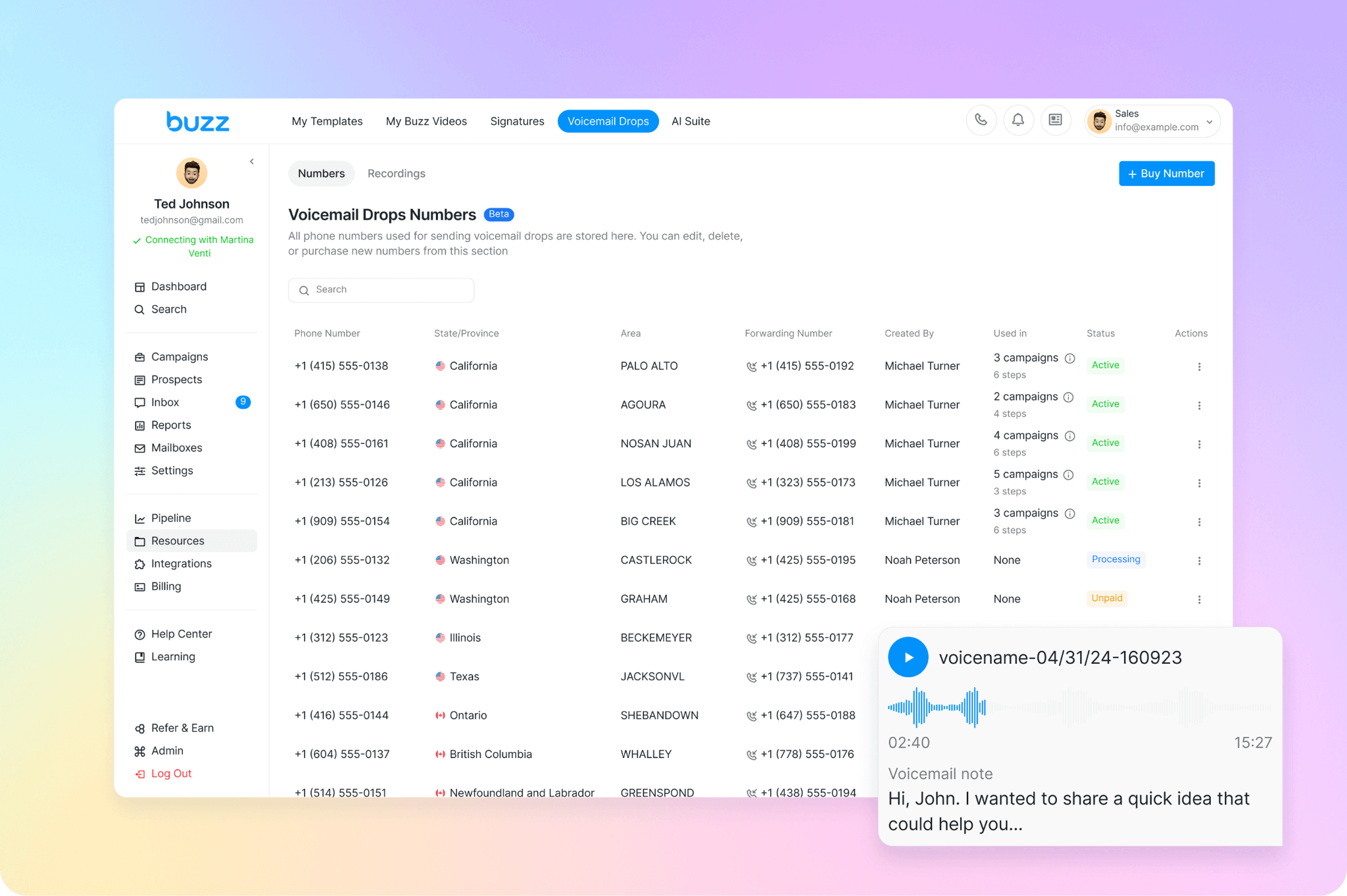
These channels earn their place only when the account is worth the extra effort, so the question is fit, not availability.
Buzz.ai is broader than most email-only tools because it adds phone, SMS, and video.
The dialer covers local calling, inbound call forwarding, call recording, manual calling tasks, and voicemail drops.
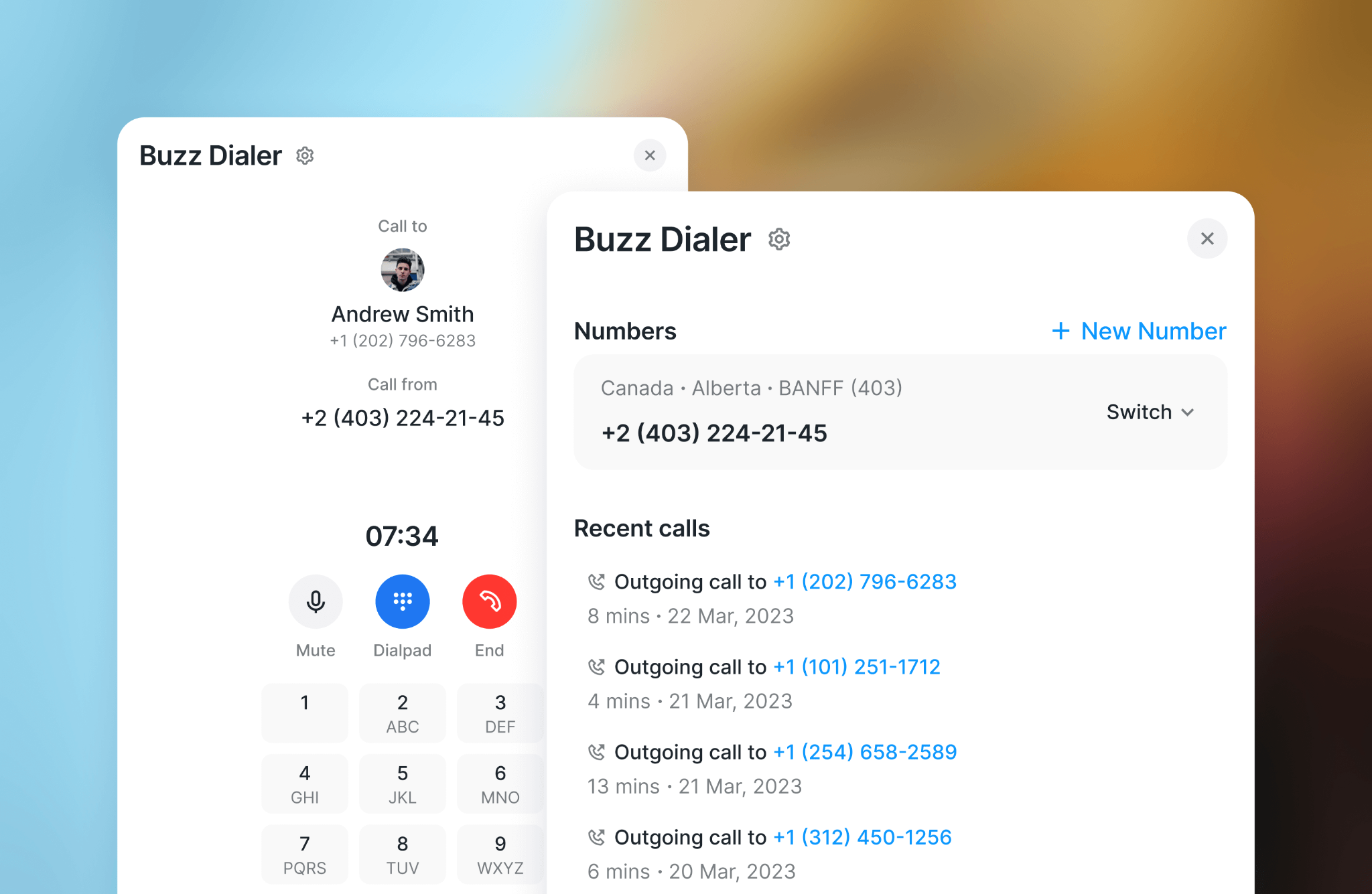
The video side includes templates, recorded backgrounds, and personalized video steps inside a sequence.
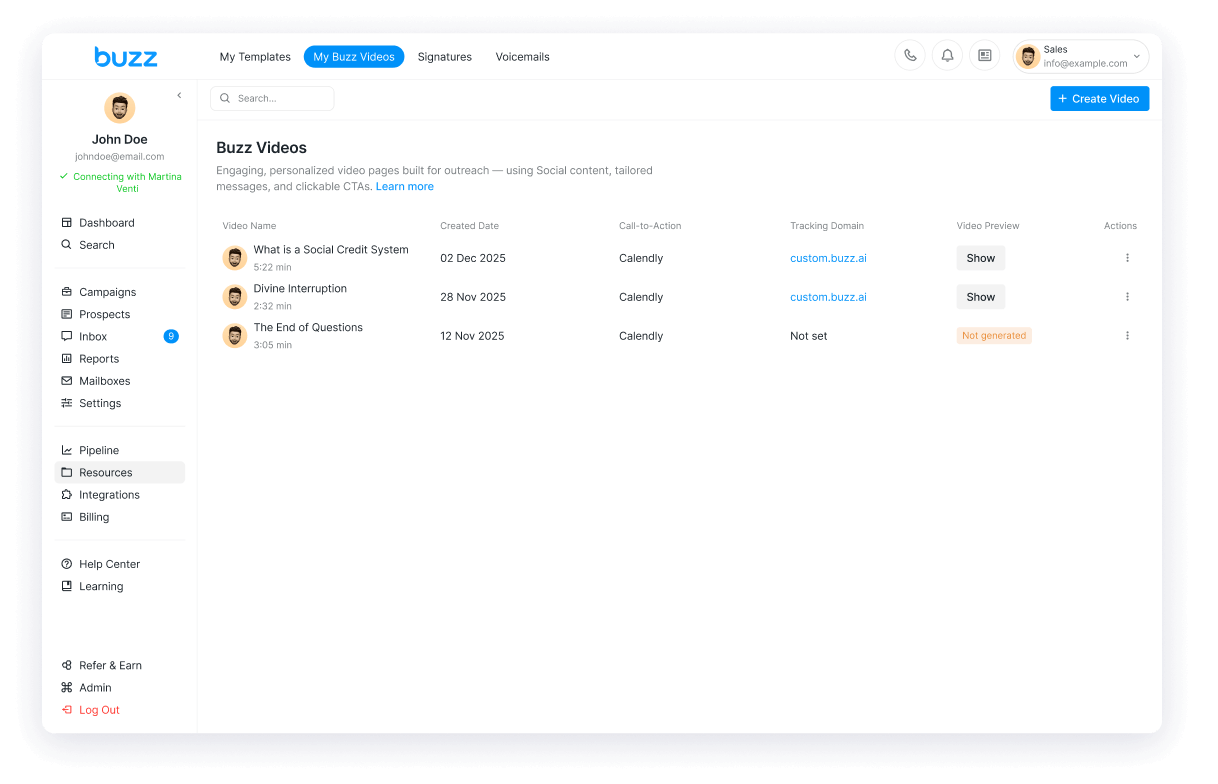
That breadth helps teams selling into markets where email alone falls short: a call after a LinkedIn view, a voicemail after two email touches, a short video to explain a product.
But a dialer does not fix a weak list, and video does not fix a weak offer. Extra touchpoints only help when each one has a reason to exist.
Verdict: worth it for high-value accounts and multi-touch motions, wasted spend on low-fit lists.
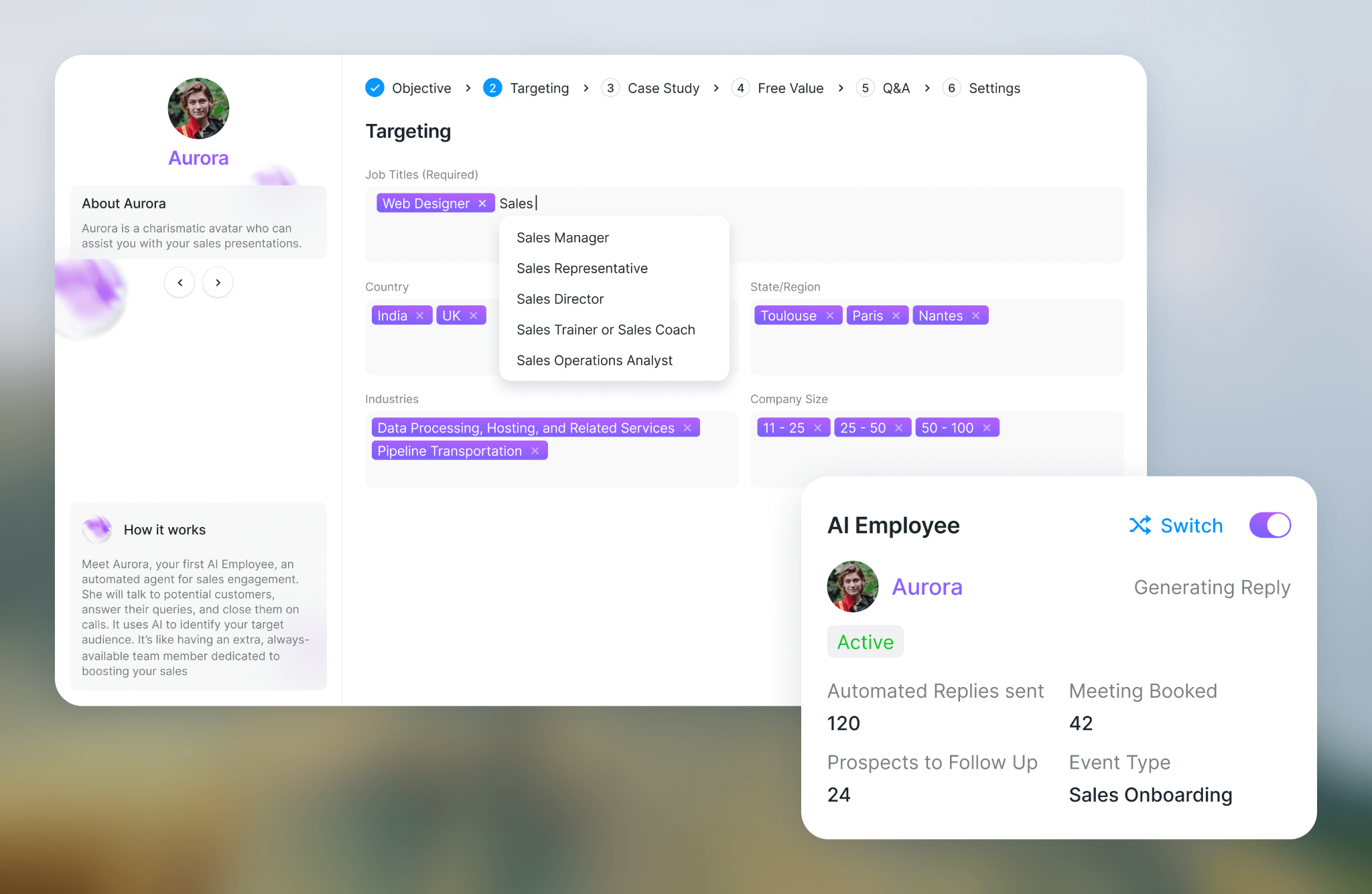
AI personalization should reduce manual work without removing the judgment that makes a message land. That is the line to watch.
Buzz.ai includes inbox sentiment labels, AI reply generation, AI campaign creation, one-to-one icebreakers, AI comments, calling scripts, and message help.
Used as an assistant that speeds up first drafts, reply suggestions, objection handling, and conversation sorting.
The risk is polished but empty outreach. AI can make a message read clean while saying nothing specific, which is worse than a rough message with a real reason to reach out.
A simple test: take 20 AI-generated first lines and count how many are accurate and usable without edits.
If fewer than half pass, keep the AI out of live sequences and use it for drafts only.
Verdict: helpful for scaling a good message, risky if you let it manufacture relevance that is not there.
5 Best Practices to Improve Sender Reputation
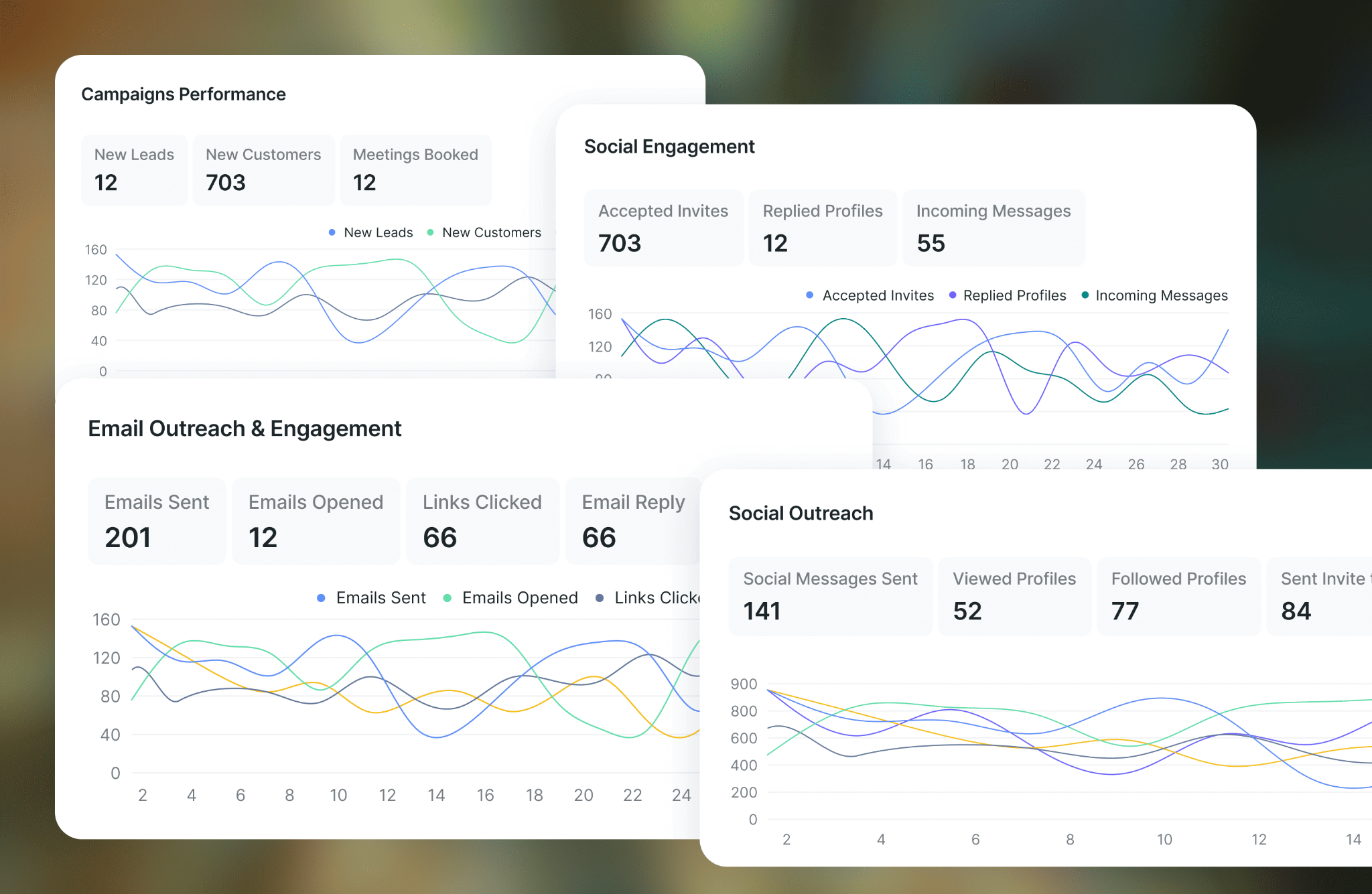
Reports are not the point. Better sending decisions are. So judge the analytics by whether they change what your team does next.
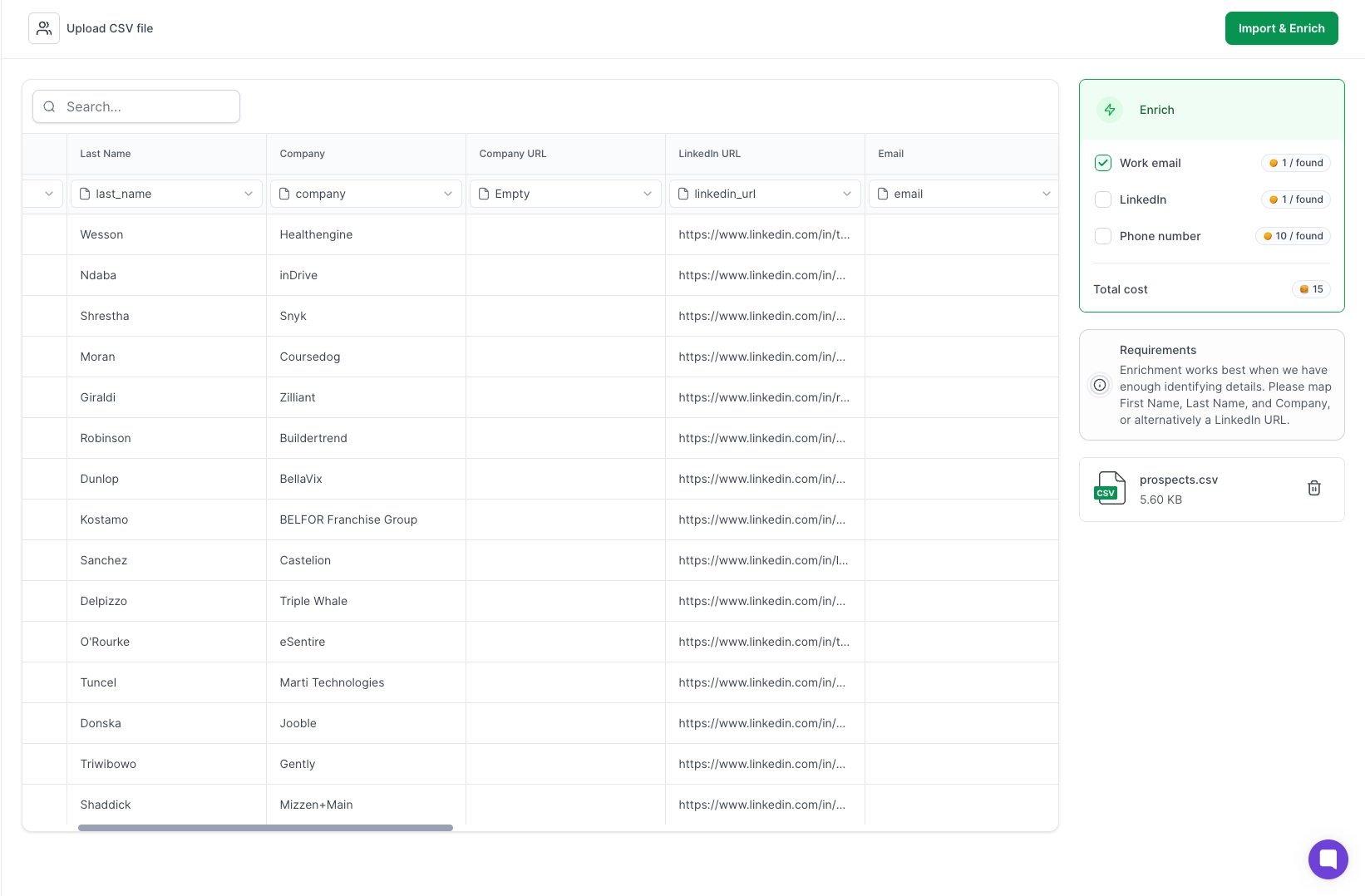
Buzz.ai gives you automated reports, dashboards, campaign metrics, opens, replies, real-time insights, and mobile reporting.
One user said it helped them see which campaigns were working and where to refine their strategy, which is the right use of reporting.

The caution is what you optimize toward.
Opens are noisy, and chasing them pulls attention from the numbers that predict pipeline: replies, positive replies, bounce rate, and meetings booked.
Good reporting should tell you which list to pause and which message earned a real response, not just fill a dashboard.
Verdict: sufficient for the decisions that matter, as long as you read outcomes instead of vanity metrics.
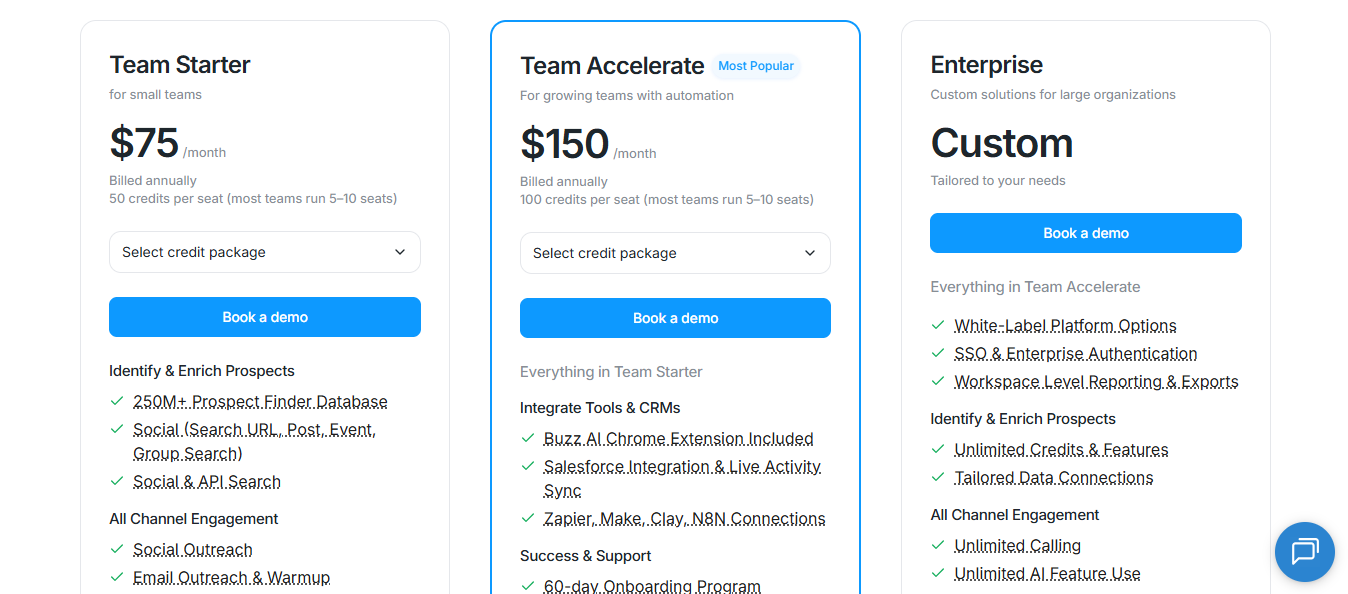
Buzz.ai runs three annual plans, priced per seat:
Watch two things. Pricing is per seat, and most teams run 5-10 seats, so the real cost is 5-10x the sticker price.
Credits cap AI, enrichment, and dialer use, so heavy users on lower tiers can run out mid-month.
Buzz.ai wins when the job is volume outreach across channels, backed by heavy support.
The strongest user evidence points to reach. Multiple users mention the same thing: the platform puts them in front of people they could not find alone.
A small-business user said Buzz let them see many more possible contacts than they could on their own.

Another user put it more plainly: it specifies the search, and now she talks to people she would not be able to contact easily.

So the core pull is not clever features. It is access. Buzz widens the top of the funnel.
Chad B., a founder, took that further. He said Buzz helps him reach hard-to-reach prospects, generate millions in pipeline, and grow his LinkedIn network by reaching out to 15-25 new contacts daily, multiplied across his team.

That is the correct Buzz.ai pitch. More reach, run across more people, from one place.
LinkedIn is one of Buzz’s core strengths. A VP Marketing called it effective for managing connections and outreach on a larger scale.

A Director of Operations liked the automatic LinkedIn connection and shareable setups across colleagues.

LinkedIn OutReach Automation Tutorial (step-by-step guide)
Buzz.ai's limit is the same thing that makes it attractive: breadth over depth.
The clearest warning came from an SDR manager. He said the HubSpot sync does not always work correctly and often needs manual intervention, and that duplicate or error-prone data shows up in sequences.

He also flagged confusing user management and no Spanish support.
That is the concern for any team that depends on clean CRM handoffs. Bad sync downstream breaks reporting, no matter how good the reach is upstream.
LinkedIn stability is the second soft spot. A Director of Operations liked the automatic connection but said it sometimes turns yellow and asks for a PIN and login.

A VP Marketing said the system occasionally needs attention to keep running smoothly.
Those are the frictions you want to find during a pilot, not after every sequence lives in the platform.

And Buzz is not for everyone. A small-business reviewer whose work is relationship-led said the large-scale focus simply was not a fit, though she could see it working for organizations chasing volume.

Buzz.ai and Salesforge both run email and LinkedIn outreach, but they solve different problems.

Buzz.ai is breadth-first. It puts prospecting, enrichment, email, LinkedIn, dialer, video, and AI help in one app. The goal is to end tool sprawl and run more activity from one place.
Salesforge is infrastructure-first. It treats outbound as an execution problem and builds around the sending layer: domains, mailboxes, warm-up, deliverability, unified replies, and AI SDR work.
That difference decides the buy.
Buzz covers channels Salesforge does not lead with: a built-in dialer, SMS, and video.
If your motion needs a call after a LinkedIn view or a video to warm a reply, Buzz has those steps inside one platform.
It also connects your existing Gmail, Outlook, and SMTP mailboxes, which is enough for a small team to start fast.
Buzz asserts deliverability but connects mailboxes you already own. It has no domain or infrastructure of its own.
So the moment you scale volume, you are back to buying domains and managing sender health elsewhere. The all-in-one promise stops where cold email gets hard.
Salesforge closes that gap because the Forge Stack owns each layer that breaks under volume.
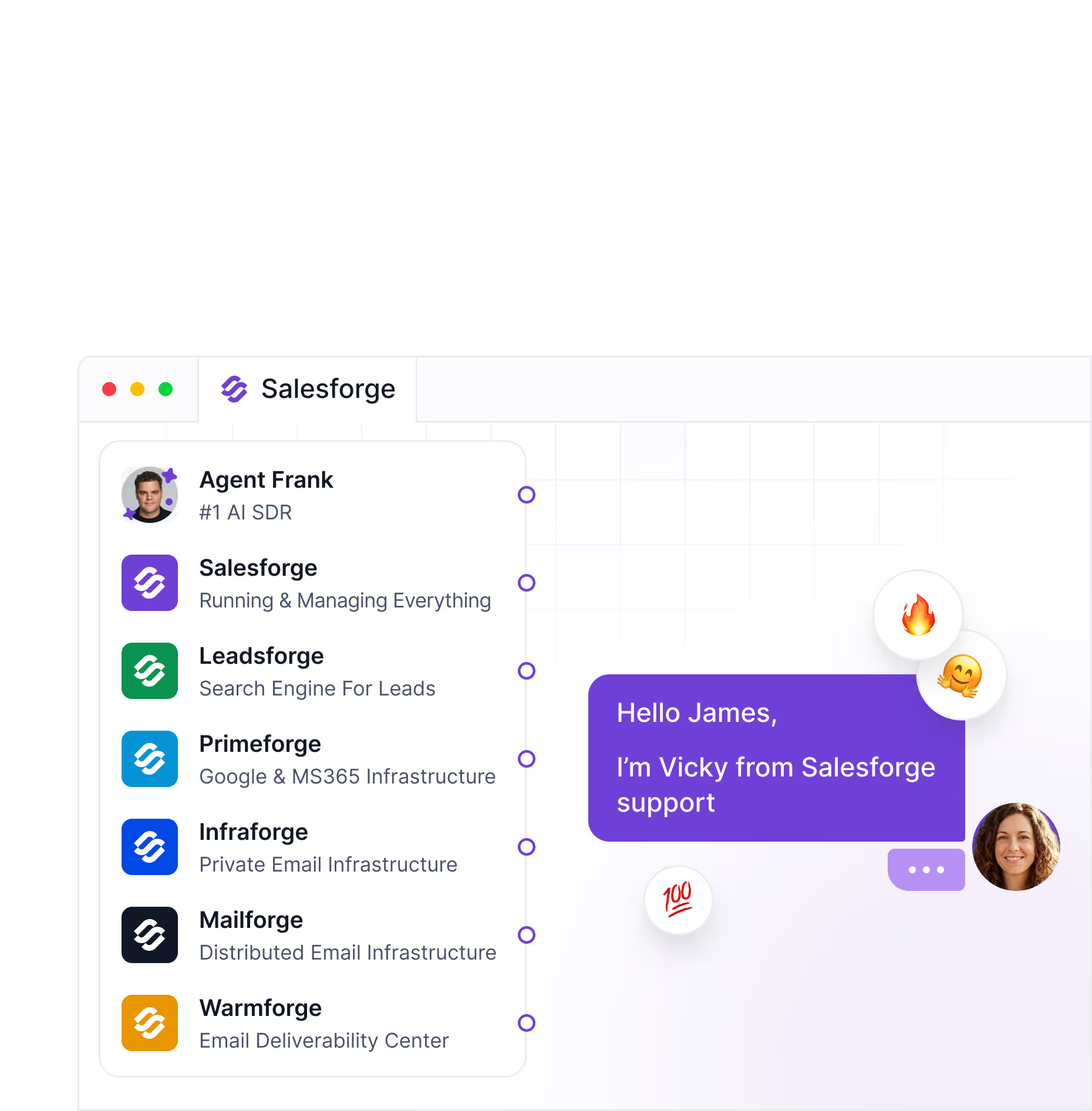
Primeforge and Mailforge provision your mailboxes, so you stop capping outreach at the few inboxes you already have and stop burning your main domain.
Infraforge adds a private multi-IP infrastructure, so sending risk spreads across IPs instead of one reputation.
Warmforge warms those mailboxes in a closed pool that blocks outside SMTP vendors, so your warm-up is not sharing space with spammers.

Leadsforge pushes enriched, intent-scored lists into the same system that sends them, so targeting stays clean.
Salesforge sits on top and runs it: unlimited mailboxes and LinkedIn senders, email and LinkedIn in one sequence, replies handled in one place.
Teams with the correct setup report reply rates between 10% and 30% at scale.
Primebox then centralizes email and LinkedIn replies across every mailbox, external inboxes included, so a warm lead never gets lost at ten or fifty senders.
This is where the two stop being comparable. Buzz uses AI to draft replies and icebreakers, but a person still runs the sequence and works the inbox. Agent Frank runs the outbound all by himself.
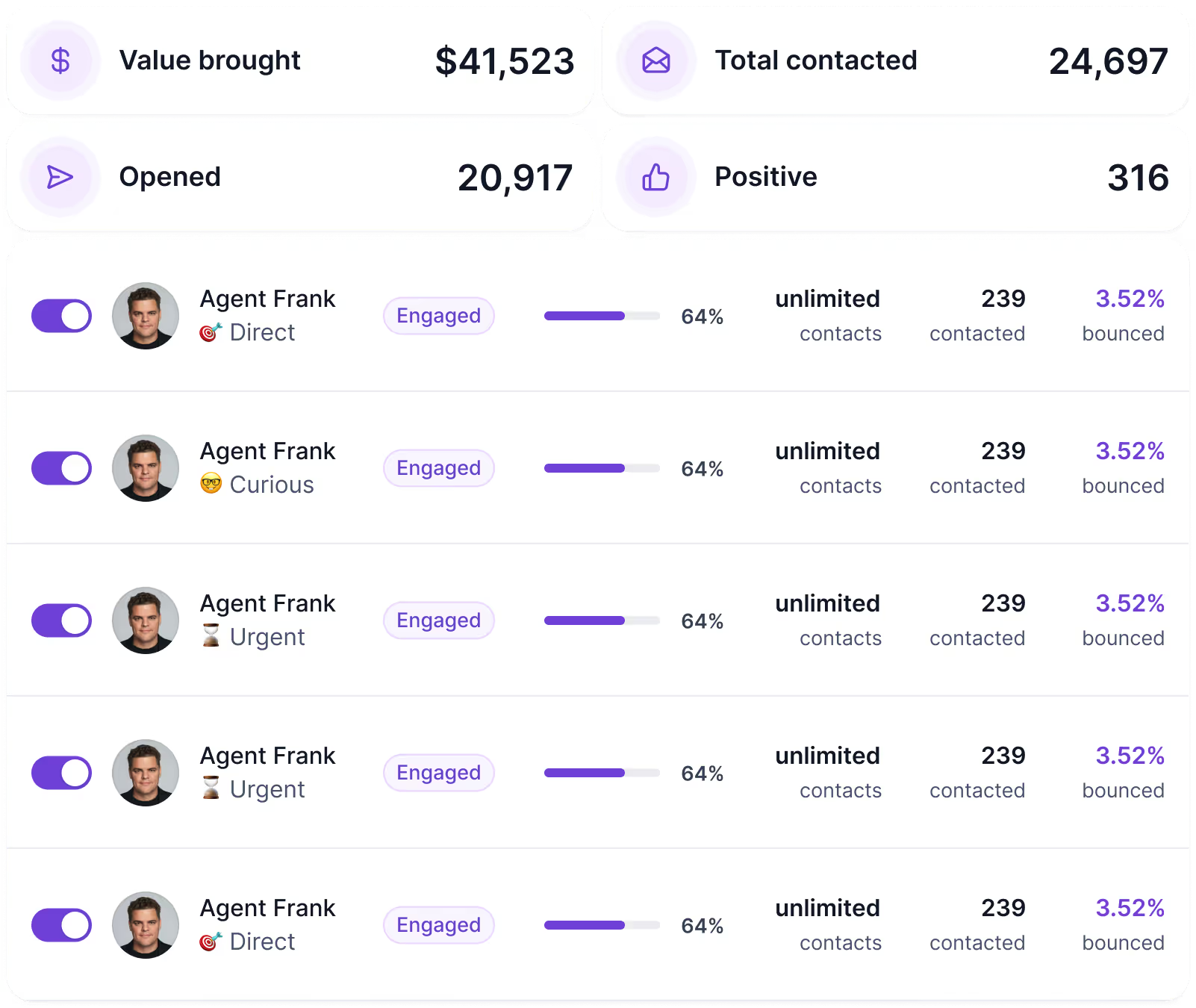
You set the ICP, goals, and guardrails, and he finds prospects, enriches them, writes, follows up, manages replies, and books meetings across email and LinkedIn. Buzz makes your rep faster at the same tasks.
Frank removes the tasks. One is a tool your SDR uses. The other is the SDR, at a cost that does not scale with headcount.
Salesforge exposes the whole Forge Stack through an MCP server.
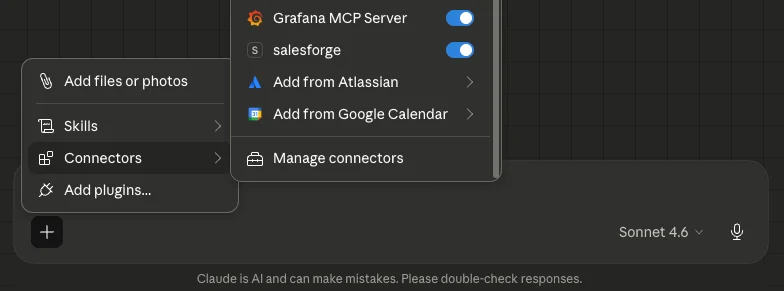
Connect it to an assistant like Claude and run outbound in plain language:
Keys stay on your machine, and tools appear only for the products you use.
Buzz has no equivalent. Its AI lives inside the app and operates within it, but you cannot hand the full workflow to an external assistant.
How to Automate Cold Email With Claude Code and Salesforge MCP
Enter your email to get a custom plan & stack recommendation for your business
Please check your mailbox in 5 minutes
Buzz.ai is a solid choice for teams that want to run prospecting, email, LinkedIn, phone, video, and AI-assisted outreach from one platform. It brings a lot of the outbound process together, and users consistently praise its reach and support.
If your priority is coordinating activity across many channels, Buzz.ai is worth considering.
But if your priority is booking more meetings through cold email and LinkedIn at scale, I'd also look at Salesforge.
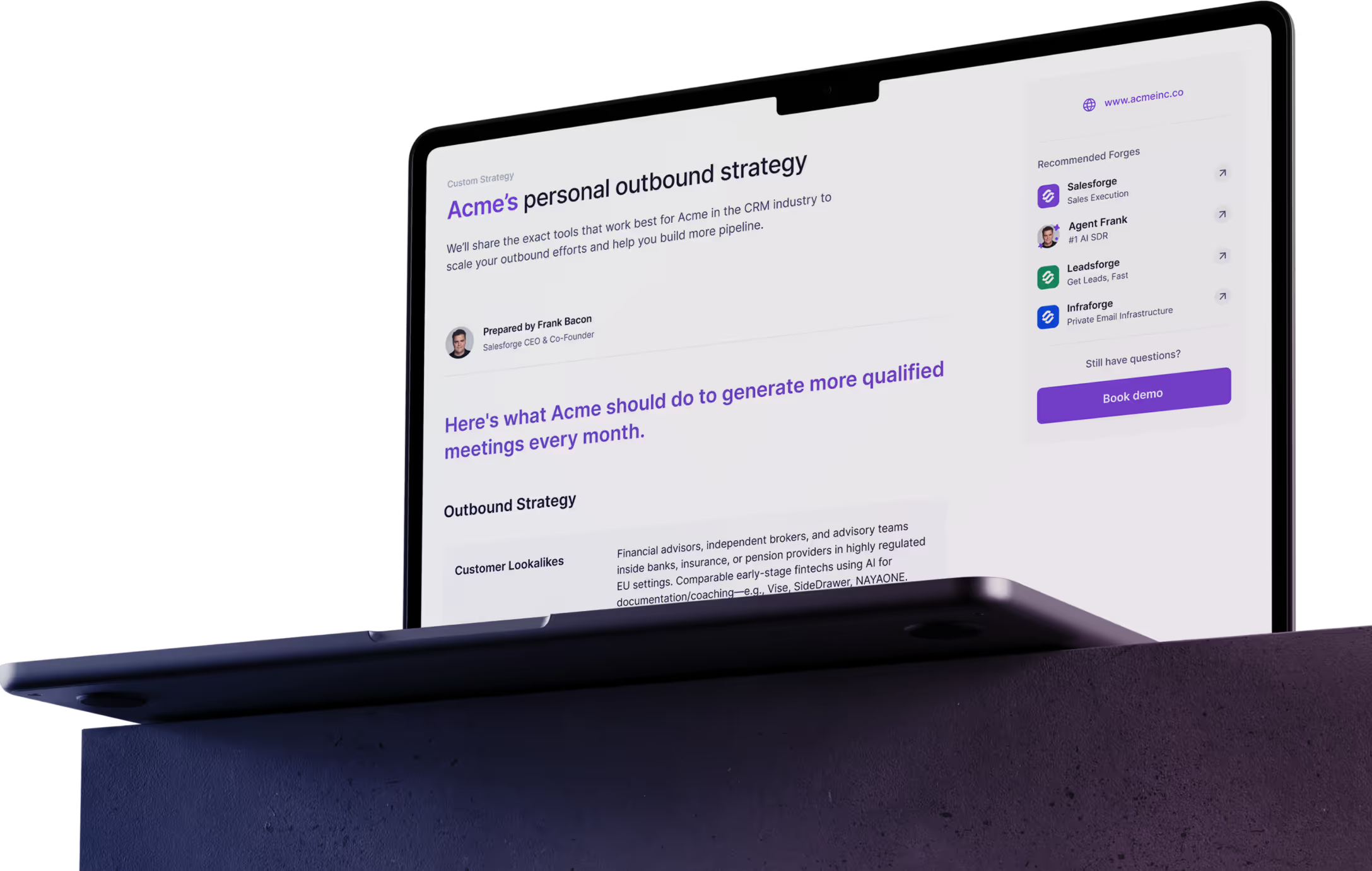
It's built specifically for outbound and gives you owned infrastructure, warm-up, unlimited mailboxes, and unified replies to scale outreach while protecting deliverability.
If outbound is your biggest growth channel, I'd try Salesforge first. The free 14-day trial lets you see how its deliverability, multichannel outreach, and reply management fit your workflow before committing.
.jpg)

.jpg)

.jpg)
