If you're a real estate agent, you've probably had those weeks where it feels like everyone else is closing deals while you're wondering where your next client is coming from.
I've worked with sales teams for years, and one thing I've learned is this:
Generating clients isn't about luck. It's about having a system that consistently puts you in front of the right people.
In this guide, I'm sharing the seven client acquisition strategies to get clients for real estate business.
I will be breaking down each strategy to understand works best, the common mistakes to avoid, and how to start using it right away.
Let's get into it.
If you are short on time, here is the quick view of what each strategy is best for, how much effort it takes, and how fast it can bring you your first client.
| # | Strategy | Best For | Effort Level | Speed to First Client | Recommended Tool |
|---|---|---|---|---|---|
| 1 | Cold Outreach | Building a predictable, scalable pipeline | Medium (setup-heavy, then automated) | 2–4 weeks | Leadsforge + Salesforge |
| 2 | Sphere of Influence (SOI) | Leveraging your existing network | Low | 1–3 weeks | Spreadsheet or CRM |
| 3 | Host Open Houses | Meeting motivated buyers face-to-face | Medium | 1–4 weeks | Brokerage listings, printed handouts |
| 4 | Geographic Farming | Becoming the go-to agent in a local area | High (requires consistency) | 3–6 months | Direct mail, door knocking |
| 5 | Short-Form Video | Building a personal brand online | Medium (creative time) | 2–6 months | Phone camera, CapCut |
| 6 | Google Business Profile | Increasing local search visibility | Low | 4–8 weeks | Google Business Profile |
| 7 | CRM + IDX Website | Scaling lead management and follow-up | Medium | Compounding over time | LionDesk, Follow Up Boss, brokerage CRM |
Get Your First 100 Real Estate Leads FREE
Below is my full breakdown of each strategy. I have ordered them from the most controllable to the most long-term.
That way you can start with whatever fits your current situation best. Each section explains the strategy in plain language and walks through how to actually apply it.
I have also called out the exact tools I would use for each strategy.
The first strategy I would recommend is also the most powerful. It is also the one most real estate agents either avoid or do poorly. It is cold outreach.
If this is the first time you are hearing the term, here is what it actually means.
Cold outreach is the practice of contacting people who do not know you yet, using channels like email, LinkedIn, and phone, to start a business conversation.
In real estate, that could mean reaching out to:
The reason cold outreach works so well is because you control who you talk to, when you reach out, and how often.
You are not waiting for someone to walk into your open house or click on your Google Business Profile. You are going directly to the people who fit your ideal client profile.
But cold outreach done wrong looks like spam. And cold outreach done right looks like a well-researched, personal message that lands in the right inbox at the right time. The difference is in the setup.
Recommended Read: Complete Guide on Cold Email
Here is how I would do it in three clear steps with my go to lead generation stack.
Before you send a single email or call you need a list of the right people. Without that, everything downstream falls apart.
This is where Leadsforge comes in.
Leadsforge is a lead search engine with over 500 million contacts. It uses an AI-based interface, so you do not need to fight with complicated filters.
You describe your ideal client in plain language, and it returns a matched list with verified emails, phone numbers, and LinkedIn profiles.
For real estate specifically, you can describe prospects like:
Leadsforge then pulls a verified list of contacts matching your description.
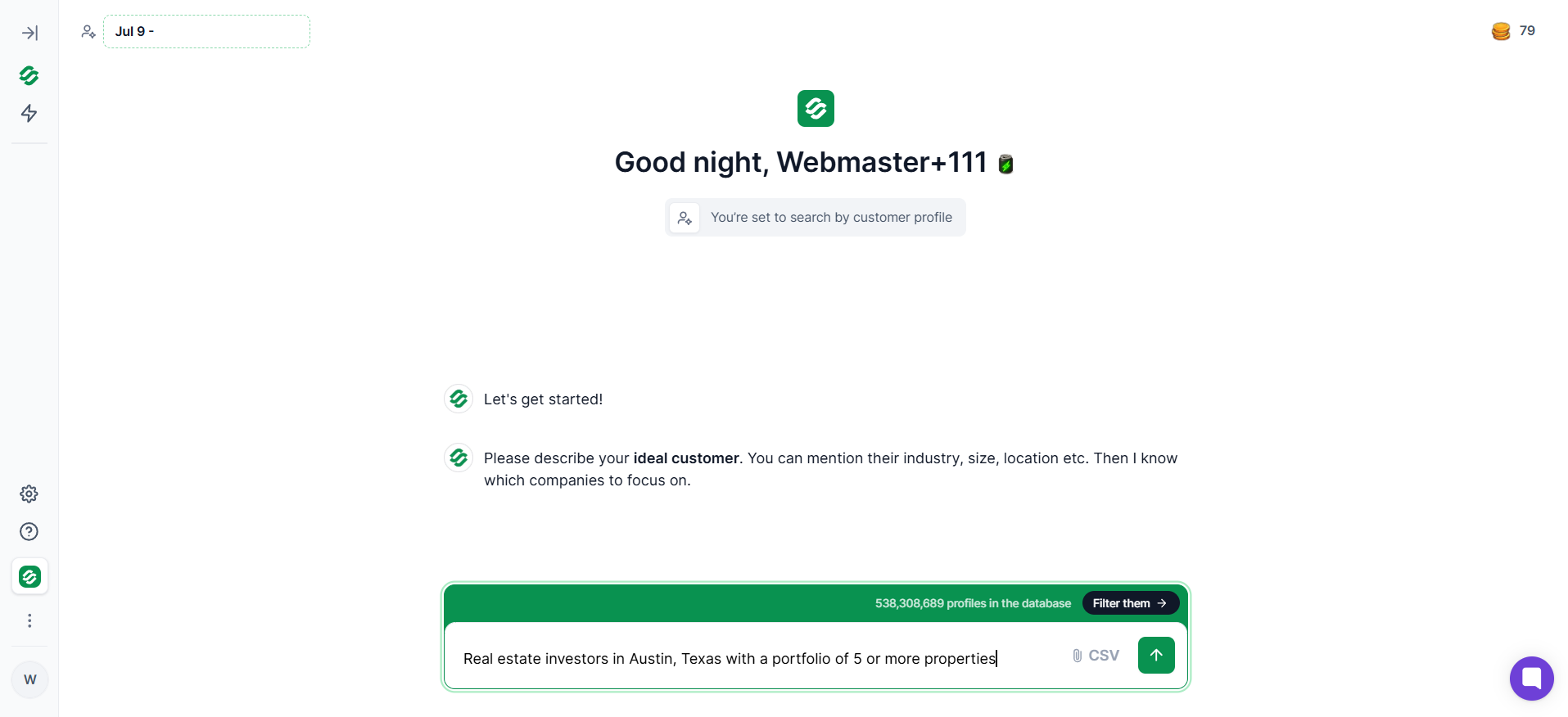
The reason this matters for you is because most real estate agents waste hours scraping LinkedIn, buying stale lists, or chasing outdated referrals.
With one prompt, you can build a targeted list of hundreds of decision-makers in minutes.
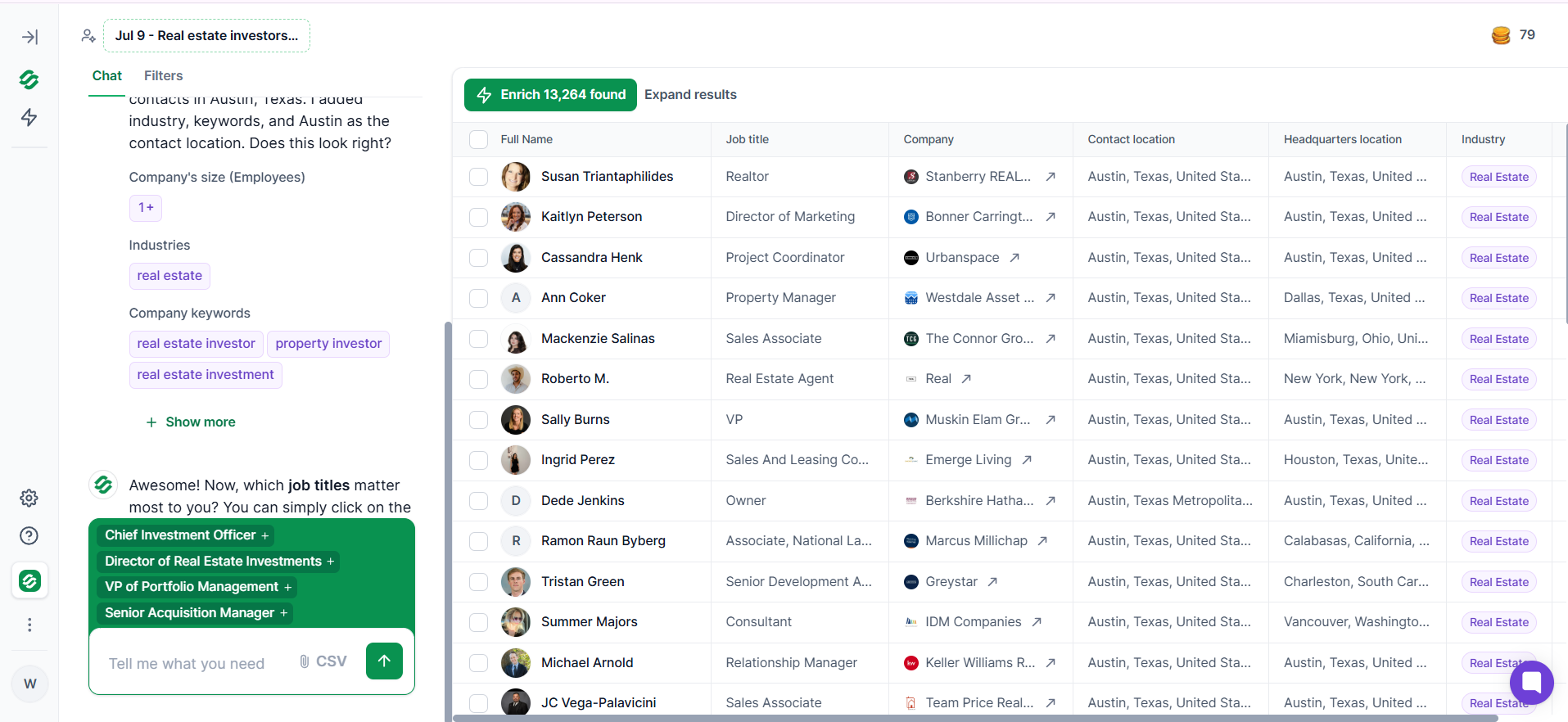
There is one more feature I want you to know about, and it is called waterfall enrichment. Instead of pulling contact data from a single source, Leadsforge checks multiple providers to verify each email and phone number.
This means fewer bounces, fewer wrong numbers, and higher connect rates when you actually start reaching out.
You can sign up for Leadsforge and get 100 free credits to test the tool before paying anything.
Once your list is ready, you can push it directly into Salesforge to start outreach in the next step.
Once you have your list, the next step is to actually reach out. This is where most real estate agents either burn out from doing it manually or damage their sender reputation by using the wrong tools.
The tool I would use here is Salesforge. It is a multi-channel outreach platform, which means you can run email and LinkedIn sequences from the same dashboard without paying per user.
You import your list from Leadsforge with one click, write your sequence, and let the tool handle the sending.
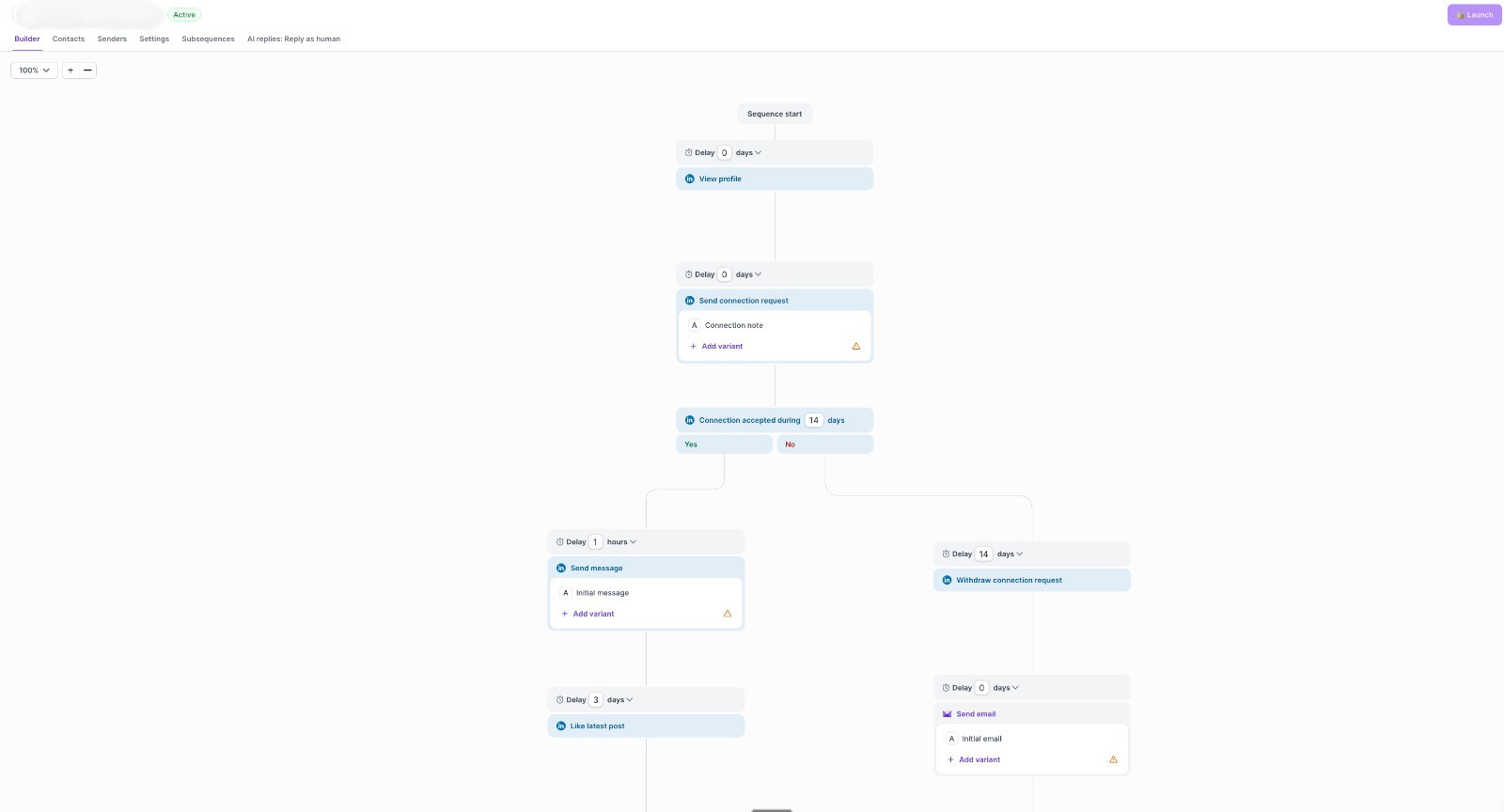
If writing all of this sounds intimidating, you can pull ready-made structures from cold email templates that actually get replies.
It walks through subject lines, hooks, and calls to action you can adapt for a real estate audience.
For LinkedIn specifically, there are some rules that email does not have. You cannot send hundreds of messages a day, and LinkedIn actively restricts accounts that behave like bots.
I broke down what actually works in LinkedIn outreach space and it is worth reading before you start.
The reason Salesforge stands out here is because it gives you unlimited mailboxes and unlimited LinkedIn senders on a flat fee.
You are not paying per seat, which means you can scale your outreach as your business grows without your bill doubling every time you add a domain or a team member.
There is also an AI SDR built into the platform called Agent Frank.
If you would rather have an AI teammate handle the entire outbound motion, from prospecting to following up to booking meetings, Agent Frank does it in Auto-Pilot or Co-Pilot mode. You can hire Agent Frank directly if you would prefer to focus on closing rather than writing emails.
Here is the part almost every new real estate agent gets wrong. They send one email or one LinkedIn message, hear nothing back, and assume the prospect is not interested.
The reality is that most replies do not come from the first message. They come from the third, fourth, or fifth follow-up. Real estate is a high-consideration decision, and buyers or sellers often need to see your name a few times before they respond.
A solid follow-up rhythm looks like five to seven touches spread over two to three weeks, mixing email and LinkedIn.
Recommended Read: 8 Best Follow-up Software
The second strategy I would recommend is the one every real estate coach talks about, and for good reason. It works, especially when you are just starting out.
Your Sphere of Influence, or SOI, is the group of people who already know you. These are the warmest leads you will ever have because trust is already built in.
Your SOI includes:
Here's how to work your sphere of influence the right way—without resorting to the awkward, "Hey, do you know anyone buying a house?" message that so many new agents send.
Start by making a list of 100 to 150 people you already know. Don't overthink it or filter anyone out. Include family, friends, neighbors, LinkedIn connections, former coworkers, wedding guests, people from your gym, church, or community groups. You'll be surprised how quickly the list grows.
Then, over the next two to four weeks, reach out to each person individually. Skip the mass email or generic broadcast message. Instead, send a personal text, make a quick call, or start a genuine conversation. Catch up on what's happening in their life first, then naturally mention what you're doing now.
For example:
"Hey! I wanted to check in and see how you've been. By the way, I've started helping people buy and sell homes in the area. If you ever hear of someone looking for a real estate agent, I'd really appreciate an introduction."
The goal isn't to pitch your services or ask for business on the spot. It's simply to make sure the people in your network know what you do, so you're the first person they think of when a real estate conversation comes up.
This works because most people don't have a long list of real estate agents they trust. They usually know just one or two. By staying top of mind and building genuine relationships, you dramatically increase the chances that your name is the one they recommend when someone needs an agent.
The third strategy is one of the most underrated ways to find serious buyers, and that is hosting open houses.
The reason open houses work is because the people who show up are already actively looking.
They have taken time out of their weekend to walk through a property, which means they are much further along in the buying process than someone scrolling Zillow at midnight.
Now here is the twist most new real estate agents miss. You do not need to have your own listings to host an open house.
The fourth strategy is a long game, and it is called geographic farming. But it pays off for years once it starts working.
Farming means picking a specific neighborhood or community, usually 200 to 500 homes, and becoming the recognized real estate expert in that area. You are the person homeowners think of when they consider selling. You are the name that comes up at neighborhood barbecues.
Here is how to do it well. Start by picking an area where you can actually add value. Ideally, it is a neighborhood you know well, has decent turnover (5 to 8 percent of homes selling each year), and is not already dominated by another top agent. For commercial real estate decisions, average daily traffic counts can add roadway-volume context when comparing potential locations.
Once you have picked your farm, commit to consistent presence. That looks like:
The key word here is consistency. Farming does not work if you show up for one month and disappear. It works when you become a familiar face over six to twelve months. But once it clicks, you start getting listings without having to compete for them, because homeowners already know you.
The fifth strategy is the one most new real estate agents underestimate, because they think they need a professional camera setup. You do not need one at all.
Short-form video on Instagram Reels, TikTok, and YouTube Shorts, often shot on a phone or put together with an AI Video Generator like Higgsfield, is one of the most effective ways to build a personal brand as a real estate agent in 2026. The reason is simple. Buyers and sellers are already spending hours a day scrolling these platforms. If you show up consistently with useful, entertaining content, you can build an audience that trusts you before they ever meet you.
Here is what actually works, and what does not.
What works is content that gives people a reason to save or share:
What does not work is generic "hire me, I am a real estate agent" content. Nobody follows that. People follow personalities and expertise, and the sales come later.
The other thing to know is that consistency beats production quality. You do not need a fancy camera. A phone, decent lighting, and a willingness to post three to five times a week for six months will outperform a single polished video every month.
The sixth strategy takes about an hour to set up and pays dividends for years. It is setting up a Google Business Profile.
If you have not set one up yet, this should be one of your first moves. A Google Business Profile is what makes you show up in the local map pack when someone searches "real estate agent near me" or "[your city] realtor." It also lets clients leave reviews, which is one of the strongest trust signals a new prospect can find.
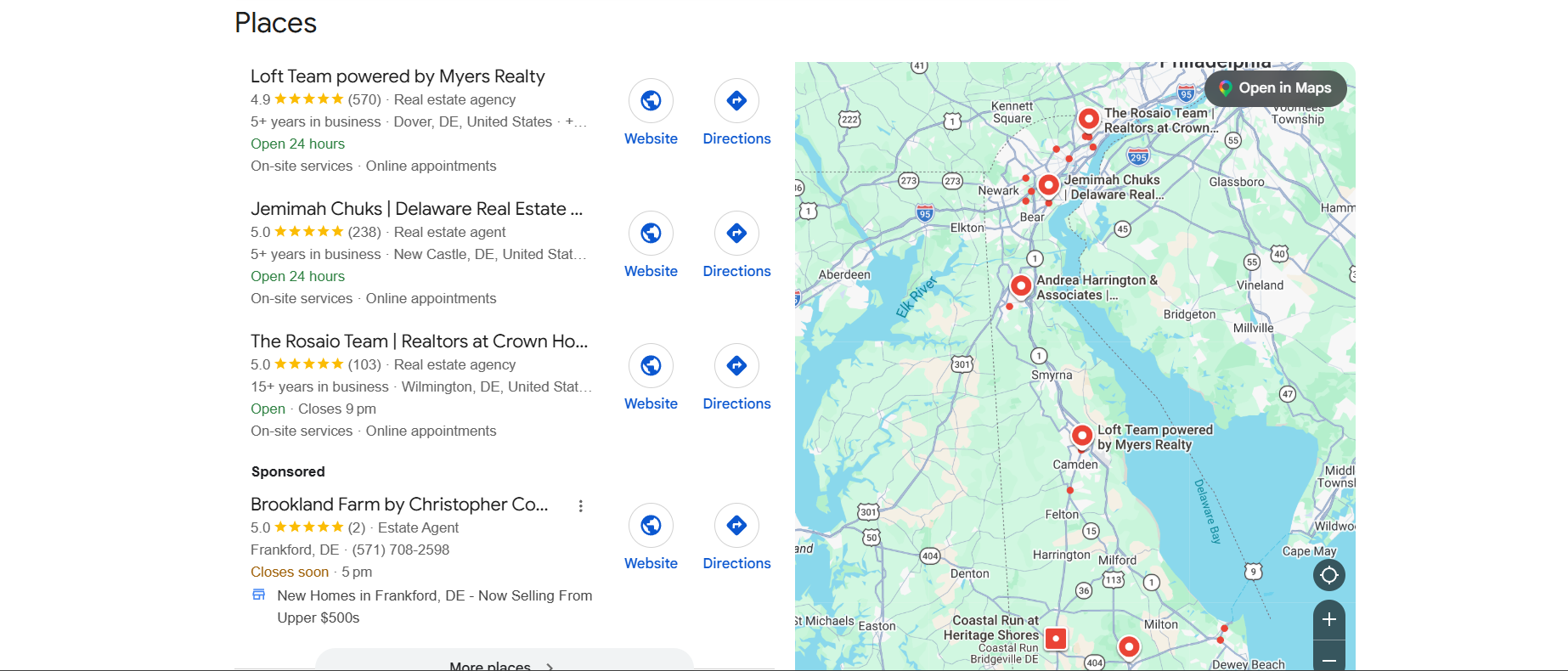
Here is how to make yours actually work:
The seventh and final strategy is the one that makes every other strategy on this list more effective. It is setting up a CRM and an IDX-enabled website.
Think about this scenario. Someone visits your open house and tells you they're planning to buy a home in six months.
You exchange numbers, but after a few weeks you get busy and forget to follow up. Six months later, they buy a home—but with another real estate agent who stayed in touch.
That is exactly the problem a CRM solves.
A CRM (Customer Relationship Management) system stores all of your leads in one place and reminds you when it's time to follow up. Instead of relying on memory or sticky notes, every conversation, phone call, email, and reminder is organized for you. Since most real estate clients take weeks or even months to make a decision, consistent follow-up can be the difference between winning and losing a deal.
For real estate specifically, popular CRM options include LionDesk, Follow Up Boss, and whatever CRM your brokerage already provides. The right one depends on your budget and how much automation you want.
The core CRM features you should look for include:
The second part of this strategy is having an IDX-enabled website. An IDX website displays live MLS listings directly on your website, allowing buyers to search for homes without leaving your site.
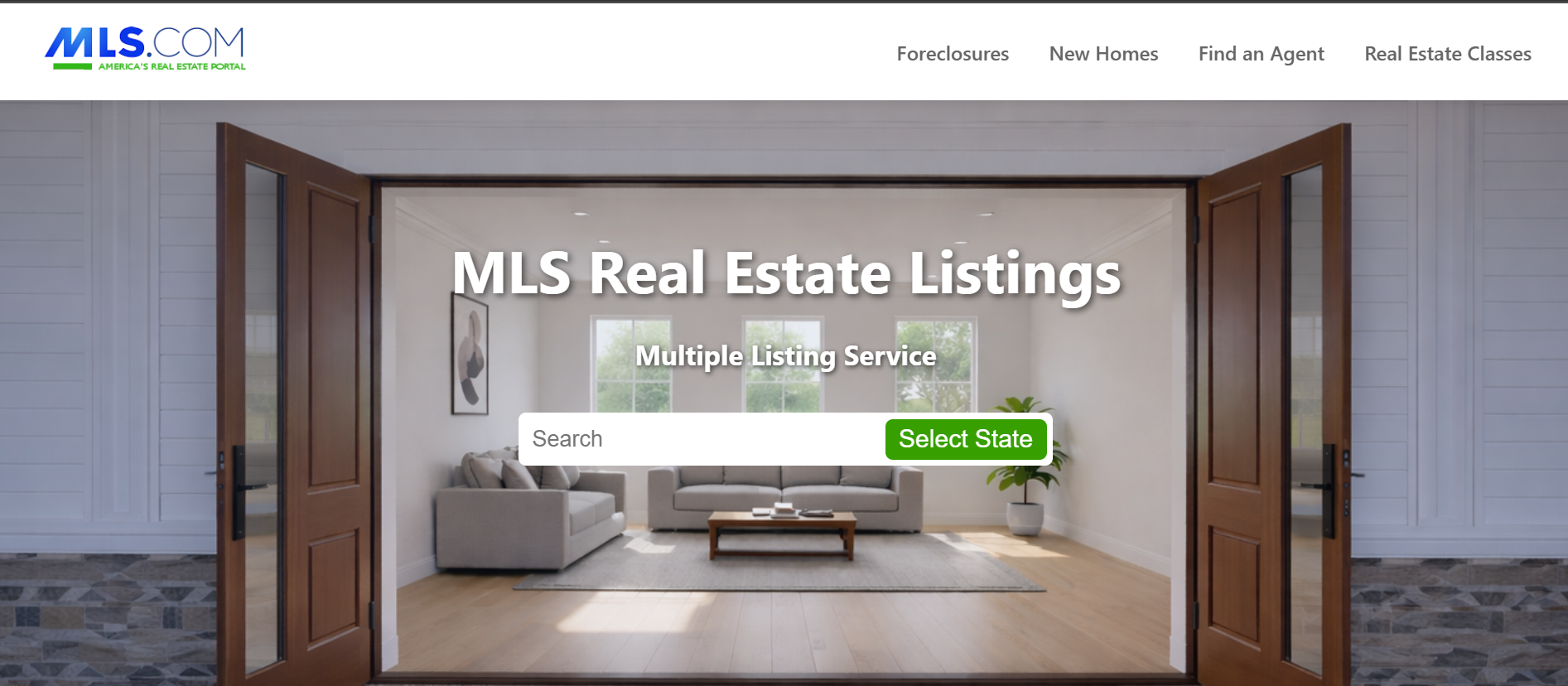
For example, imagine someone clicks your Instagram profile, visits your website, and starts browsing homes.
They save three listings and request more information about one of them. Instead of losing that visitor to Zillow or Realtor.com, their details are automatically captured and added to your CRM. Now you know exactly who they are, what neighborhoods they're interested in, and you can follow up with them at the right time.
The reason this strategy makes every other strategy more effective is simple. Most real estate leads don't convert after the first conversation. Someone you meet through an open house, or Google Business Profile might not be ready to buy or sell for another three to six months.
If you don't have a system to track and follow up with them, many of those leads will disappear. A CRM and an IDX website help you stay organized, nurture every lead, and convert more of the opportunities you've already worked hard to generate.
Before you commit to any of these seven strategies, be honest with yourself about a few things:
Answer those questions honestly, and the right starting point usually reveals itself. Most real estate agents I have worked with start with one of two things. If they have no network yet, they go straight to cold outreach for predictable pipeline.
If they already have a warm network, they double down on Sphere of Influence and Google Business Profile. Everything else on this list is a compounding play that gets stronger the longer you stick with it.
One rule holds no matter which strategy you pick. Set up a CRM from day one. Every real estate lead you generate needs somewhere to live, or you will lose more deals than you close.
If I had to pick one strategy for you to start with today, it would be cold outreach paired with a proper CRM. It is the only strategy on this list that gives you a predictable, controllable way to generate real estate clients without depending on referrals showing up, buyers walking in, or algorithms deciding to feature you.
Combine Leadsforge for building your prospect list with Salesforge for running email and LinkedIn sequences, and you can go from zero to a live outreach campaign in one week. If you want to hand the entire motion off, Agent Frank inside Salesforge can run it autonomously.
The other six strategies work, and I would still recommend adding SOI and Google Business Profile early on. But nothing else moves the needle as fast, or as reliably, as a well-run cold outreach system.
You can start a free trial of Salesforge with no credit card required.
Most new real estate agents get their first client through their Sphere of Influence, which is the network of family, friends, and acquaintances they already know. The fastest way to speed this up is to make a list of 100 contacts, reach out to each one personally, and let them know you are actively helping people buy and sell homes. Cold outreach through Leadsforge and Salesforge is another way to book conversations quickly if your network is small.
Yes, cold email is legal in the United States under the CAN-SPAM Act, as long as you follow the rules. Your emails need honest subject lines, a real physical mailing address, and a clear way for recipients to opt out. LinkedIn outreach is also legal as long as you stay within the platform's connection request and messaging limits. Cold calling is legal but requires checking the National Do Not Call Registry before dialing residential numbers.
Most new real estate agents should keep lead generation spend under 10 percent of their expected first-year commission income. That usually lands somewhere between 200 and 500 dollars a month. Cold outreach through Leadsforge and Salesforge fits well within that budget and gives you the most control over how leads come in. Once you close a few deals, you can scale up spend on video ads, geographic farming, and paid lead platforms.
The fastest way to get real estate leads is a combination of working your Sphere of Influence for warm intros and running cold outreach for scalable, predictable pipeline. SOI can bring in a lead within days if your network is active. Cold outreach with Leadsforge and Salesforge typically starts generating replies within two to four weeks, once your sequences are live and your follow-up rhythm is consistent.
Yes, open houses still work, especially for finding serious buyers who are actively in the market. The trick is to treat every visitor as a real conversation, follow up within 24 hours, and bring a piece of value like a printed neighborhood market breakdown. If you do not have your own listings yet, offer to host open houses for other agents in your brokerage.
Most real estate agents running proper cold outreach start seeing replies within the first two weeks and their first booked meeting within three to four weeks. The key is consistency in follow-up. Most replies come from the third, fourth, or fifth touch, not the first email. If you stop after one message, you will miss the majority of your opportunities.
.jpg)

![How to Build a Grok Bot for Sales Outbound [Step-by-Step Guide]](https://cdn.prod.website-files.com/6436c3ac9f9fd0594d00b9fc/6ac9208bfdd0ee5ed557ffbe_Duplicate-me-open-graph%20(60).jpg)

.jpg)