
Personalized Outbound Strategy
Get The Right Outbound Strategy In Minutes
Enter your email to get a custom plan & stack recommendation for your business
It's being carefully crafted by AI
Please check your mailbox in 5 minutes
If you are searching for LeadGenius, you trying to get better lead data for outbound or ABM.
I looked into LeadGenius when basic databases started missing key contacts in target accounts.
It promises real-time, custom-sourced data using AI + human researchers.
But custom data is not the same as fast pipeline generation.
So before paying for LeadGenius, it’s important to understand how it actually works.
In this review, I break down what you get, where it works well, and where it slows you down.
LeadGenius is a B2B contact data platform that helps companies find decision-makers in target accounts.
It uses AI and human researchers to collect and verify contact data in real time.
Unlike traditional databases, it does not rely on pre-built lists.
Instead, it sources data based on your specific requirements.
It provides:
LeadGenius is mainly used by sales and growth teams that need accurate, custom data for outbound and ABM.
LeadGenius works differently from a normal lead database.
When I used it, I could not just search and export leads instantly.
It follows a structured process.
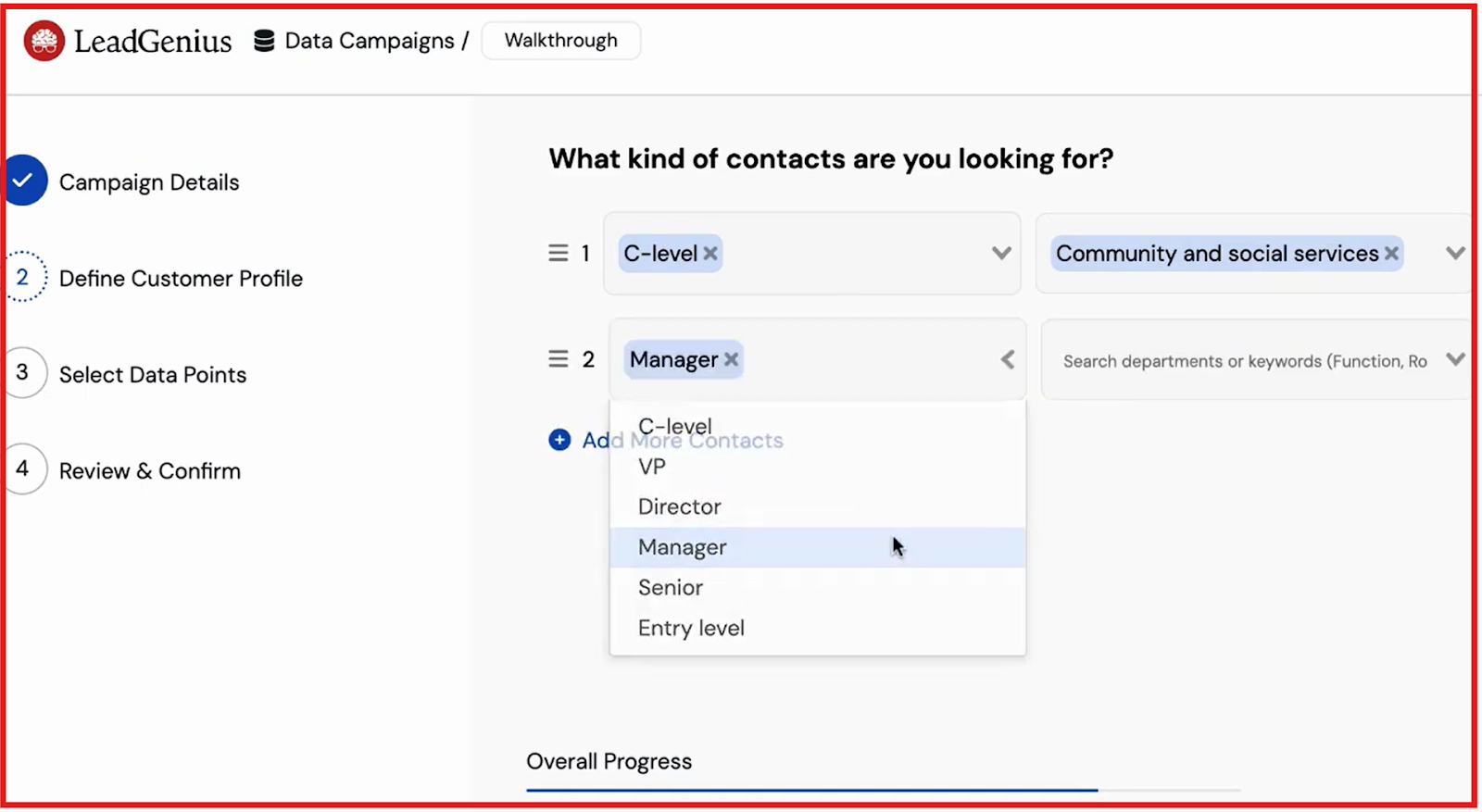
I start by defining my ICP and target accounts.
This includes:
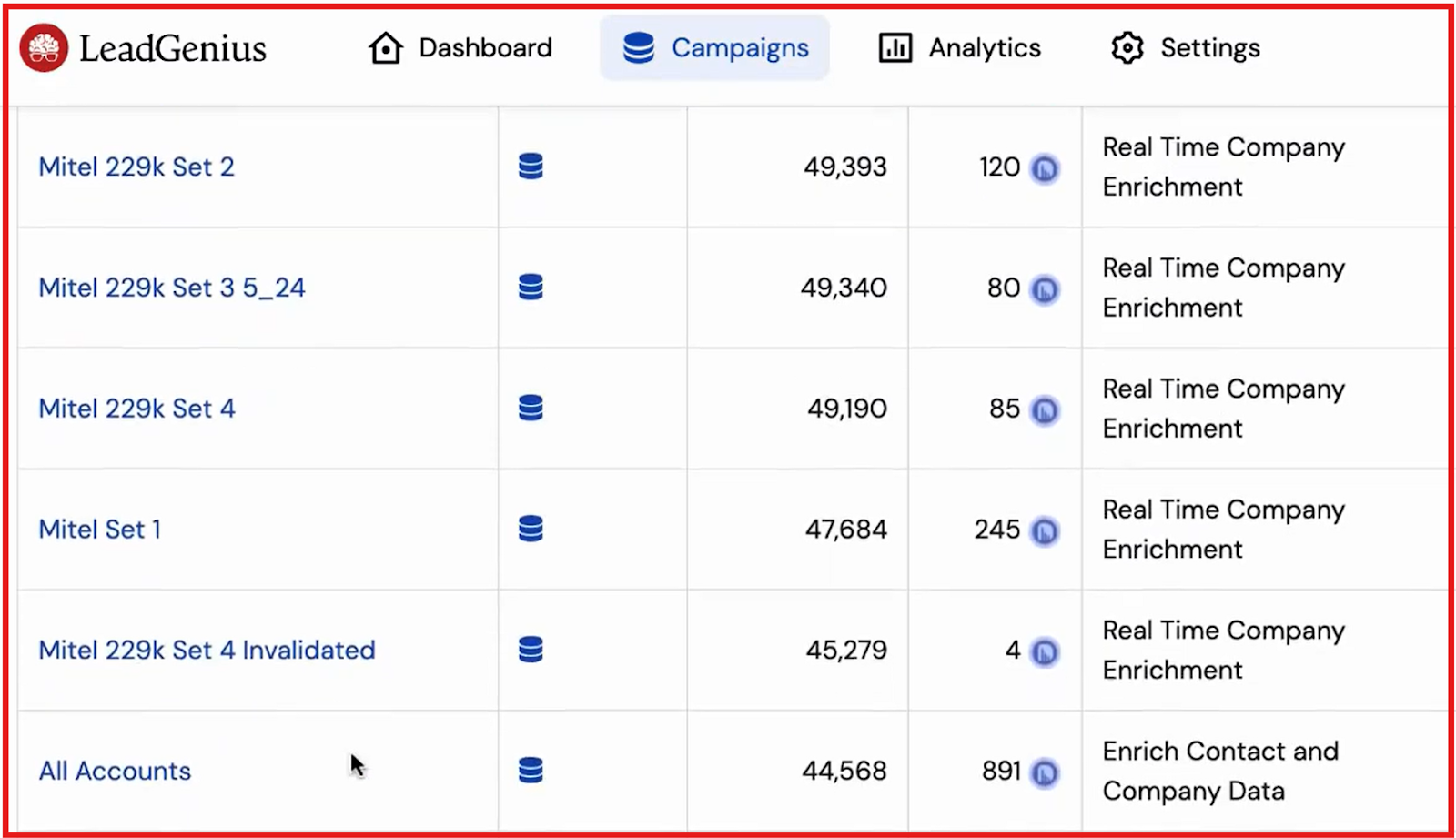
LeadGenius does not rely on a static database.
It sources contact data on demand based on my use case
AI scans large data sources.
Then human researchers refine the results.
After sourcing, the data is reviewed.
Human researchers check contacts using public sources.
This improves accuracy and relevance.
Once the data is ready, it is delivered.
It can be:
LeadGenius keeps data fresh over time.
It tracks:
This helps reach buyers when they are more likely to respond.
From my experience, LeadGenius works more like a data sourcing service than a tool.
I share what I need, and the data is built for me.
That improves accuracy, especially for hard-to-find contacts.
But it also means I cannot move fast or pull leads instantly.
So it fits better when the focus is precision, not speed.
Once I understood how LeadGenius works, the next thing I looked at was what it actually offers.
It is not just about contact data.
It focuses more on accuracy, coverage, and buyer context.
Here are the main features that stood out:
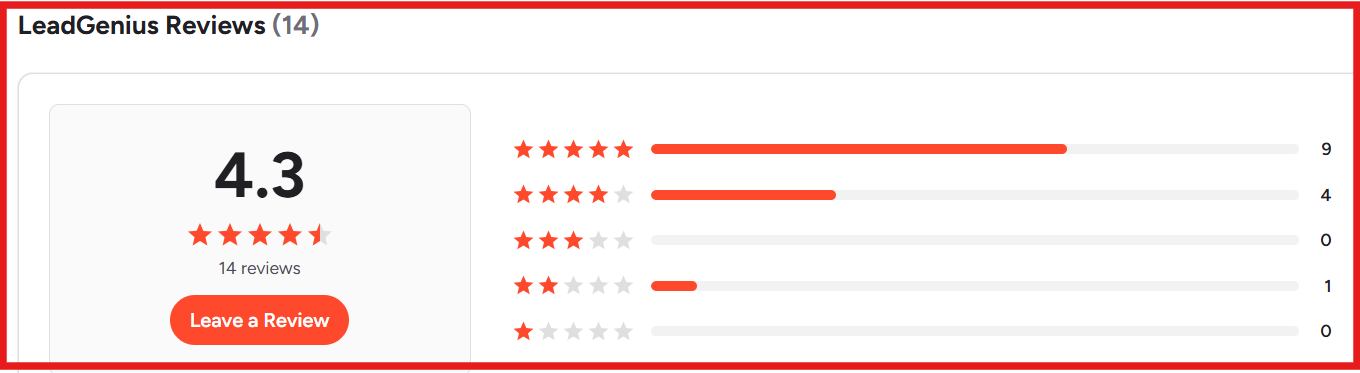
From what I found, LeadGenius is reliable, but not perfect.
It performs well in data accuracy and targeting because of AI + human research.
Many users also highlight strong support and strategy help.
At the same time, some leads can be:

So I still need to review the data before using it.
Overall, it is reliable for custom, high-quality data, but not ideal if I want instant, ready-to-use leads.
LeadGenius does not have fixed pricing.
It uses custom pricing based on your needs.
Pricing depends on:
There are no monthly plans or credits.
You need to talk to their team to get a quote.
Overall, it is expensive compared to standard lead tools.
And fits teams that need custom, high-quality data.
Before using LeadGenius, it is important to understand how it works.
From my experience, most tradeoffs come from its on-demand data model.
So while LeadGenius improves data quality, this approach can slow down teams that need fast, self-serve prospecting.
From what I saw, most users like the data quality and support.
They say the AI + human research helps find better contacts.

Some also mention the team helps with targeting and strategy.
But not everything is perfect.
Some users say leads can be outdated or not fully relevant.

A few also mention that the process feels slower than self-serve tools.
Overall, users trust the accuracy, but still review the data before using it.
From my experience, LeadGenius works well in specific cases.
But it is not for everyone.
If I need custom data for target accounts, it fits well.
It helps when I am missing contacts in key accounts.
It also works when I want to map full buying teams.
But if I want to search and export leads instantly, it is not the right fit.
It also does not work well when I need to build large lead lists quickly.
My take:
LeadGenius works well when I need custom data built for me.
But when I want to find leads and start outreach quickly, Leadsforge feels more practical.
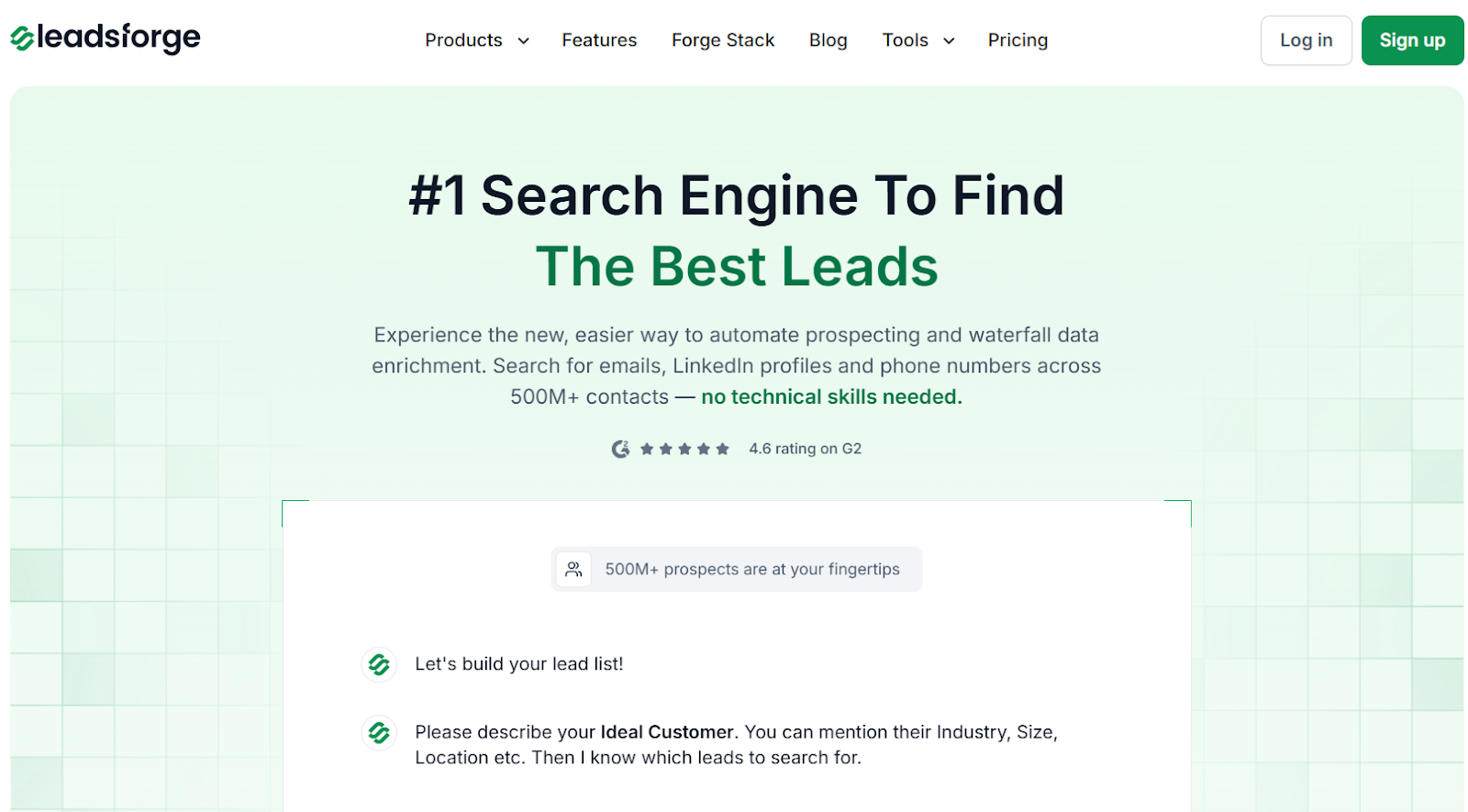
Leadsforge works like a search engine for B2B leads.
I describe my ideal customer in simple words, and it returns matching contacts.
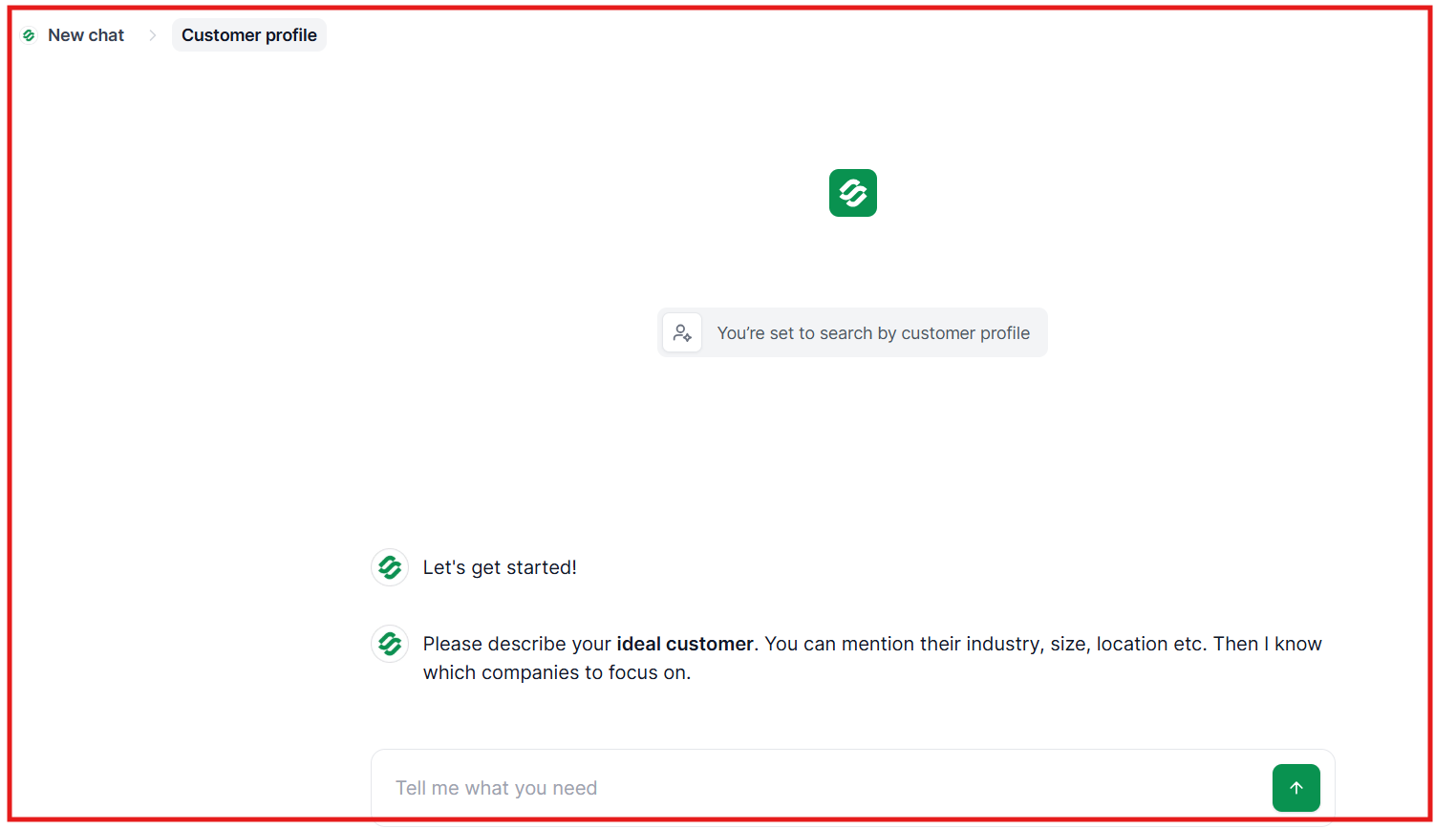
This includes emails, LinkedIn profiles, and phone numbers.
It connects multiple data sources in one place.
If one source does not return data, it checks others using waterfall enrichment.
I can also use features like:
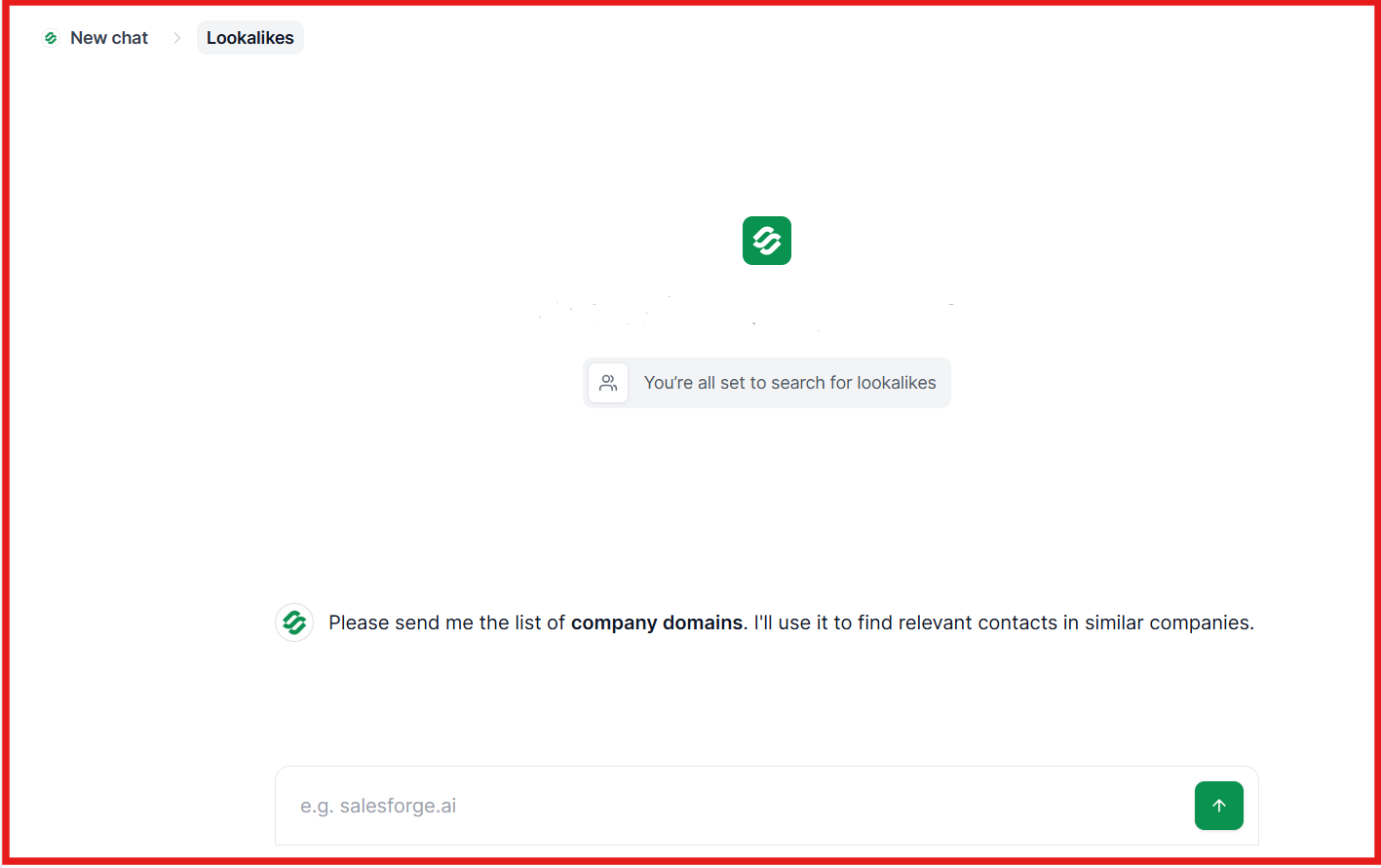
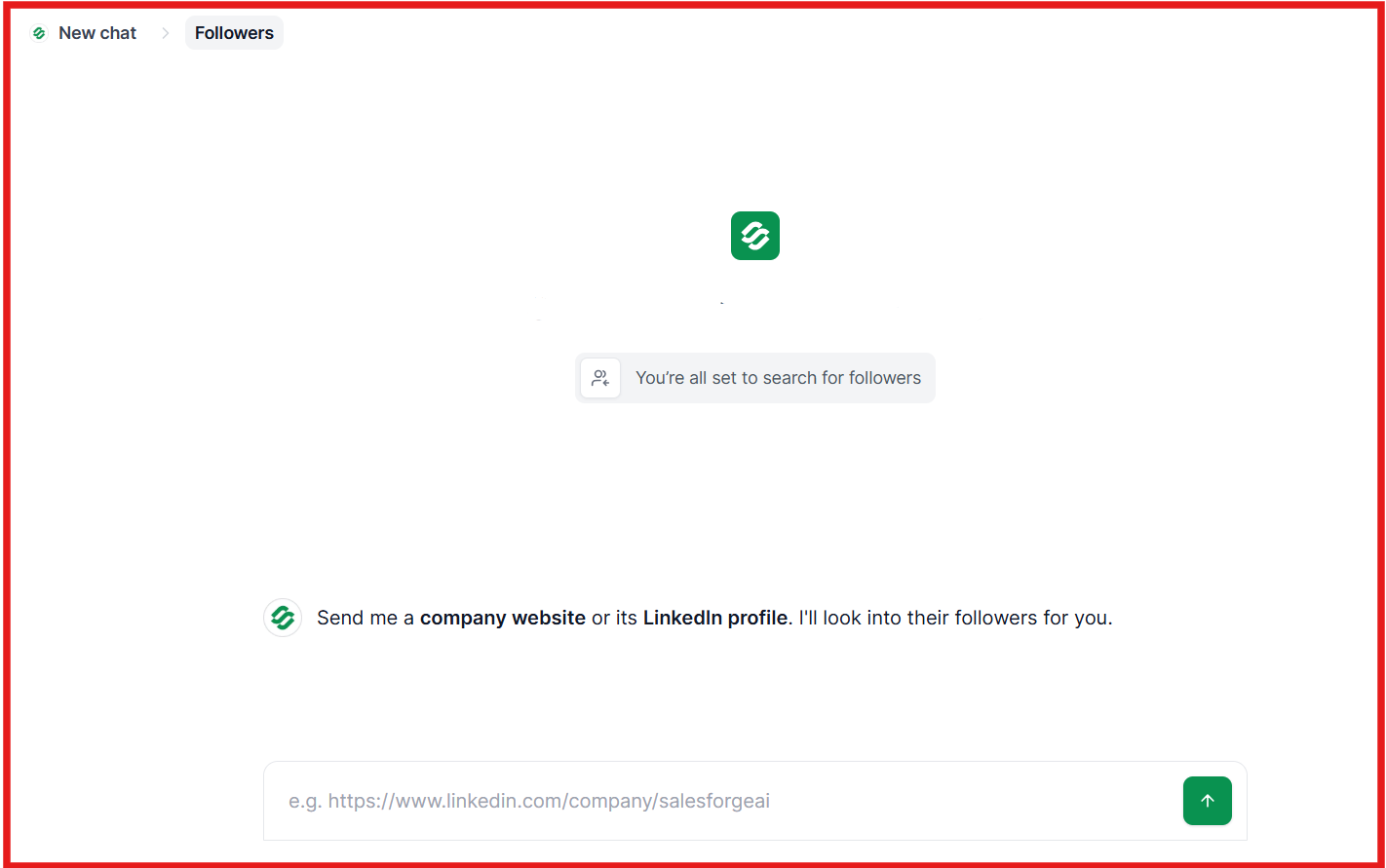
Once the list is ready, I can enrich and export immediately.
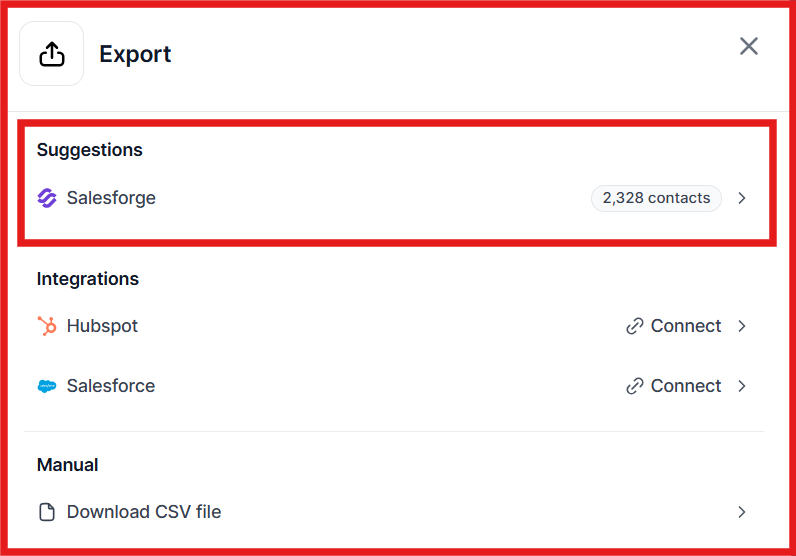
I can download it as a CSV or push it into Salesforge to start outreach.
From my experience, I use LeadGenius when I need custom, high-accuracy data.
But when I need to build lists fast and start outreach immediately, I use Leadsforge.
Enter your email to get a custom plan & stack recommendation for your business
Please check your mailbox in 5 minutes
From my testing, LeadGenius works when I already have a fixed list of target accounts.
I used it to find missing contacts inside those accounts that normal databases could not return.
That part is useful.
But it does not fit how I run outbound daily.
I could not search a new ICP, build a list, and launch a campaign in the same session.
Each request depends on their process, so I cannot move fast or test multiple angles.
So I use it only in one case:
I avoid it when I need to:
In my workflow, I need speed.
I describe my ICP in Leadsforge, get contacts with emails and LinkedIn profiles.
Then I push that list into Salesforge to start outreach.
That lets me go from idea to live campaign without delay.
If you want to test this workflow, you can try Leadsforge with free credits.
.jpg)

.jpg)

.jpg)